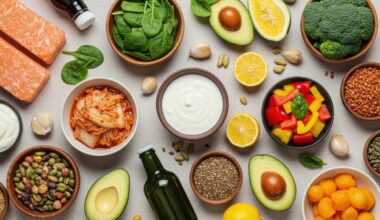

Nutrition Tips to Complement Your Gym Workout Group Classes
Nutrition plays a critical role in maximizing the benefits of your gym workout group classes. To see real progress, it’s essential not just to exercise but also to fuel your body properly. Maintaining a balanced diet with the right nutrients can enhance performance, recovery, and muscle building. Start by consuming a variety of foods from all food groups. Whole grains, lean proteins, healthy fats, fruits, and vegetables should form the foundation of your meals. Consistency in eating is just as important as the workouts themselves. Ensure you are eating enough to sustain your energy levels but not so much that it hinders your performance. Hydration also plays a significant role. Drinking sufficient water before, during, and after workouts can prevent fatigue and enhance recovery. Consider talking to a nutritionist to tailor an eating plan specific to your fitness goals. Small, frequent meals can also help keep your metabolism going and provide a steady source of energy. Always listen to your body and adjust your nutrition as needed, which can lead to beneficial changes in your fitness journey.
Another essential aspect of nutrition is timing your meals around your workout sessions. Consuming the right kind of food before your gym workout group classes can lead to improved performance. Aim to eat a small meal or snack that combines protein and carbohydrates an hour or two before exercise. This combination will provide you with the necessary fuel for your workouts. For example, a banana with peanut butter can offer quick energy while being easy on the stomach. Post-workout nutrition is equally crucial. After an intense session, your body needs to replenish glycogen stores and repair muscles. The ideal post-workout meal should also consist of protein and carbs. A protein shake combined with a piece of fruit is an excellent option, ensuring that your muscles recover effectively. If you are looking for more structured advice, consider meal prep strategies. They help in maintaining consistent nutrition while saving time during busy schedules. Engaging in group classes requires energy; thus, fueling your body appropriately allows you to engage fully and benefit from each session.
Incorporate Protein-Rich Foods
Protein is a cornerstone of any effective diet, especially for individuals engaging in gym workout group classes. Including adequate protein sources in your meals not only helps in muscle recovery but also builds strength over time. Foods such as eggs, chicken, lean meats, fish, legumes, and dairy products should be integral to your diet. These foods offer extensive amino acid profiles, which are essential for muscle repair and growth. Aim for a protein-rich meal after exercising. Consulting with a professional on the ideal amount of protein based on your weight and fitness level can also help in achieving your specific goals. Many nutritionists recommend consuming approximately 1.6 to 2.2 grams of protein per kilogram of body weight daily for those involved in strength training. Experimentation with different sources of protein can be beneficial, as some people may prefer plant-based options to animal products. Moreover, consider using protein supplements if you struggle to meet your protein intake naturally. They can effectively complement a balanced diet, particularly when you lead an active lifestyle.
Healthy fats should not be overlooked in your diet tailored to support gym workout group classes. Consuming dietary fats is vital for overall health and can even assist in the absorption of certain vitamins. Integrating sources of healthy fats into your meals is an excellent strategy for maintaining energy levels and supporting hormone production. Avocados, nuts, seeds, olive oil, and fatty fish are great choices that boost both health and nutrition. Aim to include these fats in moderation in your diet. Remember, while fats are essential, they also contain a high number of calories, which can lead to unwanted weight gain if not managed. Including healthy fats not only enriches your meals but can also provide long-lasting energy for your workouts. If you find it challenging to incorporate more fats into your meals, mixing nuts into your salads or using olive oil as a dressing can be seamless ways to enhance flavor and nutrition. Understanding the functionality of healthy fats in your diet can lead to better energy levels and overall performance.
Focus on Hydration
Often underestimated, effective hydration is a critical component of optimizing performance during your gym workout group classes. Proper hydration can significantly influence your overall workout intensity and your ability to recover afterward. Drinking water before, during, and after exercise helps maintain electrolyte balance and prevents the risk of dehydration. Aim to consume at least eight glasses of water a day, but increase these amounts based on your activity level and climate. It’s essential to listen to your body; signs of dehydration can include fatigue, dizziness, and muscle cramps. If you prefer flavored hydration, add slices of fruits or herbs to your water for a refreshing twist. In addition to water, sports drinks can be beneficial during extended workout sessions, replacing lost electrolytes. However, be mindful of sugar content in these beverages. Using a reusable water bottle during your workouts can serve as a reminder to stay hydrated. Establishing a consistent hydration routine can enhance your workout experience, boost your performance, and help with post-exercise recovery.
Meal prepping is a fantastic way to ensure that healthy eating aligns with your gym workout group classes. When you plan your meals ahead, it saves time and reduces the temptation to grab unhealthy snacks. Begin by selecting a day when you can dedicate some time to cooking meals for the week, focusing on well-balanced and portion-controlled options. Divide meals into containers for easy access throughout the week. Choose versatile ingredients that can be repurposed for different meals; for instance, grilled chicken can be used in salads, wraps, or alongside vegetables. Incorporating a variety of flavors, herbs, and spices can keep your meals enjoyable and satisfying. Additionally, consider preparing snacks in advance, such as cut vegetables and hummus or mixed nuts, to avoid unhealthy snacks between meals. Experiment with different recipes to find what works for you and align with your workout schedule. Having nutritious meals readily available can help maintain energy and improve focus during workouts, ultimately facilitating better results in your fitness journey.
Listen to Your Body
One of the most crucial aspects of nutrition and workouts is learning to listen to your body. Understanding hunger cues can significantly impact how effectively you exercise and recover. Never ignore signs of hunger, as they signal that your body needs fuel. If you regularly feel fatigued during workouts, consider reassessing your nutrition habits. An adequate intake of calories and nutrients is essential for optimal performance. If you are experiencing cravings, these may indicate nutrient deficiencies in your diet. Adjust your food intake to include a variety of foods to cover all vitamin and mineral needs. Learning to balance indulgences with healthier options is key; occasional treats won’t derail your progress if your overall diet is nutritious. Monitor your energy levels, mood, and performance as you make dietary adjustments. Consistency will help you uncover what precisely works best for your body, enhancing your gym workout group classes experience. Remember, nutrition is highly individual; as you evolve in your fitness journey, your nutritional needs will, as well, so stay attuned to your body’s signals for continued success.
Finally, remember the significance of working with professionals. Obtaining guidance from a nutritionist or dietitian specializing in sports nutrition can provide you with tailored advice essential for your gym workout group classes. They can assess your individual needs based on factors such as age, weight, goals, and activity levels. Customizing your nutrition plan can ensure that you get adequate energy and nutrients necessary to support your workouts. Professional advice can also keep you updated on new findings in sports nutrition, ensuring that your dietary strategies remain effective. They can help eliminate myths and misconceptions related to nutrition, helping you establish healthy habits. Overall, investing time in understanding nutrition can maximize the benefits of your gym workout group classes and bolster overall health. Taking small, actionable steps towards improving your diet while considering your workout schedule can yield significant results over time. In conclusion, staying informed and adaptable is vital for ensuring success on your fitness journey, so embrace nutrition as an integral part of your gym experience.