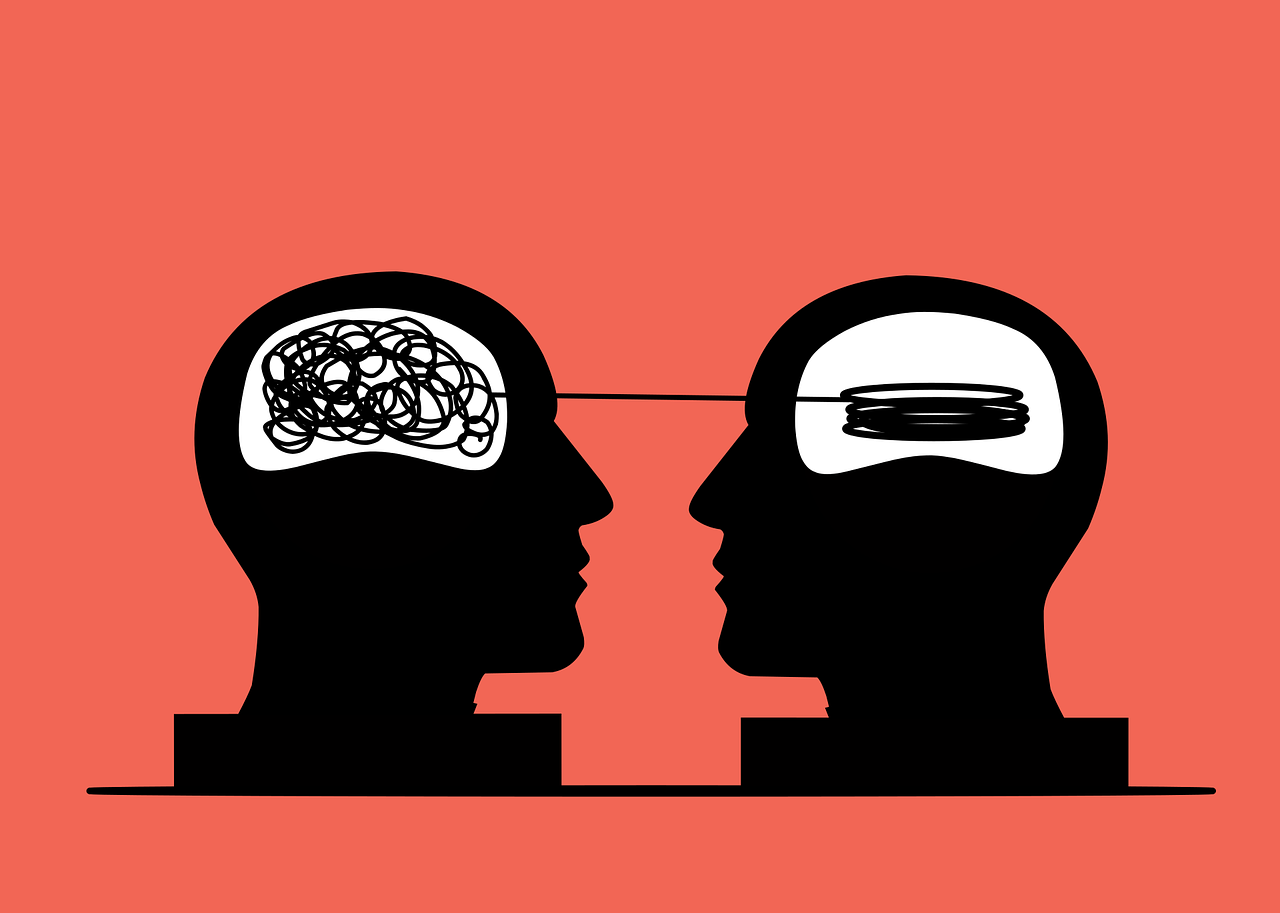

Integrating Mind-Body Practices in Therapy for Anxiety and Depression
The relationship between the mind and body significantly influences emotional health, particularly in individuals experiencing anxiety and depression. When these conditions manifest, they often affect both mental and physical well-being, creating a cycle of distress. Therapies utilizing mind-body practices, such as mindfulness meditation, yoga, and deep breathing, aim to create a balanced approach to mental health. By integrating these strategies into therapy, individuals can develop greater emotional resilience and physiological relaxation responses. Mindfulness practice, for instance, encourages awareness of the present moment, helping patients to cope with overwhelming feelings by fostering a sense of grounding. Through consistent engagement with these practices, patients often report reduced symptoms of anxiety and improvement in mood stability. Additionally, mind-body therapies help to address the physiological symptoms that accompany mental health challenges, such as elevated heart rates and muscle tension. Through technique-oriented therapeutic interventions, individuals can become more aware of their body responses during stressful situations and learn how to manage these reactions more effectively.
Mindfulness and Its Benefits
Mindfulness has gained popularity as an effective tool for managing anxiety and depression through shared practices that connect mind and body. This cognitive approach encourages individuals to focus on their thoughts and feelings without judgment, allowing them to acknowledge their mental state without becoming overwhelmed. Research indicates that regular mindfulness practice can lead to brain structure changes associated with improved emotional regulation. Engaging in mindfulness exercises helps individuals distance themselves from negative thinking patterns, thus empowering them to regain control over their mental landscape. Practicing techniques such as body scans and breath awareness can enhance self-awareness and promote a calming effect on the nervous system. Mindful movement practices like yoga integrate physical postures, breathing exercises, and meditation, offering a multipronged approach to mental wellness. Furthermore, studies have shown that incorporating mindfulness into therapy can lead to long-lasting improvements in mood and anxiety levels. Individuals practicing mindfulness often report heightened satisfaction with life, an increase in positive emotions, and improved coping mechanisms in challenging situations.
Yoga represents another powerful mind-body practice increasingly recommended for anxiety and depression treatment. By combining movement, breath control, and meditation, yoga fosters a holistic approach to mental health. It emphasizes the connection between physical postures and psychological well-being, allowing participants to become more attuned to their bodies and emotions. Various studies confirm that regular practice can reduce stress levels and promote emotional regulation. When individuals engage in yoga, they learn to enhance their body awareness and develop acceptance of their current emotional state. These techniques contribute to reduced symptoms of anxiety and depression by promoting relaxation. Specific yoga styles, such as Hatha or restorative yoga, focus on slower movements and breath-centered practices, emphasizing tranquility. Additionally, group classes provide social support, which can enhance the healing process. The incorporation of yoga into therapeutic settings can produce substantial benefits, such as improved mood, greater flexibility in stress response, and an increased sense of calm. Ultimately, yoga empowers individuals by equipping them with strategies to cope with life’s challenges while simultaneously nurturing physical health.
Deep Breathing Techniques
Deep breathing techniques are essential tools in the repertoire of mind-body strategies for managing anxiety and depression. By facilitating relaxation responses, these techniques help to counteract the physiological reactions produced by stress. Deep breathing exercises encourage slower, more intentional breath patterns, promoting a sense of tranquility and grounding. Techniques such as diaphragmatic breathing, box breathing, and 4-7-8 breathing can be taught in therapeutic environments to empower patients. Each method serves distinct purposes, whether calming an anxious mind or enhancing emotional awareness. Regular practice of deep breathing reduces the impact of anxiety triggers and fosters a more relaxed state of being. Furthermore, deep breathing can help lower blood pressure and heart rate, promoting physical comfort alongside psychological ease. When integrated into daily routines, breathing exercises can serve as potent anchors for patients to revert to during stress. Therapists can guide individuals in safely navigating their emotional landscapes through these calming techniques, allowing them greater agency in their mental health journey. Consequently, incorporating deep breathing into treatment not only addresses situational anxiety but also lays foundations for deep emotional healing.
Engaging in mind-body practices necessitates understanding and application while taking individual needs and preferences into account. This approach leads to the formulation of personalized therapeutic strategies. Practitioners and therapists working together can identify which mind-body techniques resonate most, allowing for tailored interventions that fit distinct lifestyles. For example, certain patients may thrive in structured environments, enjoying group classes, while others may prefer solitary practice. This underscores the necessity for therapists to cultivate openness and flexibility in their practice, allowing room for adjustments as patients evolve. Improvement can also stem from encouraging patients to keep a journal documenting their experiences with mind-body techniques, facilitating reflection and adjustment. Such documentation not only addresses progress but also reinforces self-awareness and agency in one’s healing journey. Although patients may initially struggle with implementation, consistency and support from their therapists can lead to profound enhancements in physical and emotional states. Ultimately, successful integration of these strategies cultivates a supportive therapeutic environment conducive to holistic healing.
Client Empowerment Through Mind-Body Connection
Empowering clients to explore and embrace the mind-body connection is crucial in fostering agency over their mental health. By encouraging self-exploration through various mind-body practices, clients may learn more about their triggers and coping mechanisms while developing practices that resonate with their unique needs. This empowerment through knowledge allows clients to take an active role in their well-being. They can recognize patterns in their thoughts and emotions while understanding the physiological manifestations linked to these experiences. Therapists nurturing this growth can help clients develop tailored coping strategies that promote emotional regulation. Providing resources such as workshops or guided sessions on mindfulness, yoga, and breathing techniques can further enhance clients’ knowledge and skills. Additionally, sharing success stories or strategies can inspire clients and foster hope during challenging times. Mind-body practices enable clients to feel more confident in their abilities to cope with anxiety and depression. By involving clients in the process of forming personalized plans for their mental health, healthcare professionals foster a sense of responsibility and self-efficacy, leading to increased overall satisfaction with their treatment and improved outcomes.
In conclusion, integrating mind-body practices into therapeutic approaches for anxiety and depression proves immensely beneficial. These practices address the interrelated dynamics between emotional well-being and physiological health, enhancing overall recovery. As clients engage with mindfulness, yoga, and deep breathing, they learn effective strategies for self-regulation and empowerment on their mental health journeys. This integration fosters greater resilience to stress and allows patients to navigate life’s challenges with more confidence. Additionally, therapists can create a more holistic healing environment by understanding patients’ unique responses to different mind-body practices. In doing so, mental health professionals promote balanced emotional health while equipping clients with lifelong tools for managing anxiety and depression. Ultimately, the mind-body connection exemplifies a compassionate approach to therapy, encouraging clients to harness their innate capacity for healing. Through therapy grounded in mind-body strategies, individuals can transcend their challenges, leading to improved emotional stability, physical health, and overall quality of life. Prioritizing this interconnectedness is vital in today’s mental health practice, paving the way for innovative approaches that benefit clients’ mental health and personal growth.