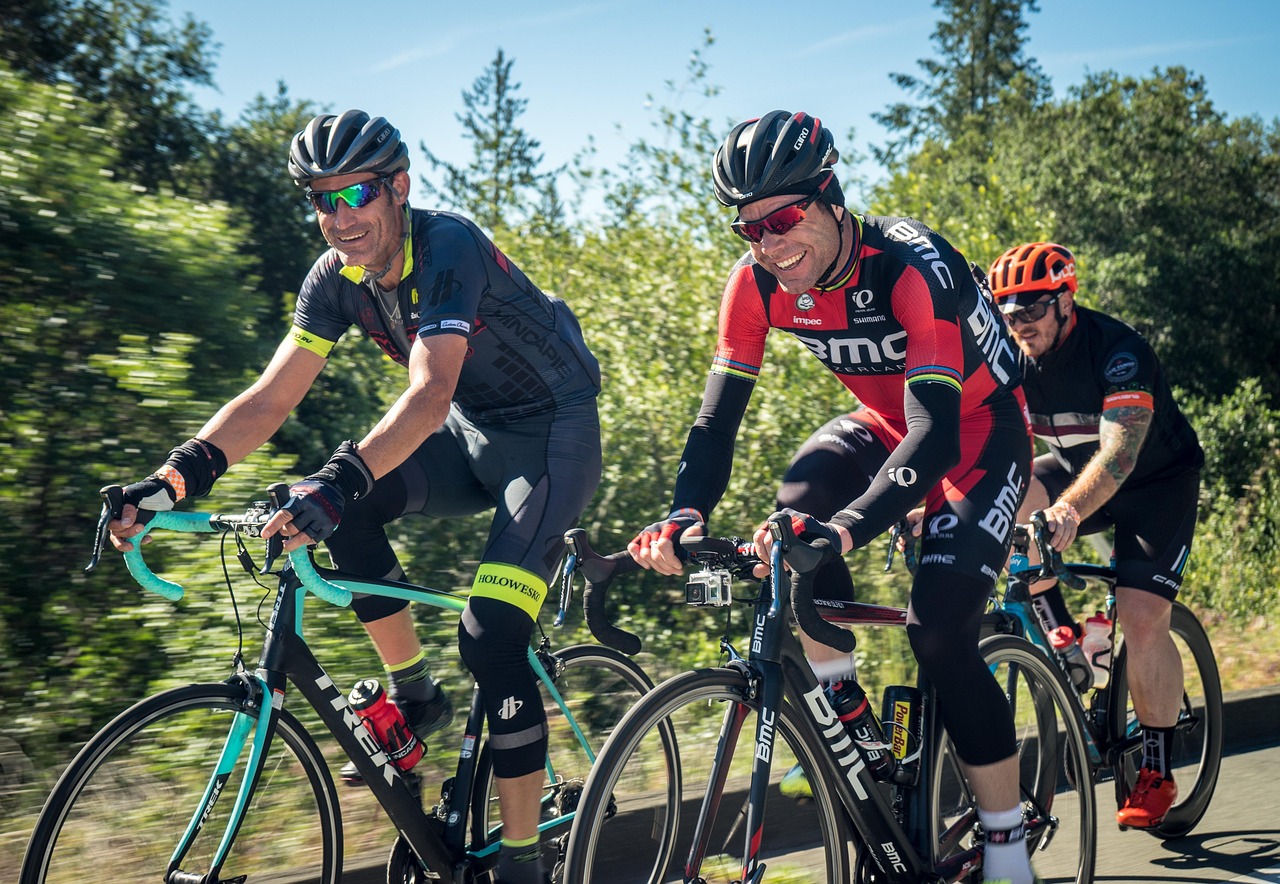

How to Prevent Common Injuries with Proper Safety Gear
Every cyclist should prioritize safety while riding. The right safety gear significantly reduces the risk of common injuries. Injuries like fractures or abrasions can be avoided with the proper equipment. First and foremost, a quality helmet is non-negotiable. It protects your head during falls or collisions. Additionally, padded cycling shorts provide comfort while riding longer distances, which can help prevent chafing and saddle sores. When it comes to visibility, wearing bright or reflective clothing is essential for safety. Always ensure your bike has functioning lights, especially when riding at night. Another crucial aspect is proper foot and shoe protection. Cycling shoes should be comfortable while providing adequate support for your feet. Lastly, consider investing in knee and elbow pads, particularly for beginners who may be prone to falls. Having these protective measures in place allows pedestrians and drivers to see you, while you feel secure and confident. With the proper safety gear selected, your focus will be on enjoying the ride rather than worrying about possible injuries. Protect yourself, and you’ll have a more enjoyable cycling experience without needless distractions from discomfort.
Importance of Investing in Quality Gear
Investing in high-quality safety gear is an integral part of biking. Many cyclists overlook the importance of this initial investment. It might seem tempting to spend less, but lower-quality gear tends to fail when you need it most. When selecting gear, ensure that it meets safety certification standards. This guarantees that the equipment has passed rigorous testing for performance and reliability. Additionally, well-made gear will last longer, providing better value over time, saving you from frequent replacements. Brands known for their quality often offer warranties or guarantees too, which can give you peace of mind. However, keep in mind that function should take precedence over fashion. Opt for designs that facilitate comfort and performance rather than purely aesthetic appeal. Many products allow for customization, so find what suits your needs best. Don’t forget about insulation or climate adaptation, particularly in extreme weather conditions. Investing in versatile gear that works for all seasons is beneficial in the long run. With reliable safety gear, your cycling experience can be safer and more enjoyable while minimizing potential risks of injury on the road.
One of the most frequently ignored aspects of cycling is maintaining proper tire health. Bicycle tires are crucial in providing stable support and grip during rides. Worn-out or improperly inflated tires increase the risk of accidents, leading to injuries or crashes. Regularly check tire pressure to ensure optimal performance; refer to the manufacturer’s guidelines for correct levels. A general rule is that properly inflated tires improve control and reduce the chances of a blowout. Additionally, inspect your tires for any visible defects, such as cuts, punctures, or worn-out tread. Consider replacing tires at least once a year or sooner if you ride frequently. Tire puncture kits can be a lifesaver and are easy to carry on bike rides. Bulky or rolled-up kits should fit easily into your travel bag without much hassle. These kits often include patches and inflation methods, helping you address issues promptly if they arise. Also, make sure to practice changing a tire at home, so you’re equipped when out on the road. A little preparation can lead to safe riding and greatly minimize potential injuries from tire-related issues.
Clothing Choices Matters
Your clothing significantly impacts your cycling safety and comfort. Breathable yet protective fabrics should be your top choice while cycling. Fabrics engineered for moisture-wicking are especially advantageous, keeping you dry and comfortable on long rides. Avoid cotton, as it retains sweat and becomes heavy. Instead, consider investing in specialized cycling apparel designed to provide aerodynamic efficiency and comfort. The right fit is essential; ensure clothes aren’t too loose or too tight, which can hinder your movements or cause chafing. Additionally, layered clothing options allow you to adapt quickly to environmental changes and temperature fluctuations. You might also want to consider wearing compression garments, which enhance circulation and reduce muscle fatigue during long rides. Lastly, keep an eye on sun protection; cycling apparel with UV protection or a simple sunscreen application is essential to prevent sunburn. Cycling gloves can also enhance grip and protect your hands from the elements. Functional and protective clothing can enhance your cycling experience. Having the right clothing choices makes all the difference when transitioning from city streets to trails.
Choosing suitable accessories enhances both your ride and safety. An effective accessory lineup should include a reliable bike lock, particularly if you park outdoors frequently. Ensuring your bike remains secure is essential to prevent theft and provides peace of mind. A high-quality multi-tool can help you make on-the-go adjustments or repairs, preventing breakdowns during rides. Lights and reflectors improve visibility, especially at dusk or dawn. The more visible you are, the better chance of being seen and avoiding accidents with vehicles. Furthermore, consider a first-aid kit designed for cyclists. These kits can typically address minor injuries or punctures that might occur on trips. They can easily fit into your bag without much hassle. A well-equipped first-aid kit promotes safe cycling, allowing you to handle emergencies more confidently. Consider also carrying hydration packs that allow you to stay hydrated on longer rides without needing breaks to grab a water bottle. Each accessory plays a vital role in ensuring your safety while enhancing your overall riding experience. Choose wisely to boost both enjoyment and security during your cycling adventures.
Understanding the Risks
Recognizing potential hazards is a crucial part of cycling safely. Cyclists often share dangerous roads with cars, pedestrians, and other cyclists. To minimize injuries, understanding how to react in various situations is essential. Keeping a safe distance from parked cars is crucial to avoid dooring accidents. Always be aware of your surroundings, checking for pedestrians, cyclists, and incoming traffic regularly. Use hand signals to communicate your intentions with others on the road. When riding in groups, maintaining proper spacing is crucial; this prevents collisions and unexpected falls. Furthermore, be cautious of road conditions, such as potholes or wet surfaces, which can lead to slips or crashes. Riding in inclement weather can exponentially increase risks, so adapt accordingly. Slow down and maintain visibility during fog, rain, or snow. Familiarize yourself with local traffic laws regarding cycling; understanding the regulations can help prevent accidents and enhance safety. Developing defensive cycling skills—like anticipating the actions of both motorists and pedestrians—can greatly reduce injury risk. Knowledge of potential road dangers and appropriate responses can significantly enhance your cycling safety and mitigate common injuries.
Finally, regular maintenance of your bike is essential for safe riding. A well-maintained bike increases reliability and minimizes the chances of accidents due to equipment failure. Start with routine checks on the brakes, gears, and chains; any issues should be addressed immediately. Regular brake inspection can prevent crashes caused by brake failure during high-speed descents or narrow turns. Additionally, keeping the chain lubricated reduces wear and enhances overall performance. Pay attention to tire maintenance; tires with low pressure or defects can lead to dangerous riding conditions. An important part of your cycling regimen should involve testing the bike’s responsiveness before each ride. Taking a few moments to ensure everything is in working order can save you from accidents. Maintain a clean bike free from dirt and grime, ensuring parts function smoothly. Furthermore, stay informed about advancements in bike technology that could enhance safety features or improve handling. Establishing a maintenance schedule helps keep your bike in top condition while preventing injuries from faulty equipment. Regular upkeep guarantees enjoyable, safe rides throughout the entire cycling season.
With the knowledge and investment in proper gear and maintenance established, cyclists can significantly reduce their injury risks. Understanding how to select personal protective gear tailored to your riding preferences is essential to ensure maximum safety. The gear often reflects the type of cycling one participates in, be it mountain biking, commuting, or long-distance cycling. Each discipline has specific protective equipment designed to suit its unique challenges. Implementing appropriate cycling safety practices maximizes the advantages of that gear, leading to safer cycling experiences for everyone involved. Finally, incorporate all aspects of cycling safety for both enjoyment and effectively protecting yourself and others. When you invest in quality, stay informed, and prioritize safety, you pave the way for enjoyable rides while preventing injuries, enhancing your overall cycling journey. From crucial safety gear, clothing choices, and accessories to vigilant riding practices, every factor plays a role in becoming a safer cyclist. By committing to these practices, cyclists not only enjoy their rides but also set a positive example for the cycling community. Thus, prioritizing safety gear and education is imperative in fostering a responsible and secure cycling culture that benefits everyone.