
How Sleep Deprivation Affects Reaction Time in Sports
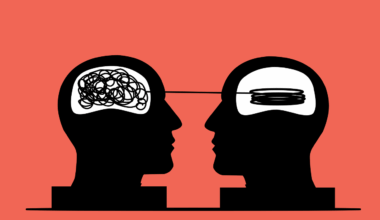
Sleep is crucial for athletes, playing a vital role in their overall performance and recovery. Sleep deprivation can lead to several cognitive impairments, significantly beyond physical fatigue. One of the primary areas affected is reaction time, an essential component in almost every sport. Reaction time is the duration it takes for an athlete to respond to a stimulus. Studies show that a lack of sufficient sleep markedly increases reaction times, adversely affecting competitions when fractions of a second can determine success or failure. Athletes may find their motor skills diminished as sleep deprivation causes disruptions in coordination, which is vital for achieving optimal performance. Consequently, this decline can hinder an athlete’s ability to leverage their training effectively, thus increasing the risk of underperformance during critical events. Given these factors, ensuring proper sleep hygiene is invaluable. Athletes are encouraged to aim for 7-9 hours of quality sleep each night, tailored to their individual needs and schedules. Balancing training and rest can lead to improved reaction times, allowing them to perform with better coordination. It is critical for athletes to prioritize sleep for enhanced sports performance.
Multiple studies highlight that the effects of sleep deprivation extend to cognitive functions, increasing the likelihood of errors. Research indicates that athletes who miss out on sleep struggle with multitasking and decision-making during competition. Reduction in sleep negatively impacts information processing, which is modulated by cognitive resources. Consequently, athletes experience heightened reaction times due to impairments in focused attention and tracking speed. When athletes are fatigued, they may also suffer from slowed thought processes, adversely affecting tactical awareness. Sports requiring rapid reflexes, such as soccer or basketball, can see athletes experience changes that hinder their recognition patterns. As a result, this not only leads to potential losses in games but also puts the safety of players at risk, with fatigued athletes more likely to sustain injuries. Without proper recovery, the risk of overtraining increases as athletes might struggle to gauge their performance accurately. Those facing chronic sleep deprivation can experience fatigue-induced declines, making it essential to monitor sleep patterns. This will ensure athletes are both mentally sharp and physically ready to perform at their best when it counts the most.
Physiological Effects of Sleep Deprivation
In addition to cognitive impairment, sleep deprivation wreaks havoc on physiological processes vital for athletic performance. Hormonal fluctuations arise during inadequate sleep, impacting growth hormone release and testosterone levels. Such hormonal changes can lead to decreased strength and endurance, both essential in sports. Athletes may find themselves lacking energy, adversely affecting their capacity to maintain peak performance levels over time. When physiological recovery is impaired due to poor sleep, muscles become more susceptible to soreness and fatigue, ultimately hindering practice sessions and competitions. This cycle of poor recovery highlights the necessity of optimizing sleep routines to maintain energy levels. The restoration periods that occur during deep sleep are crucial for muscle repair and growth, as they facilitate protein synthesis. In essence, sleep acts as an anabolic state for the body, allowing recovery to take place. Long term sleep deficiencies can lead to chronic fatigue, and this must be avoided for sustained performance. Ultimately, recognizing the importance of sleep in the training cycle can help athletes gain a competitive edge in their respective sports by ensuring they take advantage of every recovery opportunity.
Moreover, sleep quality significantly influences the body’s recovery capability, yet this aspect is often overlooked. Athletes might focus solely on sleep duration, unaware that the quality of their sleep is equally crucial. Interruptions during the sleep cycle can prevent the body from reaching optimal restorative stages required for recovery. Sleep disturbances caused by anxiety or environmental factors, such as excessive noise or discomfort, can impact an athlete’s performance the next day. Quality sleep supports vital processes, including memory consolidation, essential for skill retention and reacquisition. It is imperative that athletes incorporate strategies to optimize their sleep environment. Simple changes, like maintaining a dark and cool room or implementing evening routines, can lead to improved sleep quality. Engaging in restorative practices, such as mindfulness meditation, can further support relaxation, leading to falling asleep faster and improving overall sleep experiences. These practices enhance both physical recovery and cognitive refreshment. By addressing sleep quality, athletes can leverage better mental and physical states, allowing them to approach training and competitions with heightened responsiveness and minimized fatigue.
Recommendations for Better Sleep
Apart from creating an ideal sleep environment, athletes should integrate specific routines to foster better sleep habits. Establishing a consistent sleep schedule promotes a healthier circadian rhythm, encouraging the body to anticipate sleep. Additionally, reducing exposure to screens at least an hour before bedtime can improve melatonin production. This hormone, essential for regulating sleep, is negatively affected by blue light emitted from devices. Athletes might also benefit from avoiding caffeine and heavy meals before bedtime, which can disrupt the sleep cycle. Incorporating relaxation techniques, such as deep breathing or stretching, can alleviate pre-sleep anxiety and prepare the body for rest. Hydration must be balanced to avoid nighttime awakenings. Moreover, light exposure during daytime hours helps regulate the body’s internal clock, ensuring that sleep is more restful. Athletes must prioritize their sleep as a key component of their training regimen. Sleep should not be viewed merely as downtime; it is an essential period for recovery and performance enhancement. By adopting these practices, athletes can enhance their reaction times, ultimately improving their athletic performance.
Collectively, these recommendations highlight the importance of a comprehensive approach toward enhancing sleep quality. Athletes need to understand the profound connection between quality sleep, mental clarity, and athletic performance. By improving sleep habits, they foster better focus during high-stress situations, thereby enabling quicker reaction times. As sports increasingly embrace scientific advancements, recognizing sleep’s role has become increasingly significant. Professional programs and sports organizations are beginning to integrate sleep education into their training systems. Athletes are encouraged to maintain sleep diaries, tracking their patterns and quality. This helps highlight correlations between sleep and performance outcomes. Access to sleep monitoring technologies can further enhance practices. Perhaps most importantly, fostering discussions surrounding sleep among coaches, trainers, and sports scientists elevates awareness in supportive environments. Promoting proper sleep habits builds a culture centered around excellence and long-term success. Overall, enhancing awareness concerning the critical implications of sleep will lead to improved performance results across sporting disciplines. In doing so, athletes can appreciate the value of adequate restorative sleep as a game-changing factor in competitive sports.
Conclusion
As we conclude, it’s clear that sleep deprivation considerably impacts reaction time in sports, leading to potential declines in performance. Athletes must prioritize sleep and view it as essential to their success rather than merely a luxury or afterthought. With sleep being paramount for optimal recovery, athletes should take actionable steps to improve both sleep duration and quality. Building healthy habits, such as creating conducive sleeping environments and sustaining regular schedules, can lead to enhanced performance outcomes across the board. The cumulative evidence emphasizes that the value of sleep cannot be overstated in athletic preparation. When athletes are well-rested both physically and mentally, they’re poised to respond quickly in high-pressure situations. The connection between cognitive capabilities, reaction times, and sleep showcases the importance of ensuring adequate rest. As the sports industry evolves with new insights into performance enhancement, understanding sleep’s impact becomes invaluable for achieving excellence. Ultimately, prioritizing adequate sleep can empower athletes to reach their maximum potential, creating new standards in performance. By tackling sleep issues, athletes can enhance their gameplay, making informed choices that positively affect their careers and outcomes.
In pursuit of athletic excellence, one aspect must not be ignored: sleep. The relationship between sleep duration, quality, and sports performance is fundamental. Understanding the detrimental effects of sleep deprivation on reaction time is essential not only for personal growth but also for team success. By considering sleep as part of their training regimen, athletes can achieve improved outcomes in their sports discipline. In an increasingly competitive landscape, focusing on holistic approaches to performance can lead to groundbreaking discoveries and advancements. Embracing the significance of sleep allows athletes to unlock the vital potential resting within, driving them toward unparalleled heights in their sporting careers.