
How Hydration Influences Post-Workout Sleep Quality
Hydration is crucial for overall health, particularly after vigorous exercise. When engaging in physical activities, your body loses fluids through sweat, leading to potential dehydration. This dehydration can severely affect recovery and sleep quality, which are both essential for optimal performance. Post-workout hydration helps replenish lost electrolytes and balances the body’s temperature. It also aids in reducing fatigue, which can be compounded by a lack of proper hydration. Maintaining proper hydration levels also supports metabolic processes, which are amplified after exercise. While many focus on nutritional intake post-workout, neglecting hydration can undermine overall recovery efforts. The correct hydration strategy typically includes consuming fluids containing electrolytes, such as sports drinks or coconut water, which provide essential nutrients. Moreover, ensuring you’re adequately hydrated before bed can lead to deeper, more restful sleep. Notably, good sleep hygiene, when combined with proper hydration, enhances muscle recovery, mental clarity, and performance in subsequent training sessions. Therefore, it’s essential to make hydration a priority in your post-workout routine for better recovery and quality sleep.
The Role of Electrolytes in Recovery
Electrolytes, such as sodium, potassium, and magnesium, play a vital role in maintaining hydration and supporting recovery after exercise. They help retain water in the body and prevent muscle cramps during recovery. When you exercise, especially in hotter conditions, you deplete these essential minerals through sweat. Consequently, the reintroduction of electrolytes becomes essential for post-workout nutrition. Consuming fluids rich in electrolytes not only helps with hydration but also serves to balance bodily fluids, which is critical for effective cellular function. For optimal recovery, these minerals can be obtained through various food items and drinks like bananas, coconut water, or specialized electrolyte drinks. Furthermore, an imbalance in electrolytes can lead to fatigue and decreased sleep quality, as muscles become less responsive. To ensure a comprehensive recovery protocol, you should integrate electrolyte-rich drinks into your post-workout regimen. Most importantly, athletes should be aware of their specific electrolyte needs and how varying levels of exertion impact their consumption levels. By doing so, proper hydration strategies can allow for improved sleep quality after a workout, facilitating better muscle repair and growth.
One aspect that often gets overlooked is timing concerning hydration after workouts. Drinking adequate fluids promptly after exercise can significantly affect how fast you recover and how well you sleep. It is generally recommended to replenish fluids within 30 minutes following an intense workout. During this period, your body’s ability to absorb nutrients and fluids is heightened, making your timing key for effective recovery. Moreover, pairing your post-workout drinks with protein can yield even better results in terms of muscle recovery. Some athletes opt for protein shakes that come mixed with electrolytes, which makes hydration easier and more efficient. However, care should be taken to avoid overly sugary drinks that might lead to an energy crash later on. Establishing a hydration routine can streamline the recovery process, ensuring that you consistently meet your water and electrolyte needs. To facilitate this, you can keep water bottles accessible or set reminders on your smartphone to encourage regular hydration. Formulating this habit can be incredibly beneficial in mitigating dehydration effects that can compromise both sleep quality and overall recovery.
Signs of Dehydration
Being aware of dehydration symptoms is important for managing hydration effectively after workouts. Common signs include excessive thirst, dark urine, dry mouth, fatigue, and headaches. If you notice these symptoms, it may indicate that your body is craving fluids to restore balance. Monitoring your urine color can serve as a quick gauge for hydration levels; ideally, it should be light yellow. When hydration is neglected, not only can physical performance suffer, but sleep quality can also deteriorate. In fact, chronic dehydration can lead to longer-term issues such as insomnia or disrupted sleep patterns, as your body works harder to recover without sufficient fluids. The symptoms of dehydration can also be mistaken for fatigue or muscle soreness, which can delay effective post-workout recovery. You should aim to drink fluids consistently throughout the day, especially before, during, and after exercises. Using tools like hydration trackers can keep you accountable and aware of your hydration habits. Ultimately, addressing dehydration promptly can lead to notable improvements in sleep quality, enhancing recovery through restful sleep and thus better overall performance.
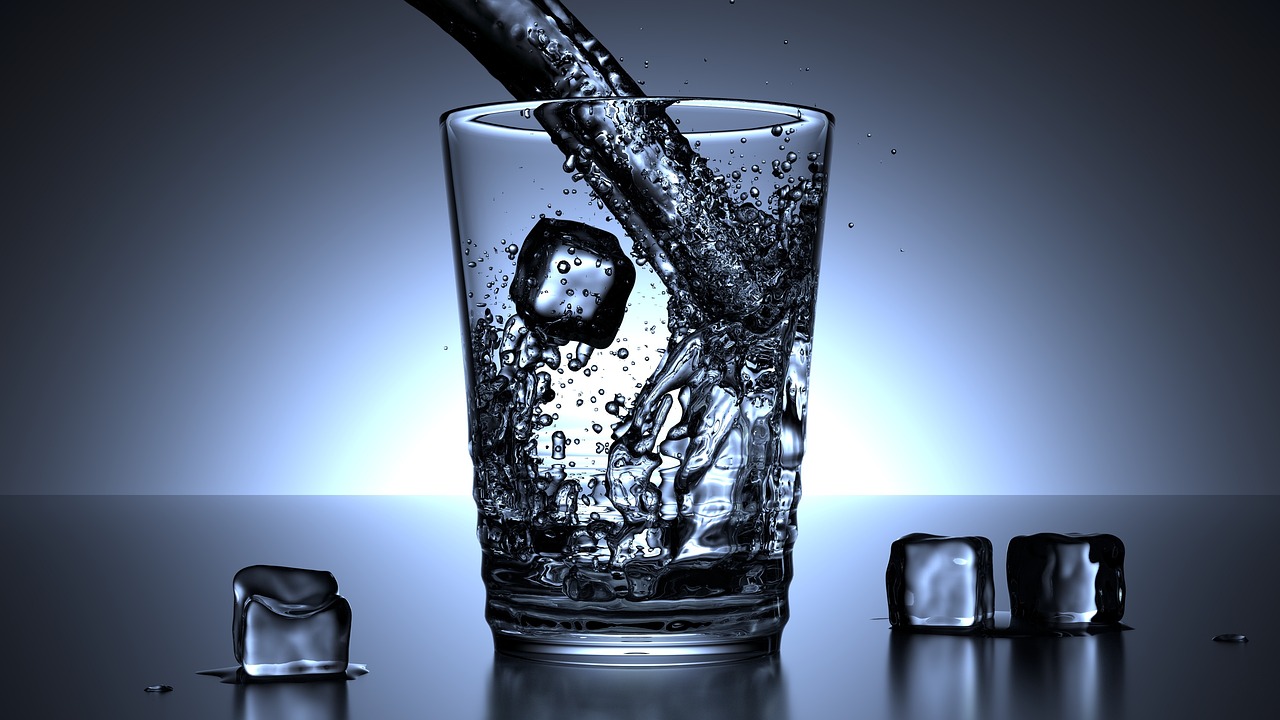
Additionally, the temperature of the beverages you consume for hydration can impact recovery and sleep. Studies suggest that cool or room temperature fluids are often more easily absorbed by the body, aiding in quicker recovery. Drinking ice-cold beverages might feel refreshing, especially post-exercise, but they can lead to gastrointestinal discomfort for some individuals, which could potentially disrupt sleep. Conversely, warm fluids like herbal teas not only provide hydration but also promote relaxation, making them an excellent pre-sleep choice. For post-workout hydration, using drinks that are both hydrating and soothing can enhance muscle recovery while preparing your body for a restful night. Some athletes enjoy broths or electrolyte-infused teas, both of which can act as calming and hydrating options. Ultimately, you should listen to your own body to find the best temperature for your hydration needs after workouts. Tailoring your post-exercise hydration strategy with the right fluid temperatures can contribute enormously to restful sleep, as it aids in recovery and overall physical well-being.
Incorporating Hydration into Your Routine
Integrating hydration into your post-workout routine requires a structured approach to reap its full benefits. You can start by setting hydration goals that align with your exercise intensity and duration. For example, if you’re engaged in high-intensity training sessions, you’ll need more fluids to compensate for higher sweat loss. Additionally, consider using hydration apps that allow you to log fluid intake and track electrolyte levels, making it easier to see how well you’re rehydrating. Proactively planning meals and beverages around workout schedules can also promote effective hydration. Pairing water with snacks rich in healthy fats and proteins can help in recovery while also maintaining hydration levels. Recipes involving fruits, veggies, nuts, and yogurt can offer both hydration and nutritional support. Consistency remains key; therefore, establishing a habit of drinking before you feel thirsty will help in maintaining steady hydration levels. By creating a comprehensive hydration plan, you’ll inevitably notice improvements in your physical recovery and subsequent sleep quality, driving you towards achieving your fitness goals successfully.
Finally, understanding the individual factors that can influence hydration needs can lead to more effective strategies post-exercise. A person’s body size, sweat rate, climate, and exercise duration can all dictate how much fluid intake is necessary. For instance, heavier individuals or those exercising in hot, humid environments may require significantly more fluids to maintain hydration. On average, athletes are advised to drink 16-24 ounces of fluids for every hour of intense activity, but this varies widely based on individual circumstances. Furthermore, personal preferences regarding types of fluids and how they impact recovery should not be ignored. You might discover that specific beverages or hydration strategies work better for your body, allowing for customized approaches. That said, always pay attention to how your body reacts to different post-workout hydration methods. Tailoring your hydration to your unique needs will yield better sleep quality, fostering efficient recovery processes. Thus, prioritizing personalized hydration strategies can greatly enhance your recovery journey, effectively marrying hydration practices with quality sleep.