
Understanding Communication Barriers
Adaptive fitness training often faces numerous communication barriers that can impede effectiveness. Individuals with disabilities may rely on various communication methods depending on their capabilities. This diversity can create confusion among trainers and participants, affecting the quality of interactions. Instructors must be keenly aware of these differences to adapt effectively. Moreover, those with sensory impairments, such as hearing loss, may not access auditory cues and instructions. Visual communication aids, like gestures and written instructions, become vital. There also exist cognitive disabilities that make processing verbal information challenging. Tailoring communication to each individual’s needs helps open the door to meaningful engagement. Techniques include using simple language, clear instructions, and assistive technologies. Facilitating communication ensures everyone understands the workouts effectively, significantly improving the training experience. Moreover, fostering an environment of openness encourages participants to express their needs and preferences, further informing trainers on what works best. In this setting, feedback loops can empower participants, making sessions more proactive and responsive. Trainers who prioritize understanding their athletes foster deeper trust and respect, ensuring a supportive training environment.
Non-Verbal Communication Techniques
Non-verbal communication techniques can be especially useful in adaptive fitness training sessions. Trainers can utilize body language, facial expressions, and eye contact to promote understanding among participants. For instance, using enthusiastic gestures can help convey excitement and motivate individuals who may not fully grasp spoken instructions. Visual clues, such as demonstration and sign language, can bridge gaps in communication effectively. Moreover, personalizing these non-verbal methods to reflect regional cultural variations enhances clarity. It’s also essential trainers communicate patience and empathy through non-verbal cues. This creates an accepting atmosphere that allows participants to feel comfortable expressing difficulties. Building a connection through consistent eye contact while actively listening exemplifies respect for the participants. The use of assistive technologies, like communication boards or apps, can further streamline the process, ensuring each athlete feels included. Trainers can also collaborate closely with caregivers and family members to refine these techniques further. This collective approach not only empowers participants but also builds a community around fitness activities. Engaging in adaptive fitness training goes beyond physical health; it’s about fostering communication channels that uphold dignity and inclusiveness.
Inclusion Strategies for Effective Communication
Creating inclusion strategies for effective communication is essential in adaptive fitness training. Fitness trainers should strive to adapt their communication style not just for one individual but for diverse groups simultaneously. Recognizing the diverse needs allows trainers to formulate strategies that foster a better understanding among participants. Utilizing multiple formats for providing information, such as audio, video, and tactile elements, accommodates varying levels of comprehension. Sharing fitness objectives visually and verbally can help reduce misunderstandings and provide clarity. Group activities also benefit from buddy systems, where participants help each other. Furthermore, seeking regular feedback directly from participants can catalyze improvements in training sessions. Continuous assessment of communication approaches ensures their effectiveness. Trainers can ask open-ended questions to assess comprehension and allow for personal expressions from athletes. Establishing regular check-ins helps monitor the participants’ comfort levels regarding communication methods. Incorporating technology, like apps for real-time translation or instant messaging, can aid communication for those needing additional assistance. Ultimately, these inclusion strategies can enhance trust, making fitness sessions interactive and fulfilling, where everyone feels heard and valued.
Utilizing Technology for Better Communication
Technology has the potential to overcome many communication barriers in adaptive fitness settings. Various tools and applications offer solutions for individuals with diverse communication needs. For instance, smartphone apps designed for individuals with hearing impairments can convert spoken language into written text in real-time. Such advancements ensure everyone can follow instructions accurately without feeling excluded. Furthermore, visual illustrations of workouts via video platforms provide clarity, accommodating various learning styles. Additionally, wearable devices can help track fitness progress and share results visually with trainers, thus enhancing communication regarding personal goals. Social media and community forums can also foster support networks among participants, enabling shared experiences. These platforms allow interaction outside of training sessions, where individuals can engage with others facing similar challenges. Importantly, adaptive fitness programs should incorporate technology training for both participants and trainers. This dual approach guarantees everyone is on board, further increasing engagement levels. Ultimately, leveraging technology bridges communication gaps while optimizing the adaptive fitness experience. Social inclusion becomes more tangible as participants utilize these tools, creating a more integrated community that empowers all individuals to pursue fitness goals.
Creating an Inclusive Environment
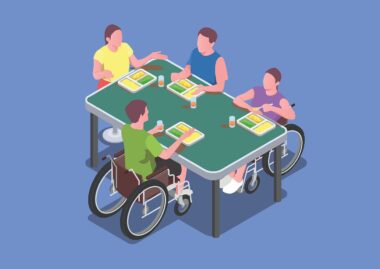
Fostering an inclusive environment requires conscious efforts from trainers and organizations involved in adaptive fitness training. It’s essential to design training spaces that promote accessibility and easy communication. Physical spaces should be wheelchair accessible and equipped with necessary tools that accommodate different disabilities. Additionally, providing clear signage in accessible formats ensures participants can navigate their environment confidently. Another significant aspect of inclusivity is delivering consistent opportunities for participants to voice their preferences. Encouraging feedback through surveys or informal chats allows trainers to tailor sessions to individual needs effectively. Also, offering choices regarding communication methods fosters a sense of control among participants. Participants should feel empowered to express discomfort or to request adaptations to exercises, depending on their abilities. Regular team-building activities can enhance bond development, promoting camaraderie among participants. These interactions not only reduce barriers but also cultivate a supportive culture within adaptive fitness sessions. Training staff to handle sensitive issues surrounding disabilities fosters empathy and understanding. Consequently, an inclusive environment blossoms, where everyone feels valued, welcome, and inspired to pursue their fitness journey confidently.
Cultural Sensitivity in Communication
In adaptive fitness training, cultural sensitivity plays a vital role in communication effectiveness. Trainers must navigate cultural nuances that may affect how individuals understand instructions. Factors such as language, traditions, and social norms significantly impact communication in diverse populations. It’s crucial for trainers to develop cultural competence by educating themselves about the unique backgrounds of their participants. Recognizing different communication styles and respecting them builds rapport and trust. Moreover, trainers should encourage a multi-cultural dialogue within fitness sessions, promoting understanding among participants from various backgrounds. Facilitating discussions about challenges faced by individuals with disabilities fosters empathy within the group. This awareness contributes to creating a more supportive and cohesive training environment. Avoiding assumptions and instead asking participants about their preferences opens channels for respectful communication. Trainers can also collaborate with cultural liaisons to provide resources to better understand the intricacies involved. Celebrating diversity and fostering an open space where everyone feels appreciated enhances overall engagement. When cultural sensitivity is prioritized, adaptive fitness programs become inclusive spaces where everyone can thrive, regardless of background or ability.
Conclusion: The Path Forward
Addressing communication barriers in adaptive fitness sessions requires a multifaceted approach. Implementing the strategies discussed can help trainers create a more accommodating environment for all participants. Enhancing communication through non-verbal techniques, technological aids, and fostering cultural sensitivity strengthens interactions. Furthermore, the continuous assessment of communication methods facilitates adjustments that cater to unique needs. This ensures everyone feels included and valued in fitness sessions. By prioritizing inclusion and understanding, trainers can create relationships founded on trust and support. As we move forward, it’s crucial to remain committed to embracing diversity and implementing effective strategies. Ultimately, the goal is to promote wellness for all individuals, regardless of ability. A shift towards enhanced communication can significantly improve the adaptive fitness experience. The path forward involves collaboration among trainers, participants, and caregivers. Together, we can build an inclusive community focused on adaptive fitness where everyone has the opportunity to thrive and achieve their personal goals.
Engaging With the Community
Finally, engaging with the community plays a vital role in overcoming communication barriers. Trainers should actively participate in outreach programs to better understand local needs. Engaging in community workshops or seminars can educate others about the importance of inclusive fitness. Moreover, collaborating with local organizations that support individuals with disabilities can enhance resources available to trainers and participants. Encouraging peer-to-peer support groups fosters lasting relationships while creating networks for sharing experiences. This involvement not only enriches adaptive fitness training but also raises awareness within the broader community. Partnering with schools and support groups can create pathways for individuals to discover adaptive fitness opportunities early on. Ultimately, effective engagement lies in building connections that empower participation in adaptive fitness. Together, we can promote an inclusive society where communication barriers become a thing of the past. Cultivating communication strategies that prioritize understanding fosters enriching environments for everyone involved. Consequently, individuals with disabilities increasingly feel encouraged to pursue fitness experiences that align with their aspirations. Moving forward requires a commitment to continuing education and knowledge-sharing to build stronger communities dedicated to fostering adaptive fitness.