
The Global Supply Chain Impact on Fitness Equipment Availability
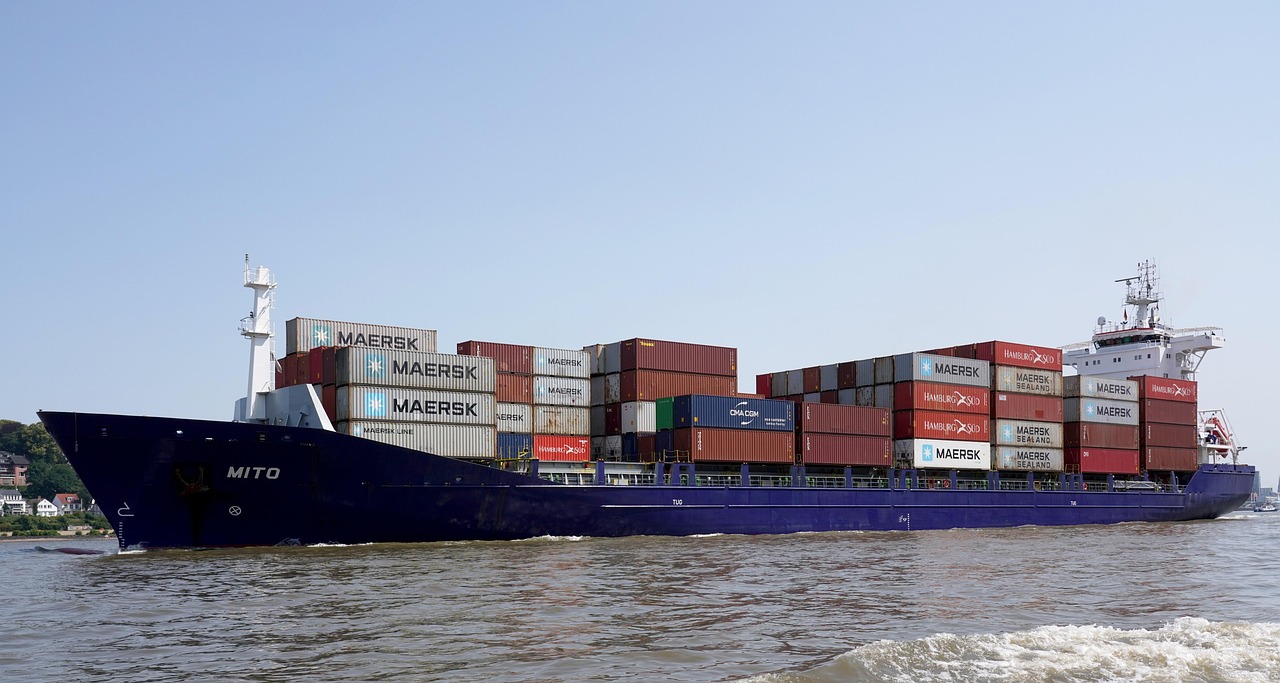
The fitness equipment market has faced unprecedented challenges due to global supply chain disruptions. These disruptions began as a ripple effect from the pandemic and have continued to impact manufacturers, retailers, and consumers alike. The unanticipated spikes in consumer demand for at-home fitness solutions overwhelmed suppliers who were unprepared for such significant changes. Key players in the fitness industry struggled with inventory shortages, leading to inflated prices and delayed product launches. As manufacturers aimed to replenish stock, challenges such as shipping delays, port congestions, and increased transportation costs presented further obstacles. The labor shortage also affected production rates and product availability across the globe. Supply chain visibility, a critical factor, highlighted areas needing improvement for future resilience. Increased demand for transparency regarding production processes emerged as companies sought to regain consumer trust. As the industry continues to adapt, innovation in distribution models and supply chain strategies is increasingly necessary. Enhanced local sourcing may allow businesses to respond quickly to consumer needs, reducing dependence on international suppliers, ultimately transforming the landscape of the fitness equipment market.
Recent trends in the fitness equipment market have revealed several key insights stemming from the impact of global supply chain issues. Firstly, fitness brands are recognizing the necessity to diversify their supply chains to mitigate risks associated with single-source dependency. This move promotes resilience against future disruptions, allowing companies to source materials from various regions. Secondly, businesses are increasingly adopting technology and data analytics for better inventory management. By utilizing real-time data, companies can anticipate demand fluctuations and adjust their production strategies accordingly. Enhanced communication across supply chain partners also aids in fostering transparency and efficiency. Additionally, the consumer shift towards online shopping necessitated quicker fulfillment solutions. E-commerce platforms must innovate their logistics to fulfill customer expectations effectively. Companies must consider the customer experience seriously, especially considering the increase in online fitness-related purchases during the pandemic. Finally, sustainability factors now play a more significant role in supply chain decisions, as eco-conscious consumers favor brands demonstrating environmental responsibility. Investment in sustainable practices is not merely viewed as an added expense but a critical component for attracting a dedicated consumer base in the evolving market.
Emergence of New Fitness Trends
In light of recent market challenges, several new fitness trends have emerged, influencing equipment demand and availability. One significant trend is the rise of functional training, which emphasizes using equipment for multi-dimensional workouts that mimic real-life movements. This has prompted an increase in demand for versatile gym equipment such as kettlebells, resistance bands, and suspension trainers. Furthermore, the popularity of small-space living has led to an increase in demand for compact and easily storable fitness solutions. Foldable equipment and multifunctional machines have gained traction, catering to individuals with limited space yet full fitness ambitions. Additionally, the surge in interest for group fitness classes and personal training online has influenced how equipment is marketed. Trainers are now seeking quality gear that can engage clients effectively while improving results. Moreover, outdoor fitness routines have spurred demand for portable equipment that can withstand various weather conditions, such as outdoor cones or resistance bands. Adapting to these new preferences poses both challenges and opportunities for manufacturers and suppliers in the fitness equipment landscape, prompting innovation and creativity for future product designs.
Aside from equipment adaptability, fitness equipment suppliers are increasingly placing a premium on customer service and support. Consumers are no longer just looking for a product but a holistic experience that includes guidance in maintenance, usage tips, and warranty support. This shift in expectation has led brands to enhance their after-sales services significantly. For instance, online platforms now integrate detailed instructional videos and live customer support chats to assist buyers promptly. Manufacturers are also focusing on building communities around their equipment, fostering connections among users through social media, forums, and events that encourage sharing workouts and experiences. This community aspect adds value to the customer journey, enhancing their sense of belonging. Additionally, the growing demand for personalized fitness solutions has driven innovation in providing tailored recommendations and customization options for equipment. Suppliers are leveraging data-driven insights to understand individual preferences better, ultimately leading to higher customer satisfaction. As the competition intensifies, brands must remain agile, quickly adopting new trends and continually enhancing customer engagement efforts, ensuring a competitive edge in the dynamic fitness equipment market.
The Importance of Supply Chain Resilience
With the ongoing challenges faced by the fitness equipment market, supply chain resilience has emerged as a focal point for brands. Organizations are reevaluating their supply chain structures and implementing strategies to strengthen their operational capabilities. This means investing in technologies enhancing supply chain visibility, such as predictive analytics and blockchain solutions that foster transparency. Integration of AI-driven tools into inventory management assists businesses in foreseeing potential disruptions in the supply chain, allowing them to take proactive measures against shortages. Competitive analysis is becoming increasingly crucial, as firms strive to differentiate themselves by offering unique, high-quality products that cater to evolving consumer preferences while ensuring availability. Collaboration among stakeholders in the supply chain, including manufacturers, suppliers, and distributors, is vital to streamline processes and foster efficient communication. Embracing local manufacturing where possible reduces reliance on global suppliers, aligning business practices with sustainability goals. The emphasis on better risk management strategies will likely lead to more robust supply chains, ultimately benefiting consumers worldwide. As the fitness industry rebounds, organizations must remain vigilant and adaptable, ensuring their operational models can withstand future challenges effectively.
Another significant aspect of the fitness equipment supply chain is the role of sustainability initiatives in product development. Manufacturers are increasingly pressured to adopt eco-friendly materials and processes to meet rising consumer demands for ethical production. Sustainable practices enhance brand reputation and offer a competitive advantage in a market that prioritizes environmental responsibility. Implementing circular economy principles, such as product recycling and resource efficiencies, not only minimizes waste but can also reduce costs in the long run. As fitness brands build sustainability into their supply chains, they must clearly communicate their initiatives to consumers who now consider a brand’s environmental impact when making purchasing decisions. Collaborating with suppliers committed to sustainable practices fosters shared values and strengthens partnerships. Additionally, investing in renewable energy sources for manufacturing facilities highlights a brand’s commitment to reducing its carbon footprint. Certifications for sustainable practices can provide further credibility, appealing to more environmentally-conscious customers. Streamlining the supply chain to emphasize sustainability is not just a trend but a necessary evolution, ensuring businesses remain relevant and responsible in an increasingly aware market.
Looking Ahead: Future of Fitness Equipment Supply Chains
In conclusion, the fitness equipment market faces both challenges and opportunities owing to global supply chain disruptions and evolving consumer preferences. As brands navigate these complexities, adopting innovative strategies is essential for success. The prioritization of agile supply chains, coupled with advanced technology integration, will ensure organizations can respond efficiently to evolving market demands. Furthermore, brands investing in customer-centric services and sustainable practices will likely thrive in the increasingly competitive landscape. Companies must embrace collaboration, innovation, and transparency in their operations, building strong relationships with suppliers and consumers alike. Recognizing the importance of community engagement strengthens brand loyalty and promotes a seamless customer experience. With the continued rise of trends such as functional training and online fitness platforms, the demand for diverse, adaptable equipment will increase dramatically. As the industry progresses, the ability to anticipate these trends and seamlessly integrate them into business models will determine competitive advantages. Ultimately, synchronized efforts throughout the supply chain will set apart successful brands within the fitness equipment market. The future is bright for those willing to transform and adapt in an ever-evolving environment.
The fitness equipment market will undoubtedly continue to evolve in response to both consumer demands and supply chain fluctuations. As innovation accelerates, adapting strategies will be critical for navigating uncertain terrain. Consumer resilience remains robust, with ongoing investments in health and wellness, driving overall market growth, fostering optimism even amid challenges. Fitness equipment manufacturers must remain proactive and agile to stay relevant. Leveraging partnerships, ethical practices, and technology can offer a clear pathway towards success in an increasingly dynamic landscape. The landscape of fitness equipment will never be static. Brands that address emerging consumer preferences, supply chain inefficiencies, and sustainability demands will lead the market. As the industry prepares for the future, commitment to quality and innovation must remain at the forefront. In conclusion, the fitness equipment market is poised for transformation as it adapts to evolving consumer preferences. Innovation and adaptation will ultimately shape the future of fitness. Companies must focus on agility, sustainability, and technological integration for long-term success in this dynamic sector.