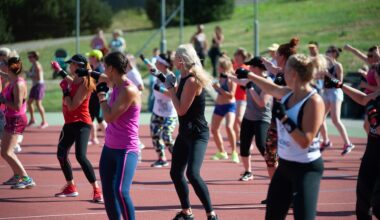

Recognizing Early Signs of Injury in Dance Fitness Routines
Dance fitness is a popular workout that combines the enjoyment of dance with physical exercise to create an engaging and effective routine. While beneficial for overall health, participants should carefully monitor their bodies for any signs of potential injuries. Ignoring early warning signs may lead to more serious issues down the line, hindering performance and enjoyment of dance routines. Some common early signs include unusual fatigue, localized pain, or discomfort in specific areas of the body. Pay close attention to unusual sensations that persist during or after exercise. Listening to your body is crucial to preventing injuries. It’s vital to warm up properly before engaging in any dance fitness class, as well as to cool down appropriately afterward. Adopting a correct technique and stance throughout routines can greatly reduce the risk of injuries, ensuring a safe and enjoyable experience. If you notice persistent pain or discomfort after exercising, consider consulting a medical professional. They can provide insights into your specific concerns and recommend appropriate interventions to manage symptoms and prevent further complications.
Dancers and fitness enthusiasts must understand the importance of sustainability in their practice. Overtraining is a significant risk in dance fitness, where high-energy workouts become overwhelming. Monitor how your body responds to intense routines. Signs of fatigue can indicate that your body is struggling to recover. This can lead to increased susceptibility to injuries such as strains or sprains. To mitigate these risks, consider integrating rest days into your workout schedule. Balance is essential, allowing the body to repair itself after strenuous activity. Incorporate a variety of movements in your classes to work out different muscle groups. This reduces the likelihood of repetitive strain injuries, which can occur when the same muscle groups are overworked. Also, stay aware of any changes in your balance or coordination. If you find yourself frequently stumbling or noticing difficulty maintaining stability during workouts, this could be a sign of underlying fatigue or weakness. Don’t hesitate to reach out to dance instructors or fitness trainers for guidance on refining techniques for better efficiency and injury prevention. Seeking feedback from your peers can also enhance your awareness.
Another crucial aspect to consider in dance fitness is the appropriate footwear and attire. Wearing the right shoes is foundational for protecting your feet, ankles, and joints. Dance fitness shoes should provide sufficient support and cushioning while allowing freedom of movement. Avoid high heels or overly restrictive footwear during dance workouts. Selecting shoes specifically designed for dance or fitness can significantly decrease the likelihood of sustaining injuries. Additionally, choose breathable fabrics for your clothing to maintain comfort during workouts. Moisture-wicking materials can help regulate temperature and reduce irritation caused by sweat. Proper hydration is another essential element, as dehydration can impede performance and lead to fatigue, increasing injury risk. Always allow time for breaks to hydrate, especially in high-energy classes. Encourage your dancers to practice mindfulness during sessions, being conscious of their body’s signals. Ignoring pain can lead to larger issues, so it’s best to stop and rest if they feel unwell. A supportive environment also fosters open communication about injury concerns, allowing individuals to share their experiences and learn from one another.
The Role of Stretching in Injury Prevention
Stretching plays a core role in injury prevention within dance fitness routines. Integrating dynamic stretches before the workout can optimize performance and flexibility. This prepares muscles for movement while reducing tension. After completing a routine, static stretching helps cool down and alleviate muscle tightness. Focusing on flexibility through dedicated stretching sessions can enhance overall movement quality, providing dancers with better range of motion. Include stretches targeting major muscle groups involved in dance, such as the legs, arms, and back. Regular stretching routines can also improve balance and coordination, integral components for any dancer. Warm-up exercises may consist of gentle movements that increase blood flow to muscles, further preparing them for more intense activity. Also, consider including foam rolling to ease muscle tension – this technique can aid recovery and prevent injuries. Encourage participants to devote time to developing a personalized stretching routine, focusing on individual areas of concern. Document progress in flexibility as well, as improvements can help monitor efficiency and effectiveness. Promoting a culture of flexibility awareness helps participants become proactive about their physical health, significantly lowering injury occurrences.
Modern advancements in injury prevention also incorporate technology and commercial monitoring devices. Wearable fitness trackers allow participants to maintain quantitative records of their physical activity, enabling a better understanding of their bodies over time. These devices often provide various metrics, including heart rate and calories burned, as well as activity time. If patterns emerge indicating increased fatigue or irregularities in performance, adjustments can be made accordingly. Additionally, consider participating in workshops and classes centered on injury prevention techniques. Knowledge-sharing about warm-up routines, cool-down practices, and recovery exercises builds resilience among dancers. Engaging with both seasoned and newer dancers can foster camaraderie while learning valuable injury management strategies. Seek opportunities to understand how to work with common injuries specific to dance fitness. Any dancer can benefit from learning about the appropriate responses to specific injuries, such as ice application or compression techniques. This knowledge contributes to a stronger community dedicated to health and wellness, where members prioritize injury awareness and recovery strategies. Embrace the collaborative spirit in the dance fitness world through workshops and online resources.
The Importance of Rest and Recovery
Balancing high-energy dance routines with adequate rest is vital for avoiding injuries. Recovery is essential after every intense session, allowing the body to repair and rejuvenate. Encourage participants to schedule regular rest days in their routines to promote optimal muscle recovery. Not giving the body time to recuperate can lead to chronic issues down the line, thus compromising the enjoyment of dance fitness classes. Implementing restorative practices such as yoga or gentle stretching on rest days can enhance recovery. Furthermore, consider incorporating nutritional elements into discussions, focusing on diets rich in protein and healthy fats. These nutrients are crucial for muscle repair and growth. Educate dancers on the significance of sleep, as it greatly influences recovery efforts. Aim for consistent sleep schedules to promote mental clarity, well-being, and physical resilience. A well-rested dancer is more alert and responsive to their body’s signals, helping to detect early signs of injury. Provide discussions about the importance of listening to one’s body and knowing when to push through discomfort versus when to take a break. Empowering dancers with this knowledge supports a culture of health and longevity.
In conclusion, recognizing early signs of injury in dance fitness routines is vital for any dancer’s longevity and health. By implementing various strategies, dancers can promote self-awareness and health, ultimately enhancing their enjoyment of movement. Address techniques, wear appropriate footwear, engage in thorough warm-up and cool-down practices, and be open about pain and discomfort within classes. Enhanced awareness of injury prevention practices fosters an supportive community where everyone can thrive. Leveraging technology adds an innovative dimension, enhancing understanding of individual activity levels and wellness trends. Together, dancers can cultivate a culture of injury prevention, blending fun with safety. Through intensive education and exploration, participants become more informed about their physical limits while also growing as performers and fitness enthusiasts. With knowledge and solidarity combined, creating a space to flourish in dance fitness becomes possible. The journey remains rewarding, sustaining interests in movement, expression, and well-being. Emphasizing the significance of awareness and community support will ultimately govern a thriving dance-based fitness environment, comforting dancers in their quest for excellence and healthy practices.