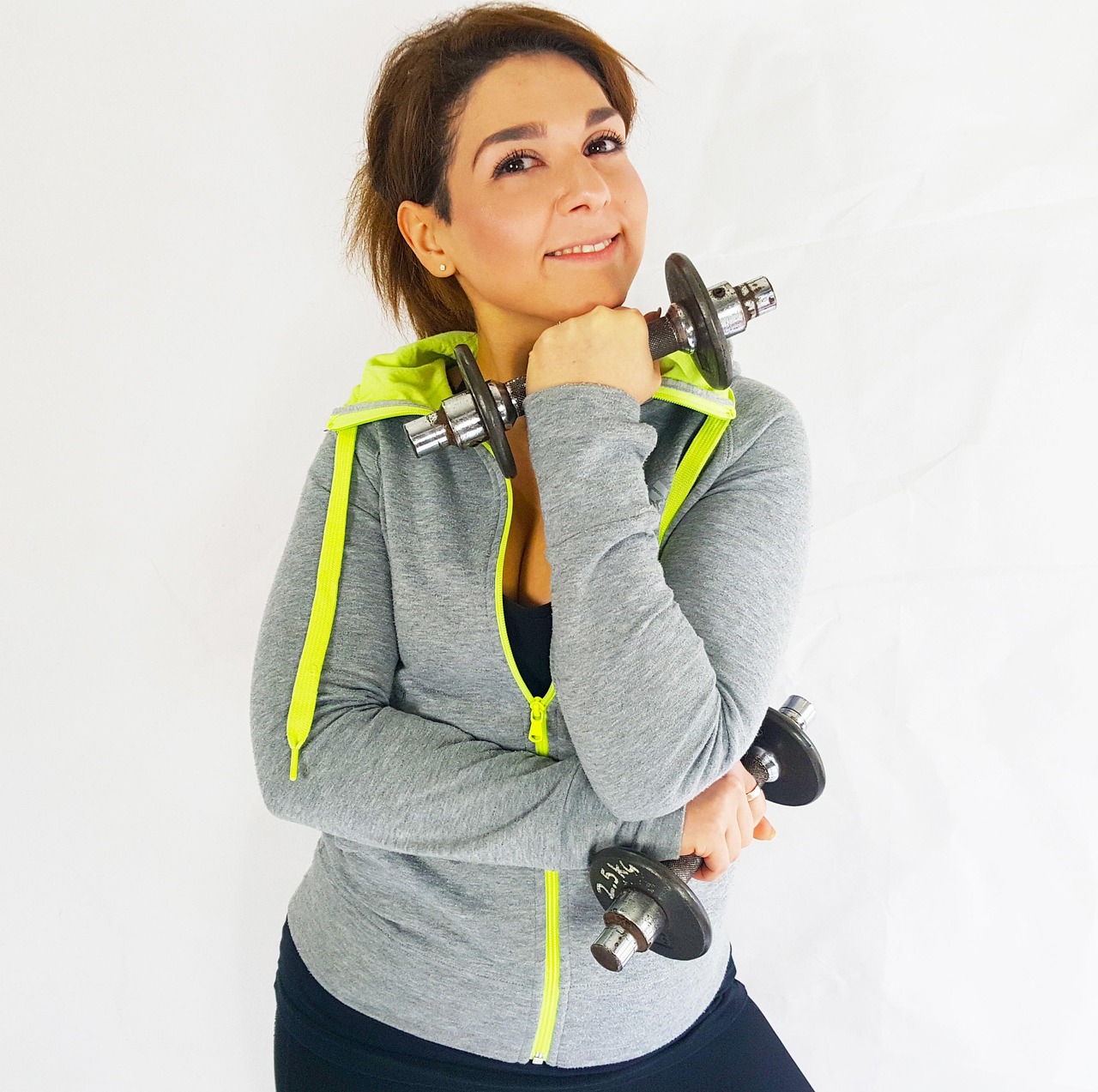

How to Choose the Right Personal Trainer for You
Choosing a personal trainer is a crucial step in achieving your fitness goals, as they provide guidance and motivation. Begin by determining your fitness objectives. Are you looking to lose weight, gain muscle, or improve overall wellness? Understanding your goals will help you select a trainer who specializes in your area of interest. Look for any certifications or qualifications they possess. A good personal trainer should hold relevant certifications from recognized organizations, which vindicate their knowledge and expertise. Beyond qualifications, consider their experience. A trainer with several years in the field can usually offer better insight and effective strategies based on real-world experience. Additionally, it’s essential to find someone whose training style aligns with your personality. Some trainees thrive on tough motivation, while others prefer a gentler approach. Don’t hesitate to ask for a trial session to gauge compatibility. Also, consider their availability and scheduling flexibility, as you need a trainer whose timing coincides with your own. Please don’t overlook the importance of reviews and testimonials from their previous clients, as these can provide valuable perspectives on their effectiveness.
Understanding Different Trainer Specialties
Each personal trainer may possess different specialties, making it essential to find one that aligns with your specific needs. For instance, if you’re recovering from an injury, look for a trainer with rehabilitation expertise. They can help you safely return to fitness without risking aggravation of your injury. On the other hand, if your goal is bodybuilding or sports performance, you should seek a trainer experienced in strength training, conditioning, and nutrition specific to those areas. Ensure that the trainer you consider has solid knowledge and experience in areas such as weightlifting techniques, nutritional advice, and sport-specific drills. Additionally, you could explore trainers that offer group classes or functional training sessions, which may be useful if you enjoy the camaraderie of others or desire more diverse training options. Research trainers who incorporate modern workout methodologies or technology in their approach, including assessment tools or apps. This blend of expertise and innovation can significantly impact your journey. Always engage in discussions about their training philosophy and approach to ensure a good match for your preferred learning and growth style.
When selecting a personal trainer, financial considerations are crucial. Trainers can possess varying fees that may differ based on their experience, certifications, or location. It’s wise to establish your budget before beginning your search. Some trainers may offer discounts for bundled sessions, making it more cost-effective. Additionally, inquire about payment plans or price structures that provide flexibility over time. This allows you to schedule sessions without financial strain. Another aspect to reflect on is the trainer’s business model. While independent trainers typically charge lower rates, they may lack some corporate structure. Conversely, trainers in gyms or fitness centers might have higher rates, but they may come with additional facilities. Research if the gym provides amenities such as equipment, child care, or group classes as part of your package. Always clarify cancellation policies and terms of engagement beforehand, to avoid misunderstandings later on. Understanding these financial aspects allows you to make informed decisions without unwelcome surprises. Prioritize finding a balance between quality and affordability, ensuring you invest in your health while working within your means.
Scheduling and communication style also play crucial roles in your trainer choice. A trainer’s availability should coincide with your schedule, ensuring you can make regular, consistent workout appointments. If you prefer morning sessions, confirm their early availability. Alternatively, if your schedule is erratic, consider a trainer who offers flexible options, possibly including virtual sessions. Effective communication is also essential in a trainer-trainee relationship. A trainer should convey instructions clearly and provide feedback but also listen to your concerns and preferences. They should adapt your training plan based on how your body responds, ensuring it remains safe, effective, and enjoyable. Discuss their preferred communication method—some trainers may text, while others prefer in-person discussions, email, or phone calls. Establishing this rapport can significantly affect your motivation and overall experience. Pay attention to how they communicate during trial sessions. If their methods encourage and inspire you, that’s a favorable sign. Alternatively, if they fail to engage you well, this could hinder your progress and motivation, making it a valid criterion for selection.
Evaluating Progress and Feedback
Assessing a trainer’s ability to track progress is essential in ensuring you meet your fitness goals. A competent trainer should consistently provide assessments and monitor improvements in your health and fitness metrics. Tools such as fitness assessments, body composition measurements, or progress photos can illustrate your physical advancement. Additionally, they must adapt the workout program based on your progress, ensuring exercises remain challenging and effective. Regular feedback sessions should also be a part of your training schedule, where the trainer reviews your achievements and adjusts strategies as necessary. This could involve modifying your routine or suggesting dietary changes if you face hurdles. Communication skills reveal how effectively they convey this feedback, so pay attention to clarity and constructive criticism. Ensure your trainer fosters an environment where you’re comfortable discussing what works for you and what doesn’t. This two-way feedback can create a positive cycle of motivation and goal achievement. Trust your trainer to provide adjustments ensuring that you continuously evolve and avoid plateaus in your fitness journey.
Another essential factor is evaluating the trainer’s overall philosophy regarding fitness and health. It is beneficial to choose a trainer whose mindset aligns with your own perspective on health. For instance, if you’re pursuing a holistic approach to wellness that includes mental and emotional health, find a trainer who incorporates mindfulness or nutrition into their programming. Discuss their views on lifestyle, recovery, and nutrition, ensuring their attitude reflects a balanced approach rather than solely focusing on intense physical activity. Your trainer should advocate for sustainable practices rather than quick fixes or fad diets. This outlook promotes long-term health rather than temporary results. Explore their stance on injury prevention and recovery; you should feel empowered rather than pushed. Beyond physical fitness, a trainer’s philosophy may extend to encouraging an active lifestyle and promoting self-acceptance in health. This holistic view will generally facilitate a more enjoyable and productive fitness journey, ultimately leading to better results and sustained motivation. Ensure that this larger worldview aligns with your vision of health for meaningful progress.
Finally, consider the personal connection or chemistry you feel with a trainer during your initial interactions. This element can often be overlooked, but it’s vital for a supportive and effective partnership. A trainer should not only be knowledgeable and experienced but also relatable, empathetic, and approachable. Building rapport allows you to feel comfortable expressing your goals, challenges, and concerns openly. This connection can also enhance accountability—when you like and trust your trainer, you’re more likely to stay committed to your workout schedule. After all, working together toward a common goal should be enjoyable. Schedule an introductory meeting or trial session to observe their personality and coaching style. During this initial engagement, assess how they make you feel; do they inspire confidence? Are they supportive and motivating? Remember that a strong personal connection can drastically improve your overall training experience, fueling your enthusiasm for fitness. So, trust your instincts. Ultimately, partner with someone who aligns with your aspirations, understands your preferences, and helps you thrive.
Conclusion: Making Your Choice
Choosing the right personal trainer encompasses several factors that significantly influence success in your fitness journey. By carefully discussing your goals, evaluating their qualifications, specialties, communication skills, and financial considerations, you’ll be better prepared to make an informed decision. Understand that this is a partnership that requires trust, rapport, and alignment on fitness philosophies. Take the time to meet potential trainers, conduct interviews, and even join trial sessions to find a perfect match for your fitness aspirations. Your trainer will become a crucial factor in your motivation, accountability, and progress as you work towards a healthier lifestyle. Additionally, keep in mind that adjusting your expectations and being open to change is vital as you advance in your fitness journey. Personal trainers can provide you with valuable guidance and support tailored specifically to you, but ultimately, your dedication and commitment will play the largest role in achieving your goals. Cultivating the right environment will set the course for your ongoing success, so choose wisely, and invest in your health.