
Introduction to Marathon Race Experiences
Marathon racing presents two captivating environments: urban and rural. Each setting offers distinct advantages and challenges for runners. Urban marathons, with their bustling city landscapes, feature impressive skylines and enthusiastic crowds. This electrifying atmosphere is characterized by numerous spectators, live music, and cheering stations that foster a vibrant atmosphere. Additionally, cities typically provide better infrastructure, including ample facilities for registration and post-race relaxation. However, rural marathons offer a unique allure of their own. Run amidst nature, participants often enjoy breathtaking views of mountains, valleys, and rivers. The serenity found in rural areas allows athletes to connect intimately with their surroundings. Furthermore, these races are generally less crowded, providing a more personal experience where runners can enjoy each mile in peace. Nonetheless, logistics can be more challenging in rural settings, with fewer amenities and volunteers. To summarize, both urban and rural settings offer a range of experiences that cater to different preferences and motivations. Understanding these differences is crucial for participants looking to choose the right marathon that aligns with their fitness goals and personal preferences.
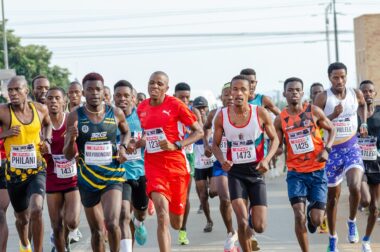
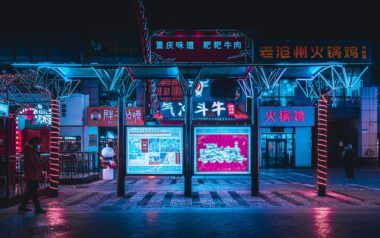
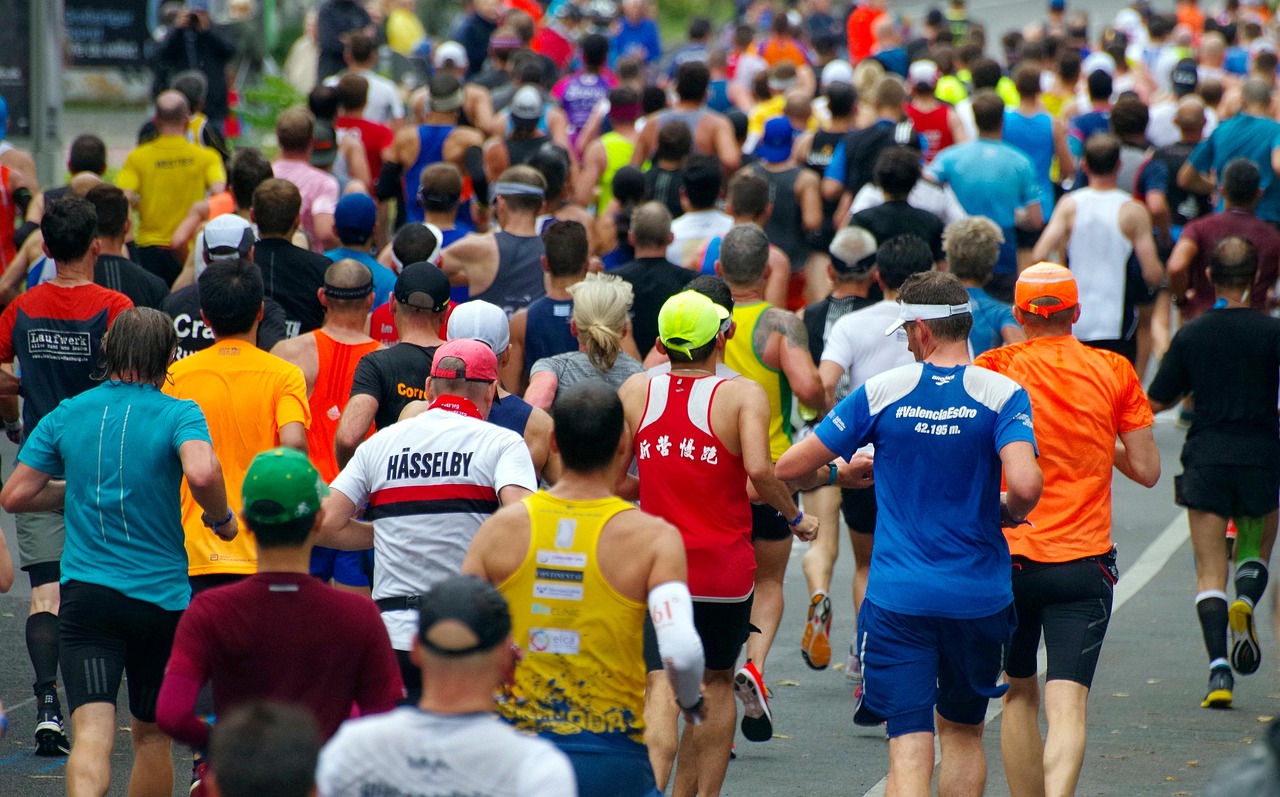
When considering the urban marathon experience, one cannot overlook the thrill of running through city streets teeming with life. The race typically features iconic landmarks such as skyscrapers, historical buildings, and famous bridges. Spectators line the streets, creating an electrifying atmosphere that pumps energy into every runner. Not only do these racecourses showcase the dynamism of urban spaces, but they also present unique challenges such as crowded paths and densely populated locations. The noise and excitement can be overwhelming, especially for first-time marathoners. In urban settings, organizing committees often invest significant resources into participant amenities. They provide hydration stations, medical assistance, and logistical support. Furthermore, post-race festivities in cities often include concerts, food stalls, and celebrations. This vibrant atmosphere enhances the overall experience. However, urban marathons are generally less scenic than rural ones, as natural landscapes might be scarce. It’s essential to weigh these pros and cons before choosing an urban event. In summary, urban marathons maximize the energy and excitement, catering to those who thrive on the buzz of the city.
Advantages of Rural Marathons
In comparison, rural marathons provide a distinct and tranquil alternative to their urban counterparts. These races often take place on scenic trails, through charming countryside, or near serene bodies of water. The natural beauty experienced during rural runs can be unparalleled, with runners traversing vast fields and picturesque landscapes. This immersion in nature cultivates a sense of peace and is invigorating for those who seek solace. Moreover, rural races are typically less congested, allowing runners to find their own pace without the frustrations of crowded streets. The smaller participant groups enable camaraderie and relationships among runners that may be harder to forge in bustling urban settings. Additionally, rural marathons tend to promote local farming communities and local businesses, enhancing the overall community vibe. Runners might sample local delicacies and enjoy unique post-race festivities that reflect regional culture and traditions, providing a more authentic running experience. However, given the remote locations, participants must often be well-prepared for logistical challenges, including transportation and accommodations.
When examining the infrastructure available in urban versus rural marathon settings, urban marathons clearly have distinct advantages. Cities boast established transportation networks, making it easier for participants to arrive at the starting line. Flexible accommodation options in urban areas can cater to diverse budgets, from luxury hotels to hostels. Moreover, urban races usually provide familiar amenities such as pre-race expos and comprehensive training programs. Participants can benefit from pre-marathon workshops and expert advice, which is invaluable for preparation. On the flip side, rural marathons may lack the same level of convenience. Facilities can be spread out, and distances between accommodations and the race start line can be significant. Many rural events necessitate rental cars or longer commute times from nearest cities. Additionally, rural environments may have limited access to medical services or first aid stations. Consequently, runners must take personal responsibility for their own safety and preparation in these settings, which might be daunting for inexperienced participants. Each environment presents its own strengths and weaknesses regarding infrastructure, and it’s crucial for runners to evaluate their preferences before selecting a marathon.
Post-Race Experience: Urban vs. Rural
An exciting highlight of any marathon experience is the post-race celebration. Urban marathons frequently offer vast festivities with lively music, great food, and different entertainment options to keep participants engaged after they cross the finish line. Often held in city parks or other major venues, post-race functions in urban settings attract many attendees, which adds to the celebratory atmosphere. Runners have many options for enjoying their victory, from indulging in local dishes to sipping refreshments. However, while urban marathons might offer an abundance of options, there is a risk of feeling overwhelmed in crowded venues. Rural marathons, in contrast, center their post-race celebrations on community involvement. These events may feature local artists, live music, and simple good food sourced from local vendors. The familiar, warm atmosphere encourages runners to connect organically with fellow participants and community members. However, entertainment options may be limited compared to urban settings. Each environment presents unique advantages and experiences after crossing the finish line, with urban areas offering vibrancy and rural events emphasizing community connection.
Ultimately, the choice between an urban and rural marathon depends on individual preferences and objectives. Urban marathon experiences excel at providing excitement, energy, and well-established amenities, making them attractive to many novice and seasoned runners alike. Participants relishing in a vibrant atmosphere will appreciate the rich support offered by enthusiastic crowds. Alternatively, rural marathons appeal to those seeking solitude, nature, and an authentic sense of community. The serene landscapes enable a profound connection between runners and the environment, which can be the ultimate motivator. Individuals must reflect on their personal goals and motivations when choosing their race. Are they looking for exhilaration and high energy, or do they desire a peaceful, scenic route to savor? Both options offer unique experiences, and each has its own advantages and disadvantages. By considering factors like course design, community involvement, and post-race festivities, runners can make an informed decision about the marathon that best aligns with their desired goals. Choosing the right marathon is an essential step along their running journey.
Conclusion: Choose Wisely
In conclusion, both urban and rural marathons offer distinct experiences that cater to varied preferences and motivations. Urban marathons captivate with their vibrant, energetic environment, drawing participants into a whirlwind of excitement while tapping into the city’s culture. In contrast, rural marathons provide an opportunity to escape into nature, offering tranquility and an intimate connection with the surroundings. As runners consider their options, it’s important to acknowledge not only the advantages but also the challenges associated with each type of event. Understanding logistical issues, participant amenities, and atmospheres can lead to making a well-informed choice that aligns with personal goals. Each runner’s journey is unique, and the marathon they choose will significantly impact their experience. Whether they are looking for a thrilling day filled with city excitement or a calm run surrounded by the beauty of nature, each has its charm. Therefore, it’s vital to evaluate individual needs and preferences and select a race that will motivate and inspire them, regardless of the chosen path.
Choosing the Right Marathon Experience
In the end, the choice of marathon experience can profoundly influence a runner’s overall satisfaction and performance. Urban marathons are fantastic for those who thrive on energy, crowds, and an urban atmosphere filled with activities. Being part of a large-scale event often pushes runners to perform at their best. Meanwhile, rural marathons provide an essential contrast with their peacefulness, simplicity, and connection to local culture. This distinction can significantly influence how participants feel about their running journey. Additionally, choosing the right marathon aligns with personal goals and training backgrounds. Novice runners may find urban events less intimidating due to support and enthusiasm. In contrast, seasoned runners searching for tranquil environments may appreciate the challenges and rewards of rural marathons more. Those planning to bond with nature can relish rural events that highlight scenic trails. Whichever path athletes choose, they must diligently prepare. Consider their training protocols, pre-race nutrition, and motivations. Every detail counts when planning a marathon, and being well-prepared will set them up for success. Thus, runners should carefully evaluate their choices before lacing up their shoes!