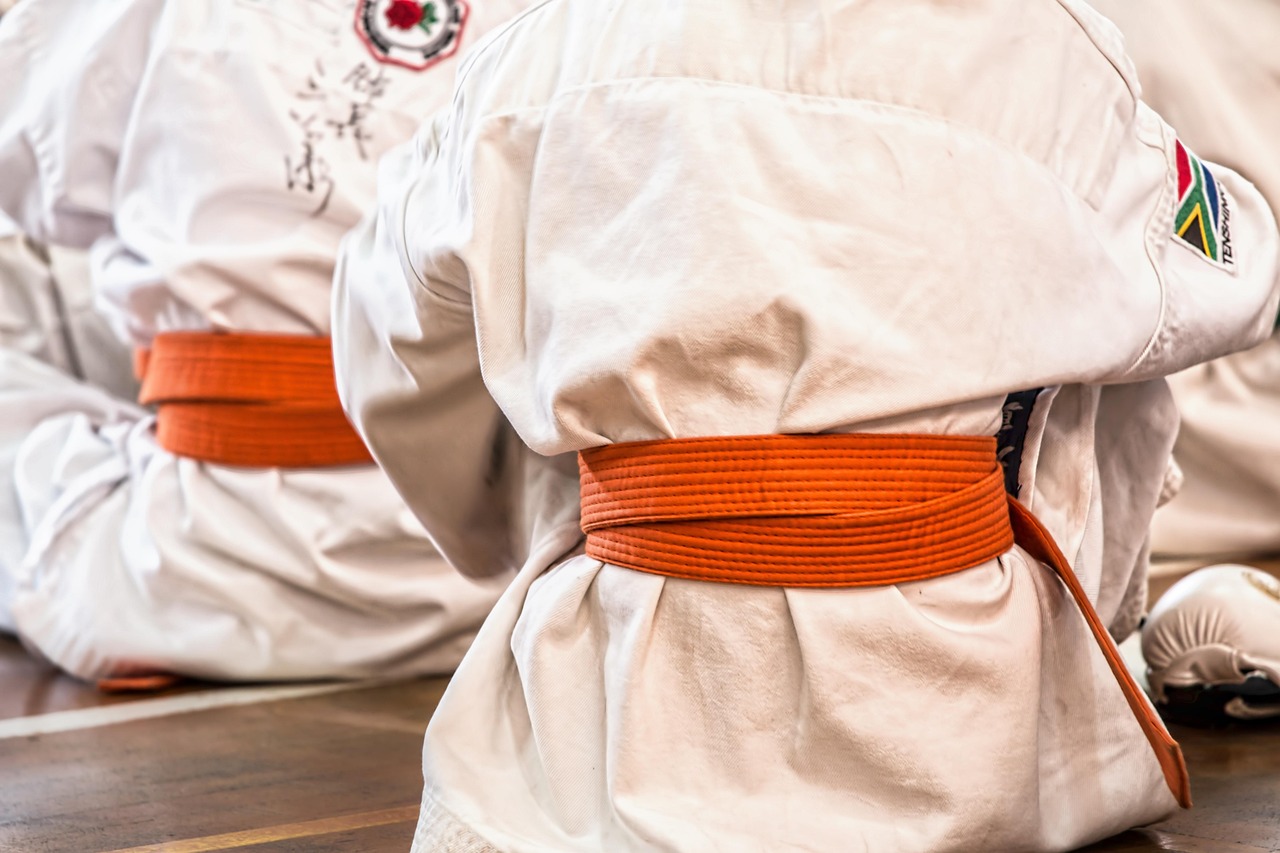

Using Martial Arts as a Fitness Strategy for PTSD Healing
Post-Traumatic Stress Disorder (PTSD) is a mental health condition that affects many individuals often after experiencing trauma. Traditional treatment options include therapy and medication, but many are seeking alternative ways to expedite recovery. One such alternative is martial arts, which provides both physical and psychological benefits. These activities bridge mental fitness and physical exercise, helping individuals confront their traumatic experiences in a constructive and empowering environment. Martial arts, such as karate, jiu-jitsu, and taekwondo, can provide participants with improved focus, discipline, and confidence. Engaging in regular martial arts training also fosters a sense of community and belonging, often essential for healing. It offers a non-judgmental space to express emotions and work through internal struggles. By integrating martial arts into treatment plans, individuals can learn techniques to manage anxiety and regulate emotions effectively. This unique approach encourages the development of coping strategies that reinforce resilience. Overall, martial arts can be a vital component of a comprehensive fitness strategy for PTSD, renewing hope and the possibility of healing from trauma.
Physical and Mental Benefits of Martial Arts
Martial arts practices encompass various forms of physical activity that promote fitness while also addressing mental health aspects. Regular participation can lead to improved physical health, such as enhanced cardiovascular fitness, flexibility, and overall strength. These physical benefits are essential for those recovering from PTSD, as maintaining a healthy body can significantly contribute to a healthy mind. Additionally, engaging in martial arts promotes mental clarity and discipline. This structured environment helps participants learn to channel their energy positively, releasing pent-up frustrations through controlled movements. Furthermore, the focus required for martial arts can assist individuals in staying present, reducing spirals into catastrophic thinking that often accompany PTSD symptoms. Another crucial aspect is the emphasis on breathing techniques seen in many martial arts practices. These breathing exercises can facilitate relaxation and mindfulness, grounding individuals during overwhelming moments. Moreover, martial arts encourage social interactions through training with partners or in groups, cultivating bonds that are often difficult for those with PTSD. Such connections can further assist individuals in their journey toward recovery and reintegration into social settings.
Setting practical goals in martial arts training can be particularly therapeutic for those with PTSD. Establishing achievable milestones encourages progress and fosters a sense of control, which may be lacking in their lives due to trauma’s aftermath. Beginners often start by mastering basic movements and techniques, gradually building their skills and confidence over time. This gradual process not only enhances physical capabilities but also empowers individuals to face and overcome personal challenges. As they advance, practitioners can set higher goals, such as achieving new belt ranks or mastering advanced techniques, which requires perseverance and dedication. This journey can be remarkably transformative for those managing PTSD. Visualization techniques are often used in martial arts training, allowing practitioners to mentally rehearse movements before executing them physically. This practice helps bolster self-efficacy and reduces anxiety surrounding performance. In addition, mastering complex techniques can provide a significant boost to self-esteem, which is often diminished in individuals with PTSD. Thus, goal-setting, combined with visualization, forms a robust strategy within martial arts that can support individuals through their healing journey.
Building Confidence and Self-Esteem
A major therapeutic aspect of martial arts is the boost in confidence and self-esteem it can provide. Many individuals with PTSD struggle with feelings of inadequacy and vulnerability. Through martial arts, they learn new skills that promote physical competence and emotional resilience. This enhanced sense of capability is crucial for rebuilding self-esteem that may have been shattered by previous traumatic experiences. As individuals learn to defend themselves and improve their techniques, they often discover a newfound appreciation for their abilities, fostering empowerment. Furthermore, martial arts teach strategies for self-control and self-discipline, essential components of managing PTSD symptoms. Regular training instills a routine that participants can rely on during times of distress. This reliable structure shifts focus away from traumatic memories toward personal growth. As students progress and realize their dedication translates into skill, they cultivate a mindset of achievement and perseverance. Support from instructors and fellow practitioners is another critical factor, offering encouragement and guidance. Feeling part of a community reinforces a sense of belonging, further uplifting spirits on the road to healing through martial arts.
In addition to individual benefits, participation in martial arts classes creates opportunities for group healing, which can be particularly effective for those experiencing PTSD. Group settings facilitate social interaction and support, allowing individuals to connect with others who may share similar experiences. Safe environments are essential for fostering open discussions regarding trauma and shared recovery journeys. Engaging in martial arts classes with others facing similar challenges lessens the feeling of isolation often associated with PTSD. It teaches participants to trust again, not just themselves but also their peers in various sparring and partner exercises. This rebuilding of trust in group settings promotes teamwork and encourages collaborative growth, which can be fundamental in recovery. The bonds formed within martial arts classes can become a crucial support network for individuals outside of training sessions. Many martial arts dojos emphasize mutual respect and encouragement, creating a foundation for both personal and collective healing. Learning to rely on fellow practitioners helps individuals realize they are not alone in their struggles and reinforces a community-based approach to overcoming trauma.
Incorporating Mindfulness into Training
Mindfulness is a pivotal component of martial arts training that plays a significant role in healing from PTSD. The focus on breathing, movement, and mental clarity aligns well with mindfulness practices often recommended for managing anxiety and stress. Practitioners learn to become aware of their thoughts and emotions without judgment, allowing them to process feelings related to traumatic experiences more healthily. Integrating mindfulness exercises into martial arts creates a unique opportunity for personal growth and mental healing. Students often engage in meditative practices alongside physical training, emphasizing the unity of mind and body. This holistic approach nurtures a deeper connection with oneself, fostering emotional regulation and resilience. Through mindful movements, participants can engage their bodies in ways that promote release from stored tension and anxiety. Meditation techniques help ground individuals, providing tools they can use outside the dojo when faced with stressors. In addition, the repetitive nature of martial arts practice encourages a state of flow, where individuals find themselves immersed and present, further cultivating mindfulness. Over time, this consistent practice enhances emotional stability and strengthens their capacity to cope with PTSD symptoms in daily life.
Ultimately, the integration of martial arts as a fitness strategy for PTSD healing presents individuals with diverse tools to reclaim their lives. From physical fitness to mental empowerment, martial arts can be an effective complement to traditional treatment options. The benefits extend beyond the dojo; the lessons learned through martial arts often permeate daily life, encouraging healthier coping strategies. Individuals may find themselves relying on mindfulness techniques or the confidence gained from martial arts in unexpected stressful situations. This adaptability is essential in building personal resilience, equipping individuals to manage future challenges with a sense of empowerment. Engaging in restorative and constructive physical activity promotes overall well-being, demonstrating a powerful avenue for healing trauma. The journey toward reclaiming control post-trauma is often gradual, but martial arts provide encouragement and support along the way. They foster an environment where healing becomes possible through structured training and mutual guidance. As individuals discover their strengths and abilities, they may significantly transform their mental health landscape. Embracing martial arts as a legitimate strategy for PTSD recovery facilitates a hopeful path forward, reminding us of the mind-body connection’s enduring impact.