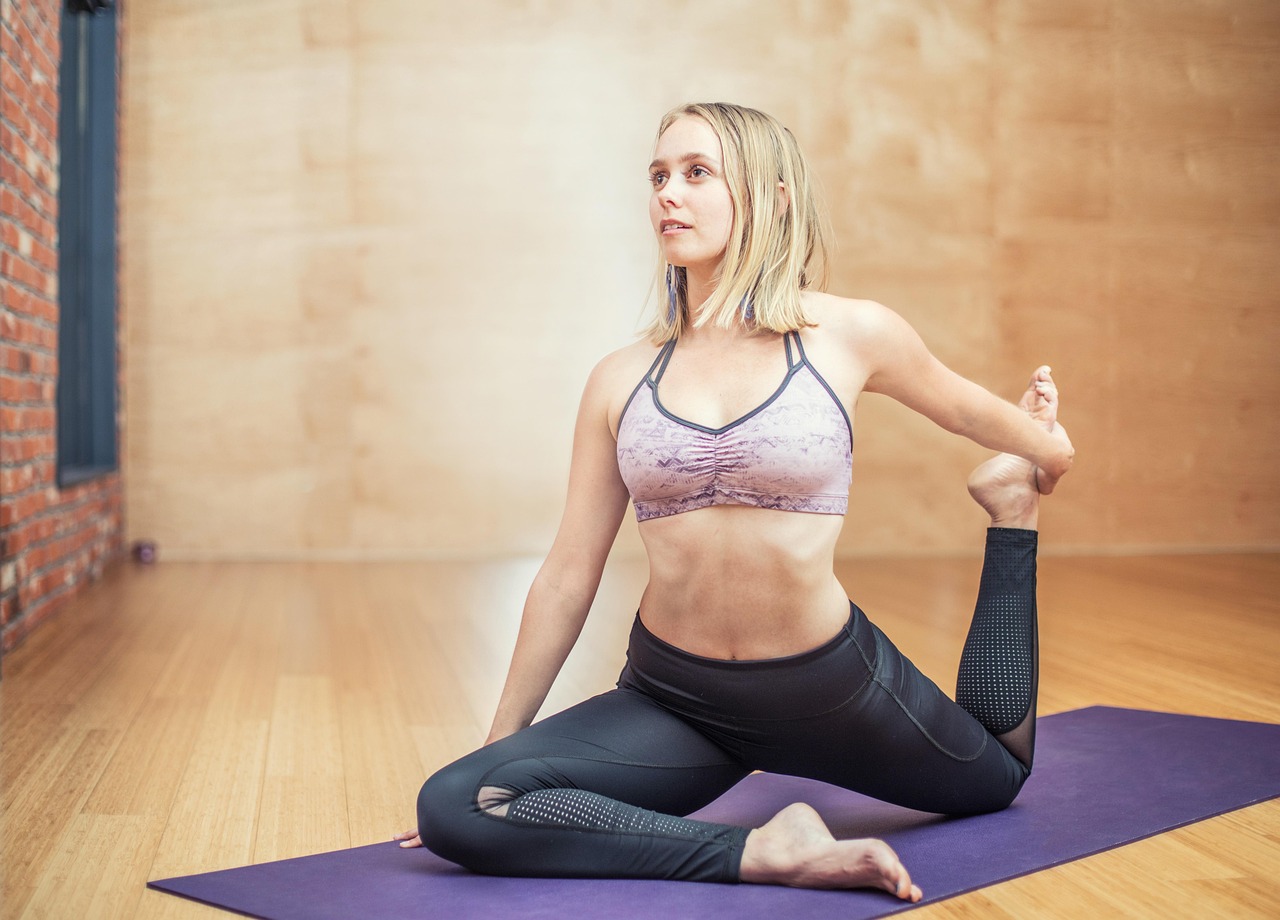

Gym Flooring for Yoga and Pilates: Softness vs Stability
When considering flooring options for yoga and Pilates, the balance between softness and stability is paramount. Both yoga and Pilates involve a range of movements that require a surface that can provide comfort without sacrificing essential support. Soft flooring options, such as foam or rubber, offer excellent cushioning for joints, making them suitable for sequences involving floor work. In contrast, stability is crucial for poses that require balance and strength. Traditional hardwood flooring, while aesthetically pleasing, fails to offer adequate grip and can lead to slippage in more dynamic practices. Therefore, selecting the right gym flooring for your workout can significantly influence how effectively you perform your movements. Additionally, it’s essential to consider the maintenance, durability, and aesthetic appeal of the flooring. The ideal choice should resist wear and tear while maintaining its looks over time. To that end, it’s beneficial to assess sample flooring materials at a local store or gym. This allows you to gauge their feel and performance according to personal preferences before committing to a purchase. Don’t forget to check reviews online to explore options that others have found satisfactory.
Yoga mats are essential for individual practice, but gym flooring plays a larger role in studio settings. Many studios invest in high-quality flooring that can help enhance the overall experience of their participants. There are various options available, including vinyl, rubber, and carpet tiles. Each of these surfaces carries distinct advantages. For instance, rubber flooring provides excellent shock absorption and is often used in facilities that host vigorous training sessions. Vinyl flooring, being easy to clean and maintain, is perfect for studios that see heavy foot traffic. Carpet tiles can offer a softer touch, yet they might not be the best choice for yoga as they could inhibit balance-related poses. Gym owners need to decide on which factor is more important: feeling softer during practice or having a stable connection to the ground. Consulting with professionals on flooring installation can yield long-term benefits. Choosing the right thickness is also vital, as a thinner surface could lead to discomfort during longer sessions, while a thicker surface could affect balance. All these considerations are essential before making a final decision on flooring type.
Durability and Maintenance Considerations
Durability is another critical factor when selecting gym flooring for yoga and Pilates studios. Investing in quality materials ensures that the flooring will withstand heavy use over the years. Most effective surfaces are designed to be both robust and abrasion-resistant, reducing the chances of damage from a range of workouts. When it comes to maintenance, floors that can easily be cleaned with simple soap and water are highly desirable. Regular cleaning not only extends the life of the flooring but also keeps the environment welcoming and hygienic for practitioners. Rubber and vinyl are favorites in this regard due to their non-porous properties, which prevent moisture from seeping in and causing mold or mildew. In contrast, harder surfaces such as hardwood may require specific cleaning solutions to maintain their appearance. Remember that different workouts may impose unique demands on flooring, so assessing the types of classes offered can guide your choice. Overall, prioritize options that combine durability with easy maintenance to ensure a pleasant and effective training environment.
Furthermore, considering the price range helps you identify what can be incorporated into your budget. Gym flooring materials can vary significantly in price and the initial cost of installation can sometimes deter owners from selecting high-quality options. However, it is essential to consider long-term benefits and cost-effectiveness. Investing in more durable materials may lead to savings on repairs and replacements in the long run. If finances are tight, exploring second-hand options for commercial-grade flooring might be an effective interim solution, provided that they meet hygienic and safety standards. Discounts and sales can also be beneficial for budget-conscious buyers. Don’t hesitate to engage with other gym owners or online communities for recommendations on affordable yet durable flooring solutions. Additionally, reaching out to manufacturers for bulk pricing might lead to significant savings. Regardless of which route you take, it’s critical to ensure that any investing in flooring aligns with the specific needs of your clientele and the types of classes offered in your facility.
Environmental Considerations
As the fitness industry becomes more eco-conscious, the choice of flooring must also consider environmental impact. Sustainable materials like cork or recycled rubber are growing in popularity among health-conscious gyms. Cork flooring, for instance, is not only biodegradable but also provides excellent cushioning; it’s the perfect choice for practitioners who prioritize an eco-friendly environment. Moreover, recycled rubber is made from scrap tires, offering durability and practicality without the environmental footprint. These materials do not compromise safety, comfort, or performance, making them viable options that benefit both people and the planet. Additionally, when selecting flooring, consider manufacturers who utilize environmentally safe adhesives and finishes. This prevents harmful chemicals from being introduced into the studio environment. Remember that a gym’s reputation can be bolstered by showcasing commitment to sustainability, which may attract a broader, more environmentally aware audience. Ultimately, choosing flooring that marries functionality with environmental responsibility aligns with current market trends and sets a strong precedent for community health and wellness.
Lastly, taking personal preference into account can be a game-changer in your flooring selection process. Whether you prefer the feeling of soft mats or reliable stability greatly influences your practice. Taking the time to test different types of flooring can provide invaluable insights. Consider how the surface makes you feel during various poses and movements. To help find the balance between softness and stability, it might be helpful to incorporate distinct areas within your yoga or Pilates studio, each featuring different flooring types. Doing this can allow instructors to guide participants to the areas best suited for their needs. Creating interactive spaces encourages exploration and promotes diversity in practice, enhancing the overall experience of the participants. Don’t forget to solicit feedback from guests and instructors periodically to assess how the flooring resonates with users. Adapting your approach based on their constructive criticism can only enhance the quality of the studio in the long run. Overall, understanding user preferences can shape effective decision-making concerning gym flooring for yoga and Pilates.
Conclusion
In conclusion, the decision surrounding gym flooring for yoga and Pilates embraces factors such as softness, stability, durability, and environmental impact. Prioritizing comfort helps foster a better connection between practitioners and their practice. Balancing different surfaces for various workout types can further enhance user experience while promoting individual preferences. It’s important to keep an eye on sustainable alternatives, as these choices align with the growing environmental movement. Additionally, regular maintenance cannot be overlooked. By maintaining cleanliness and consistent repairs, gym owners can significantly prolong the lifespan of their flooring. Understanding how each flooring solution meets different needs is paramount in creating an optimal training environment. Ultimately, the goal is to create a haven for practitioners, where they can find joy and effectiveness in their workouts. Continually engaging clients and seeking their feedback can bring invaluable insights into improving the studio’s environment. Make informed decisions about flooring types, drawing on both personal preferences and professional recommendations. Allow your gym to reflect the values you champion, creating a space that resonates well with your community, inspiring physical and mental well-being.
Choosing the right type of gym flooring can significantly influence your practice. Whether you opt for softer cushioning or better stability, understanding your needs is key. Take the time to explore options, ask questions, and test surfaces before making a final decision. With the right flooring beneath your feet, you can fully embrace the world of yoga and Pilates, enhancing both your physical and mental experience. Remember, every choice contributes to the overall atmosphere of your studio, impacting not just your practice but also those who share the space.