
Guided Swimming Meditation Practices for Stress Relief
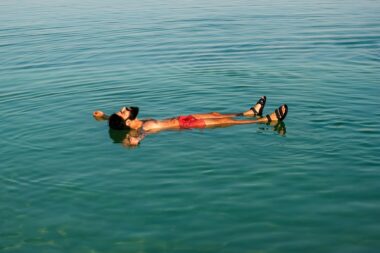
Swimming meditation integrates relaxation techniques within the soothing ambience of water. Individuals are encouraged to immerse themselves in water, allowing their body to move fluidly. This experience fosters a unique connection between the mind and body, enhancing one’s sense of tranquility. Begin by finding a serene pool or natural body of water, ensuring a safe environment. Before entering, take a moment to set your intentions for the session, focusing on releasing stress and negativity. Gradually submerge your body, feeling the water envelop you, creating a physical sensation of support and comfort. As you float, concentrate on your breath, inhaling deeply through your nose and exhaling through your mouth. This rhythm allows thoughts to drift away, creating mental space. Visualize negativity dissolving in the water, making room for positive energies. Swim gently or breaststroke; the motions should promote relaxation rather than exertion. Experiment with different strokes, finding what feels most soothing. Swimming meditation allows individuals to engage all senses, immersing in water’s unique qualities. This practice cultivates a peaceful state of mind, resulting in noticeable stress relief and enhanced well-being.
Utilizing guided imagery can significantly enhance your swimming meditation experience. A simple approach involves visualizing serene landscapes like calm lakes or tranquil oceans. Before starting your swim, close your eyes for a minute to picture yourself in these peaceful settings. Imagine how the water feels cool against your skin while the sun warms your face. Allow these images to guide your movements in the water. As you swim, immerse yourself in the tranquility of these landscapes, maintaining slow and rhythmic breathing. Each stroke should correspond with mental imagery of gentle waves lapping against the shore or soft currents flowing in harmony. This practice can engage your mind, subsequently minimizing intrusive thoughts. By centering your focus on these vibrant visuals, you create a component of mindfulness within your swimming session. If thoughts arise, acknowledge them and gently return your focus to your visualization. Your breath should be deep, orderly, aiding in relaxation with each moment spent in the water. An important aspect is to remember that meditation isn’t looking for perfection but rather experiencing the moment fully, enhancing peace of mind and alleviating stress.
Types of Breathing Techniques in Swimming Meditation
Breathing plays a crucial role in meditation, especially in swimming. Utilizing structured breathing techniques enhances the overall relaxation process. One effective method involves the 4-7-8 technique, which aids in calming the nervous system. To practice, inhale slowly through your nose for a count of four while underwater, hold your breath for a count of seven, and then exhale through your mouth for eight counts once you surface. Repeat this cycle throughout your swim session, assessing your comfort and rhythm. Another technique is to synchronize your breath with your strokes. Coordinate inhaling when your head turns to the side during freestyle strokes, ensuring your breath is deep and controlled. To achieve total relaxation, try to count your strokes while regulating your breathing pattern. This subtle counting serves to anchor your focus, discouraging wandering thoughts. Each breath should fill your lungs fully, filling your body with oxygen, cleansing your mind. Maintain awareness during these moments, allowing your exhalation to release tension. These focused breathing techniques elevate your swimming meditation to new depths of serenity and relaxation.
Mindfulness Practices in the Pool
Incorporating mindfulness into swimming meditation offers profound benefits. Focus on the present moment, appreciating the sensations within the water. As you swim, pay attention to how your muscles engage, how water moves around you, and the cadence of your breathing. Select a specific stroke, such as a gentle breaststroke, and emphasize the physical sensations associated. Feel the water gliding past your arms and legs, and be attuned to the rhythm of your movements. Mindfulness also encompasses noticing the surrounding environment; observe sounds, such as splashes or the soothing hum of water. Contemplate how sunlight dances on the water surface or how it sparkles in the air. Each sensation directs your focus inward, grounding you in the now. Should you start to feel overwhelmed by thoughts, acknowledge them but return your attention to your body and its interaction with water. This creates an anchor point that keeps you centered. Combining swimming with mindful practices improves your ability to cope with stress and increases overall well-being, nurturing a deep sense of peace.
Another recommendation is to establish a routine for your swimming meditation practice. Consistency is key when it comes to reaping the benefits of relaxation through swimming. Choose a specific time and frequency for your sessions, creating a habit that promotes mental and emotional health. Mornings may provide an energizing start to the day, while evenings can serve as a peaceful transition from the day. Aim for brief sessions of around 30 minutes to an hour, depending on your schedule. Ensure your chosen space is calm and inviting, free from disturbances, allowing you to connect with your meditation. You may also wish to maintain a gratitude journal to record reflections following your swimming sessions. Write down your feelings before and after each session, identifying shifts in mindset and emotions. This practice can assist you in recognizing your progress while also fostering self-awareness. Revisit your journal entries to appreciate how consistent swimming meditation improves your overall well-being, reducing stress significantly over time. Remember that each experience is part of your personal journey toward enhanced relaxation and mindfulness.
Benefits of Swimming Meditation for Stress Relief
Engaging in swimming meditation provides numerous benefits for stress relief. The physical act of swimming itself promotes relaxation through rhythmic movements and buoyancy. Floating in water reduces physical tension in the body, resulting in a soothing feeling that alleviates anxiety. Most importantly, swimming meditation unites physical and mental health into one practice, effectively addressing stress from multiple angles. The warm water, accompanied by mindful activities, establishes a sanctuary where individuals can nurture self-awareness. During sessions, swimmers become more attuned to their body signals, leading to increased clarity in emotions. Enhanced oxygen delivery to the body promotes emotional stability, serving as natural therapy for reducing symptoms of stress and promoting relaxation. Furthermore, being in water can trigger endorphin releases, elevating mood, and contributing additional positive effects. This unique combination of physical exercise with the meditative quality of swimming creates an impactful experience for managing stress and anxiety. It equips individuals with tools that can be beneficial in their everyday lives, enabling them to handle challenges with clearer minds and better emotional regulation.
In conclusion, swimming meditation serves as a practical and enjoyable method of achieving stress relief. The combination of mindful breathing techniques, visualization, and gentle swimming promotes relaxation in unique ways, appealing to a wide audience. It doesn’t require extensive training or equipment, allowing anyone to engage in the practice at their own pace. Moreover, swimming meditation connects individuals with nature, promoting physical well-being while decreasing tension collaboratively. By making this practice a part of your routine, you can witness noticeable changes in your emotional and mental health over time. It enhances self-awareness, allows for deeper connection to the present, and cultivates inner peace. This approach does not simply serve immediate benefits; it fosters a lasting impact on overall well-being. Engage with swimming meditation regularly to experience its advantages actively. Not only does this practice contribute to efficient stress relief, but it also encompasses the joy of movement within the water. Swimming meditation ultimately becomes a cherished ritual that encourages balance and harmony in life.
Creating a Personal Swimming Meditation Ritual
Developing a personal ritual around swimming meditation fosters deeper connections to your practice. Begin by creating an ambiance conducive to relaxation; this could be calming music or nature sounds playing softly in a nearby space. Prepare yourself with comfortable swim attire that makes transitioning into the water seamless. Consider bringing props like a floating mat, which allows you to rest both your body and mind as you float effortlessly. Ritualistically, you could perform simple stretches on the pool deck or the beach before entering the water. Settle your mind and focus on each movement, enhancing body awareness. Preparing a small swimming meditation playlist filled with relaxing tunes might also deepen the experience. As you become accustomed to this routine, inhaling serenity and exhaling tension will become second nature. This cultivation of consistency adds significance to your practice, ultimately encouraging you to approach it with intention. Celebrate your victories, big or small, by treating yourself to healthy nourishment after the session. This improves your physical body while also honoring your mental effort, reinforcing the positive effects of swimming meditation on your overall well-being.