
Best Supplements to Support Strength Training in Triathletes
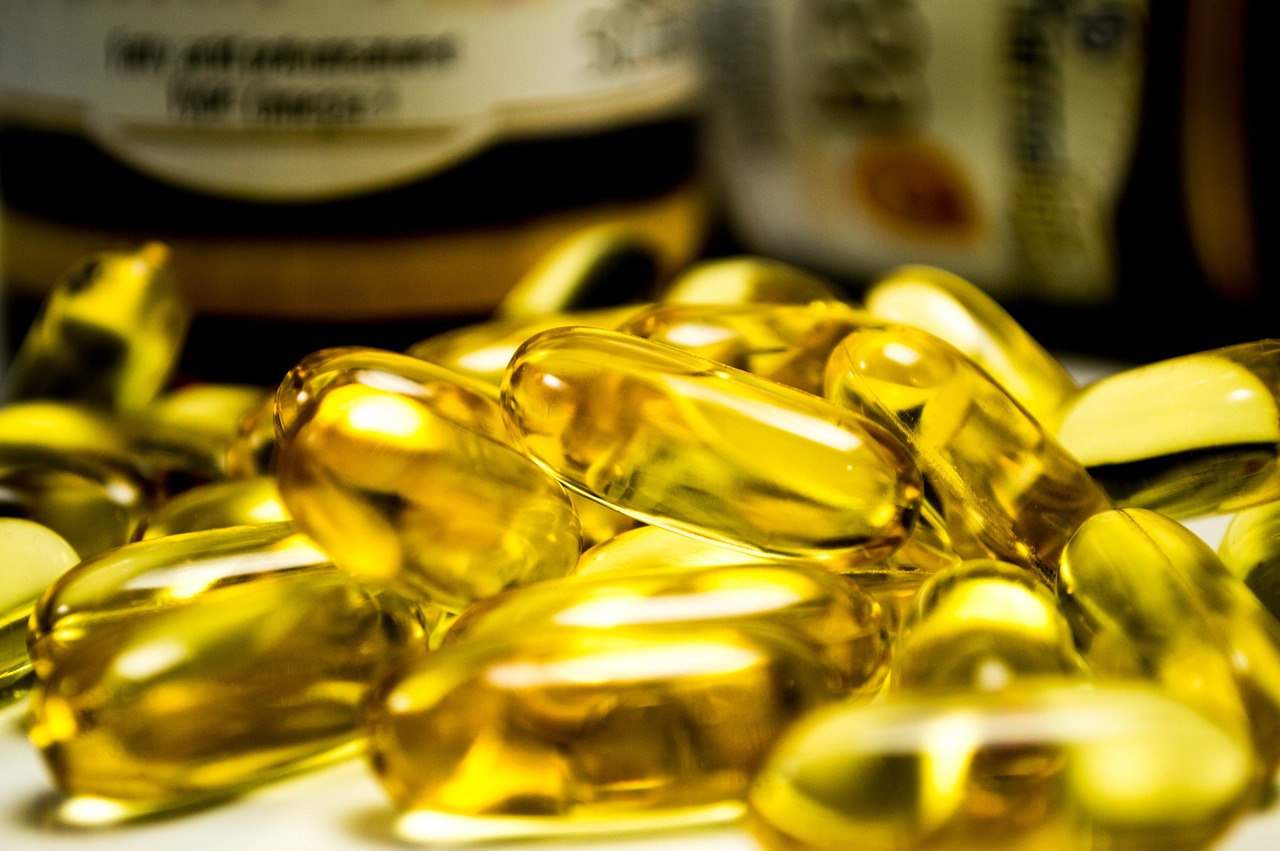
When it comes to strength training for triathletes, the right supplements can make a difference in performance and recovery. One popular supplement among athletes is protein powder, which helps muscle repair and growth after intense workouts. Whey protein, being a complete protein, is particularly favored due to its quick absorption. For those who prefer plant-based options, pea, rice, and hemp proteins offer excellent alternatives. Another essential supplement is creatine, which has been shown to enhance strength and power during high-intensity exercises. Creatine enables athletes to train harder and recover faster, leading to better overall performance. Additionally, branched-chain amino acids (BCAAs) can be particularly beneficial in reducing muscle soreness and fatigue, allowing triathletes to maintain their training routine consistently. Omega-3 fatty acids are also crucial for their anti-inflammatory properties, helping athletes recover from strenuous training. It’s also essential to ensure adequate electrolyte levels, which can be facilitated through electrolyte tablets during longer training sessions. Always consider consulting with a healthcare provider before adding new supplements to your regimen for the best advice tailored to individual needs.
The Role of Vitamin D
Vitamin D plays a significant role in the supplementation routine for triathletes. This vitamin is crucial for bone health and muscle function, essential for athletes who engage in high-impact training. A deficiency in vitamin D may lead to fatigue, muscle weakness, and an increased risk of injury. Sunlight is a primary source for vitamin D, but with many athletes training indoors, supplementation becomes vital. In addition to its benefits for bone strength, vitamin D can enhance the immune system, which is particularly beneficial for triathletes during peak training seasons. When considering supplementation, options like vitamin D3 supplements are preferred because of their effectiveness. Research suggests that adequate levels can lead to improved strength performance and recovery times. Furthermore, keeping up optimal vitamin D levels may enhance energy levels and overall mood, contributing to consistent performance. To ensure safety while supplementing, it is advisable to check vitamin D levels through a blood test. This provides guidance on necessary dosage while avoiding potential toxicity. Incorporating vitamin D with other supplements creates a comprehensive strategy for improving athletic performance while maintaining health and vitality.
Another group of important supplements for triathletes focusing on strength training is adaptogens. Adaptogens are natural substances that help the body adapt to stress and enhance performance. Notable examples include ashwagandha, rhodiola rosea, and ginseng. These adaptogenic herbs assist in reducing fatigue, improving endurance, and supporting recovery after intense physical exertion. Ashwagandha, for example, is particularly known for its ability to reduce cortisol levels, which can contribute to muscular recovery and reduce overtraining symptoms. Rhodiola rosea has been studied extensively for its impact on stamina and enhancing energy during workouts. Ginseng, on the other hand, provides a natural energy boost and has been linked to improved athletic performance. Using these adaptogens in conjunction with other training supplements can create a synergistic approach to physical conditioning. As with all supplements, it’s essential to start with small doses to assess how the body responds. Keeping a training journal may help track benefits and any side effects during supplementation. This approach ensures a safe and effective integration of adaptogens into a triathlete’s training regimen, promoting better overall performance and recovery.
The Importance of Hydration
Hydration is a vital aspect of triathlon training and should not be overlooked when discussing supplements. Electrolyte balance is crucial in maintaining hydration levels as triathletes sweat during long training sessions. Therefore, electrolyte supplements can play a critical role in replenishing lost minerals. Common electrolytes like sodium, potassium, and magnesium are necessary for muscle function and preventing cramps. Many athletes find that electrolyte drinks or capsules provide a more manageable solution compared to plain water during extended workouts. Furthermore, proper hydration contributes significantly to mental focus and overall energy levels during strenuous physical activities. Consuming electrolyte tablets can be practical, especially for endurance training, where hydration is essential for optimal performance. In addition to fluid intake, consuming fluids that replace electrolytes enables quicker absorption and optimal hydration. Athletes can avoid fatigue caused by dehydration, which affects strength and stamina. Integrating electrolyte supplements into their protocol ensures that triathletes can sustain their training intensity while keeping their hydration levels optimal. Experimenting with different sources of electrolytes can help find the best combination that suits individual needs and preferences.
Another often overlooked supplement for triathletes is beta-alanine. This amino acid plays a critical role in enhancing athletic performance by buffering lactic acid buildup in muscles during high-intensity exercise. By preventing fatigue, beta-alanine enables athletes to push through tough workouts, leading to improved strength and endurance. Many triathletes incorporate beta-alanine into their pre-workout routine to experience its benefits effectively. Studies show that it may lead to an increase in workout capacity and better recovery times post-training sessions. Additionally, the use of beta-alanine may help improve sprint performance during training and competitions, which can be crucial in a triathlon’s demanding environment. It’s essential to note that effects may take a few weeks to fully present as muscle carnosine levels increase, thus consistent use is imperative. Also, combining beta-alanine with other supplements like creatine can amplify benefits, allowing athletes to maximize workout intensity. As always, consulting a sports nutritionist can help determine the best combination and dosage tailored to individual training goals, ensuring that triathletes can optimize their strength training through informed supplement use.
Additional Considerations for Triathletes
When selecting supplements, triathletes must be aware of individual nutritional needs and establish clear training goals. While supplements can provide significant benefits, they are not a substitute for a balanced diet rich in whole foods. Incorporating nutrient-dense foods ensures that all vitamins and minerals are obtained naturally, supporting both performance and recovery. Whole foods like fruits, vegetables, lean proteins, and whole grains also provide necessary fiber that supplements alone may lack. It’s vital to conduct research on the quality of protein powders and other supplements. Not all products are created equal; choosing high-quality brands ensures that athletes are not consuming unnecessary fillers or contaminants. Reading labels and seeking third-party testing validation can guide informed decisions during purchases. Likewise, staying informed about new research and products can help triathletes adapt their supplement strategy adequately. Regularly reviewing nutrient intake through assessments or consultations with healthcare professionals promotes a proactive approach to athletic performance. When paired with a consistent training regimen and adequate rest, the thoughtful use of supplements could significantly benefit triathletes’ overall performance and strength training efforts.
The final point to remember is the importance of consistency in training and supplementation. For triathletes, maintaining a regular schedule that includes comprehensive strength training alongside appropriate supplements is crucial for maximizing performance gains. These supplements work best when used consistently over time rather than on an occasional basis. Athletes should incorporate their supplementation strategy into a well-structured overall training plan, which includes adequate recovery periods. Tracking training and supplement intake can help identify what works best for individual needs, leading to an optimized regimen. Additionally, staying dedicated to nutritional choices while training can significantly affect results. This journey is not solely about supplements; it involves a holistic approach encompassing training, diet, rest, and supplementation. Athletes who remain disciplined and patient in their training routine will experience gradual improvements over time. Setting realistic goals can help guide progress and maintain motivation throughout the journey. In summary, triathletes must view supplements as part of their broader training framework, ensuring they make informed choices for optimal athletic performance and strength training success.