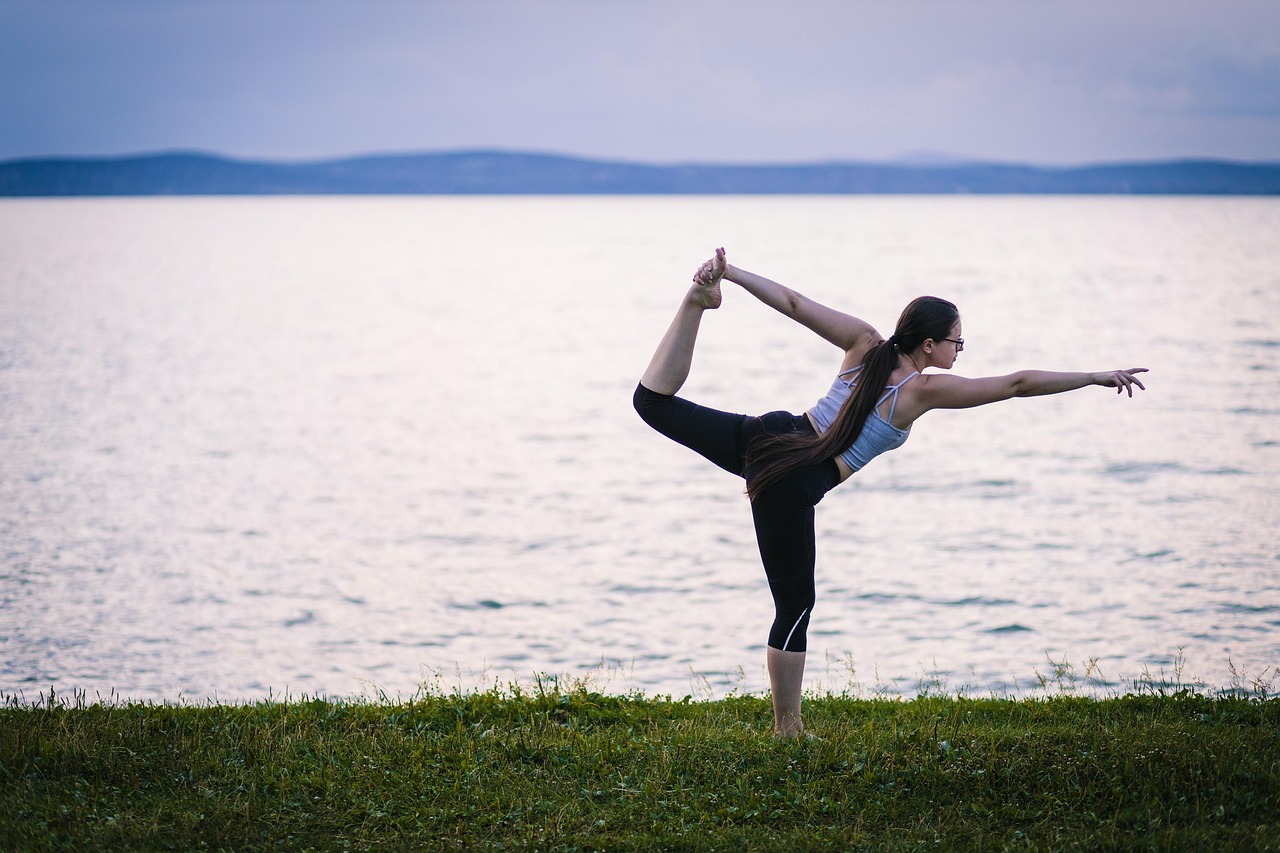

Ways to Incorporate Rest and Recovery While Traveling for Fitness Events
Traveling for fitness events can be both exciting and challenging. It’s crucial to balance training and competition with the necessary rest and recovery. Start by planning your travel schedule to include adequate time for rest. Aim to arrive at your destination a day or two early, allowing yourself to acclimatize and unwind. Utilize this time to find local fitness facilities, so you maintain your training without exhausting yourself. Staying hydrated is essential while traveling, as dehydration can significantly affect your recovery and performance. Carry a reusable water bottle and aim to drink water regularly. Listen to your body; if you feel fatigued, prioritize relaxation over workouts. Engage in gentle activities, such as walking or yoga. Furthermore, don’t skip meals; they provide the essential nutrients your body requires to recover and stay energized. Look for local restaurants that prioritize healthy options, particularly while exploring new cities. Nutrition plays a key role in maintaining your energy levels and promoting recovery, so prioritize wholesome meals that support your fitness goals seamlessly.
In addition to nutrition and hydration, consider incorporating active recovery techniques into your travel routine. One effective way to do this is by practicing stretching exercises, which can help alleviate muscle tightness that may result from sitting for extended periods during travel. Taking ten to fifteen minutes such as morning stretches can drastically improve circulation and ease any potential discomfort you might experience after long flights. Explore nearby parks or nature trails for light jogging or walking during downtime. Engaging in nature boosts both physical and mental health, promoting recovery. Consider investing in quality recovery gear, like foam rollers or resistance bands that provide you with options for self-myofascial release. If your destination offers local classes, such as yoga or Pilates, sign up to incorporate guided movement into your schedule. These sessions can help maintain flexibility and support overall recovery. Restorative yoga is especially beneficial for relaxation and muscle recovery during your travels. Don’t hesitate to pamper yourself post-event; a massage can rejuvenate tired muscles and promote faster recovery. Seeking self-care is crucial to balance the demands of travel and fitness competing.
Rest and Sleep Management
When attending fitness events, ensure that you prioritize sleep quality and duration. Quality sleep is vital for enhancing athletic performance and aids in the recovery process after training or competition. Sleep can be compromised while traveling, which can affect your overall performance. Create a comfortable sleeping environment by maintaining a consistent sleep schedule, even when traveling across multiple time zones. Use blackout curtains and earplugs, or try white noise apps to help you achieve deeper sleep during hotel stays. Limit exposure to screens a few hours before bedtime, as this also aids in achieving quality rest. If time zone changes affect your sleep, gradually adjust your sleep schedule a week before your trip. Investing in a travel pillow can also improve comfort during travel and associate comfort with sleep time at your final destination. Incorporate relaxation techniques before sleeping, such as meditation or deep-breathing exercises, to calm your mind and prepare your body for rest. These strategies collectively ensure that you maintain regular sleep and recovery routines, optimizing your overall performance at fitness events.
Another essential aspect of incorporating rest and recovery in fitness travels involves understanding your body’s signals and making adjustments accordingly. When you’re on the go, energy levels may fluctuate, and proper self-management becomes crucial. If you notice signs of fatigue or soreness, don’t hesitate to adjust your training intensity. This could mean scaling back workouts, taking planned rest days, or even opting for lower-impact activities. Activity modification can help in maintaining your fitness while allowing your body the time to recover effectively. Take advantage of downtime during travel to engage in leisure activities, juggling between sightseeing and fitness routines. Foster a touch of mindfulness by integrating relaxation practices, such as meditation, which can aid in mental recovery and relieve travel-related stress. Find a quiet corner in your hotel to meditate or use guided meditation apps. These practices refocus your mindset, promote relaxation, and ultimately lead to better recovery. Remember that rest and recovery are not signs of weakness but important elements in athletic longevity and performance improvement, especially while engaging in competitions away from home.
Utilizing Technology
Utilizing technology can significantly enhance rest and recovery while traveling for fitness events. Employ fitness tracking apps that not only monitor your workouts but also help track sleep patterns and recovery. These tools assist in understanding how your workouts influence your performance over time and offer valuable insights. Make use of integrated reminders for hydration and nutrition to ensure each aspect is accounted for throughout your travels. Wearable devices that count steps or monitor heart rates can indicate when your body needs rest, helping you stay in tune with your physical state. Consider virtual training platforms that provide guided workouts you can follow while on the road. This flexibility allows you to maintain an exercise routine without being confined to specific equipment or locations. Virtual coaching or stretching tutorials can also ensure you receive guidance outside of your usual training environment. Additionally, keep an eye on recovery-focused products such as massage guns, electrical stimulation devices, and compression garments. These tools can all enhance muscle recovery and facilitate relaxation after exertion, optimizing your performance and wellbeing while traveling.
Connecting with your community while traveling can also enhance rest and relaxation during fitness events. Engaging with fellow athletes can provide emotional support and camaraderie as you share experiences. Physical competitions often create networks where bonds emerge, allowing like-minded individuals to connect. Seek out local fitness groups through social media or community boards that may offer group exercise sessions, hiking, or yoga in picturesque settings. Participating in local classes or community events can add enjoyable experiences to your travel while supporting recovery through movement. Using group activities as a chance to explore local culture will broaden your horizons while being active. Additionally, consider reaching out to fitness influencers within your destination; they often offer insights into local places to train or aid recovery. Some might even host special classes that engage travelers within their communities. Building relationships both inside and outside your training sphere provides a support network that aids in recovery while also enhancing your personal and professional development while you travel for fitness.
Closing Thoughts on Recovery
In conclusion, traveling for fitness events may require you to advance your methods for integrating rest and recovery effectively. It is necessary to tailor your approach to meet the demands of travel while ensuring your physical well-being remains a priority. Balanced nutrition, hydration, and sleep hygiene should form the foundation of your travel health regimen. Emphasize self-awareness and listen to your body, allowing for adjustments to align with how you’re feeling during the journey. Use technology to your advantage in monitoring both performance and recovery, ensuring a holistic approach to your training methods. Connecting with local fitness communities can enhance the overall experience, allowing you to enjoy new locations while staying fit. Incorporate gentle activities, restorative practices, and innovative recovery solutions to create a seamless travel experience. Prioritizing rest and recovery is crucial, and doing so not only impacts your athletic performance but prolongs your fitness enthusiasm. Ultimately, embodying a well-rounded approach helps maximize your enjoyment, exploration, and success in each fitness adventure, no matter how far you travel.
Lastly, remember to celebrate your achievements, no matter how small they may seem. After all, participating in competitive events is about pushing your limits and enjoying the process. Taking time for reflection and appreciation will enhance your fitness journey and reinforce positive mental health. Engage in personal development alongside your physical endeavors, offering you a balanced experience overall. Accepting challenges and successful completion of events is already a win. Each travel experience can induce growth, exciting lessons, and a wealth of memories. Examine every phase of your journey, from preparation to competition and recovery, and use those perspectives to fuel future trips. Reflect on your experiences with gratitude to propel forward your fitness goals. In summary, focus on practical strategies that incorporate rest and recovery while seamlessly blending them into your workouts and travel plans. Finally, acknowledge your journey; it is a continuous cycle of challenges and rewards as you become more adept at navigating fitness events while traveling. Use this knowledge wisely and strive for improvement to enhance your overall experience!