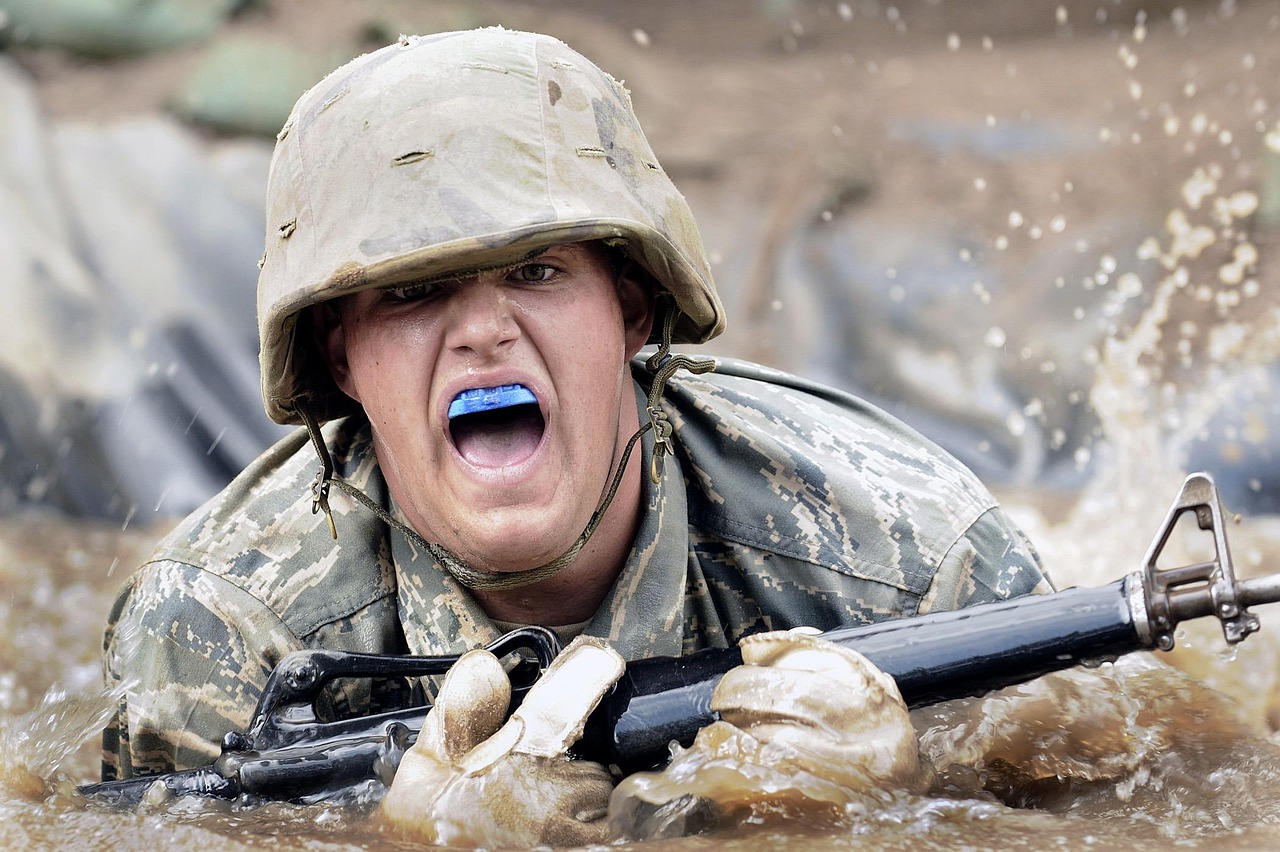

Martial Arts for Military Personnel: Building Strength and Discipline
Martial arts serve as an essential component in the training and development of military personnel. Engaging in martial arts not only enhances physical capabilities but also fosters mental fortitude and discipline. Each form of martial arts, such as Judo or Brazilian Jiu-Jitsu, provides techniques that improve both combat readiness and resilience. These systems focus on building effective responses under pressure, a crucial skill in military operations. Additionally, martial arts training promotes unity and teamwork, which is vital for operational success. Regular practice can augment physical strength, agility, and endurance, all of which contribute to the overall fitness required by soldiers. Exposure to diverse fighting techniques allows personnel to adapt and innovate in various scenarios, enhancing their effectiveness in the field. Moreover, martial arts facilitate stress relief and relaxation, counteracting the rigors of military life. Soldiers learn to effectively channel their aggression through disciplined training, enhancing emotional control. In summary, martial arts provide military personnel with vital skills that extend beyond mere combat techniques, cultivating strong, disciplined, and well-rounded individuals.
The Physical Benefits of Martial Arts Training
Physical conditioning is a fundamental aspect of martial arts training, providing numerous health benefits for military personnel. Engaging in martial arts helps improve cardiovascular fitness, strength, flexibility, and coordination. Participants are exposed to rigorous workout routines, which lead to enhanced muscle tone and physical endurance. Practicing techniques such as kicks, punches, and grappling increases overall body awareness and enhances reflexes. With a focus on various martial styles, including Karate and Taekwondo, soldiers can diversify their training, keeping routines fresh and engaging. This diversity promotes interest and helps sustain motivation over time. Furthermore, martial arts practice becomes a powerful tool in injury prevention through improved balance and body mechanics. As soldiers become more adept at movements, they reduce the likelihood of sustaining injuries during physical activities. Beyond mere body improvements, martial arts emphasize mental conditioning. Participants develop sharper focus and strategic thinking, essential skills in high-pressure situations. Soldiers often face unpredictable environments, making the adaptability of martial arts invaluable. In conclusion, martial arts training not only enhances physical capabilities but prepares military personnel for the rigors of service.
Martial arts training introduces soldiers to valuable self-defense techniques, making it an imperative part of their preparation. In military operations, the ability to protect oneself can mean the difference between life and death. Techniques learned from martial arts equip military personnel with skills to neutralize threats effectively. Awareness of one’s surroundings is a primary focus in various martial arts. Understanding distance, timing, and spatial awareness maximizes effectiveness in defensive strategies. This heightened awareness prepares soldiers for the unpredictable nature of combat scenarios they may encounter. Furthermore, martial arts teach situational control and how to manage one’s emotional responses. Soldiers learn to remain composed under pressure, allowing them to make sound decisions swiftly. Practical application of these techniques during training scenarios enables a smoother transfer of skills to real-life situations. Engaging in sparring exercises sharpens tactical thinking, enabling personnel to address dynamic combat challenges creatively. The integration of mental and physical elements in martial arts training underscores the importance of discipline, focus, and commitment. As soldiers cultivate these attributes, they not only become proficient fighters but also develop as individuals capable of tackling diverse challenges.
Mental Fortitude: The Psychological Advantages
Mental fortitude represents a crucial aspect honed through martial arts training for military personnel. The ability to maintain focus and composure under stress is vital for effectively executing missions. Martial arts training fosters resilience by pushing individuals beyond perceived limits. Practitioners learn to embrace discomfort, developing the psychological stamina needed in high-stakes situations. This training often involves confrontational drills that encourage overcoming fear and self-doubt. Regular exposure to challenging scenarios cultivates confidence, empowering soldiers to tackle obstacles fearlessly. Moreover, martial arts facilitate enhanced problem-solving abilities. During training, individuals are faced with unpredictable circumstances requiring quick, effective reactions. This learning process sharpens critical thinking and adaptability, allowing soldiers to strategize effectively in real combat scenarios. The reflective aspect of martial arts also encourages self-improvement. As soldiers analyze their performance, they identify strengths and areas for growth, reinforcing a mindset aimed at continuous development. Ultimately, the benefits of martial arts extend far beyond physical prowess, strengthening the mental framework necessary for success in demanding military environments.
Building Discipline and Respect Through Martial Arts
Discipline and respect are foundational principles ingrained through the practice of martial arts. For military personnel, these virtues are essential, significantly influencing their effectiveness in the field. Regimens require consistent attendance, punctuality, and dedicated practice—core elements that align closely with military values. Soldiers learn to respect their instructors, training partners, and themselves, fostering a culture of camaraderie and teamwork. The hierarchical structure present in most martial arts classes mirrors the rank system in the military. This structure reinforces respect for authority while encouraging mutual support among peers. Additionally, the achievement of belts or certificates instills a sense of accomplishment. This progressive system motivates soldiers to strive for excellence while embodying perseverance and hard work. Each rank signifies not only skill enhancement but also an acknowledgment of accompanying responsibility. Understanding this connection enables military personnel to appreciate the importance of commitment. Furthermore, the act of humble learning cultivates a spirit of improvement and humility. This combination of discipline and respect develops soldiers into responsible leaders capable of making sound judgments under pressure, therefore enhancing overall operational efficiency.
Team dynamics and cooperation are vital attributes cultivated through martial arts training for military personnel. In many martial arts disciplines, paired exercises and group drills emphasize the importance of collaboration. Soldiers become accustomed to working closely with teammates to achieve common goals. This collaboration promotes trust and enhances communication skills, both essential for effective military operations. Learning to work cohesively under challenging circumstances fosters a strong sense of unity. The idea of collective growth encourages soldiers to support one another, sharing knowledge and refining techniques. Moreover, martial arts training involves competitive elements, such as tournaments. Engaging in competitions sharpens both individual and group skills. These friendly encounters provide a safe environment for soldiers to assess their abilities against varying opponents. This experience can boost confidence while simultaneously illustrating the need for adaptation and strategy. Through these trials, soldiers develop resilience, embracing both victories and setbacks as opportunities for improvement. The supportive atmosphere cultivated during martial arts fosters a sense of belonging. In conclusion, martial arts offer invaluable experiences that emphasize teamwork, establishing a strong foundation for military personnel in their respective roles.
Long-Term Benefits Beyond Military Service
Engaging in martial arts offers long-lasting benefits, extending beyond military service for personnel. While training instills essential skills useful in combat scenarios, the lessons learned carry significant value into civilian life. Many skills acquired through martial arts—such as self-discipline, respect, and mental resilience—remain applicable in various situations outside the military. Former soldiers often find that their enhanced physical fitness aids in leading healthier lifestyles post-service. In addition, the confidence cultivated in martial arts assists in transitioning to civilian roles, particularly in high-stress environments. Adaptability developed through martial arts training proves advantageous in dynamic work settings. Understanding diverse perspectives gained through martial arts also fosters better interpersonal relationships, enhancing teamwork. The strong sense of community among martial artists often translates to connections that support personal and professional growth. Furthermore, martial arts offer a means of keeping fit and engaged with local communities, helping former personnel maintain a sense of belonging. Many find purpose in teaching martial arts, sharing their passion while inspiring a new generation. Ultimately, martial arts serve as a powerful tool for military personnel, providing lifelong benefits in various aspects of life.