
Building Team Sports Skills Throughout the Seasons
Building team sports skills in kids and teens is essential for their physical development and social interaction. Introducing various sports throughout the seasons provides a fantastic opportunity for young athletes to learn teamwork, discipline, and sportsmanship. By engaging them in different activities during each phase of the year, children not only keep fit but also enjoy diverse experiences. For example, fall is ideal for sports like soccer and cross-country running, which develop endurance and agility. As winter arrives, consider indoor activities like basketball or volleyball that emphasize coordination and quick thinking. In spring, sports like baseball or track events allow kids to refine their skills outdoors. Finally, summer sports such as swimming and tennis can improve overall fitness and maintain engagement. Parents and coaches should encourage enthusiastic participation, focusing on skill-building rather than just competition. It is important to recognize each child’s unique development pace and interest level. By fostering an inclusive environment that nurtures growth, kids can become well-rounded athletes.
The Benefits of Multi-Sport Participation
Participating in multiple sports offers numerous benefits for kids and teens looking to improve their fitness and sports skills. By engaging in various activities throughout the year, young athletes can develop a diverse range of skills. Multi-sport participation not only helps in improving cardiovascular health but also reduces the risk of injury and burnout. When youngsters practice different sports, they learn to adapt their skills and improve overall athleticism. Moreover, playing different sports allows children to discover their interests, including team dynamics, strategies, and leadership opportunities. Engaging in team sports cultivates essential life skills such as communication, collaboration, and the ability to work towards common goals. In addition, children can develop friendships through these shared experiences, contributing to their socialization and emotional well-being. It is crucial for parents and coaches to support multi-sport participation. They should encourage athletes to explore various sports, emphasizing the importance of personal growth and enjoyment over competition. This approach fosters a lifelong love of physical activity and sports, establishing healthier habits for the future. Overall, promoting multi-sport involvement can lead to well-rounded athletes.
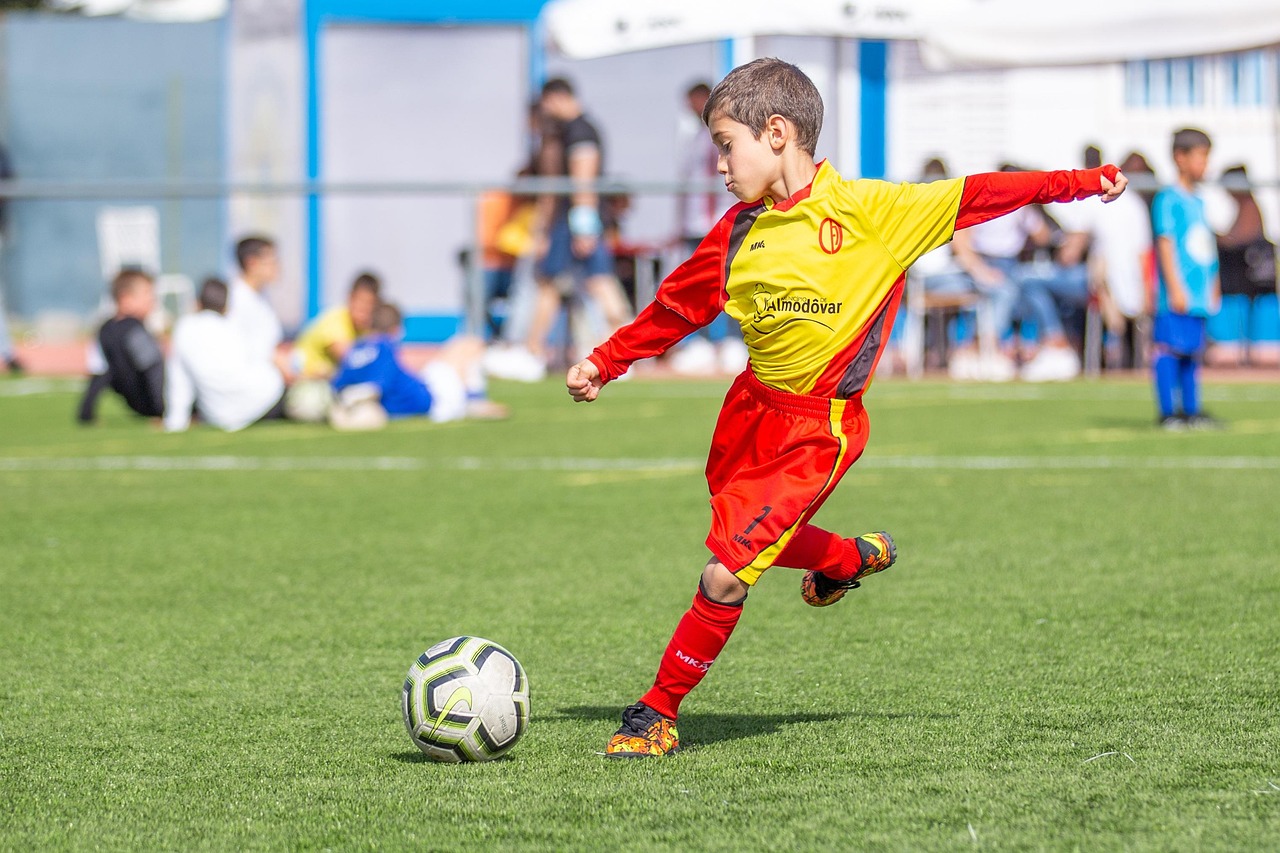
During the fall season, a variety of team sports can be played to enhance skills and promote fitness among children and teens. Popular choices include soccer, field hockey, and cross-country running. Soccer, for instance, is a great way to develop agility, coordination, and balance while encouraging teamwork. It allows young players to work together to achieve a common goal, fostering camaraderie and mutual support. Furthermore, field hockey emphasizes quick decision-making and reinforces hand-eye coordination, which young athletes can apply to other sports as well. Lastly, cross-country provides an excellent opportunity for endurance training, enabling kids to challenge themselves while maintaining social interactions with teammates. As the fall season progresses, practices and games can be a great source of excitement and motivation. Coaches should focus on skill development for each sport while ensuring children understand the importance of sportsmanship and teamwork. Encouragement and positive reinforcement play crucial roles in this learning phase. To keep kids engaged, parents can also participate in family-friendly fall sports events. The fall season can truly be an unforgettable experience, combining the joy of physical activity with valuable life lessons.
Winter Sports for Skill Development
As winter arrives, numerous indoor and outdoor sports can help kids and teens improve their skills while staying active and engaged. Team sports like basketball and indoor soccer can be played in gyms, allowing players to focus on ball handling, shooting techniques, and teamwork. Basketball, in particular, hones coordination, agility, and strategic thinking, while indoor soccer emphasizes footwork and quick decision-making. Additionally, winter sports such as swimming, gymnastics, and wrestling provide excellent opportunities to enhance strength and flexibility. Swimming is a low-impact activity that builds endurance, whereas gymnastics fosters balance, strength, and mental discipline. On the other hand, wrestling emphasizes physical fitness and self-defense skills. To maximize skill development during winter, coaches should encourage athletes to work on their individual strengths while participating in team practices. Group activities and challenges can help build camaraderie among teammates, creating a more enjoyable experience. Engaging young athletes in various winter sports contributes to their overall growth, both physically and emotionally. By promoting balanced participation across different disciplines throughout winter, coaches and parents can increase kids’ interest in pursuing long-term fitness.
In the spring, a diverse range of sports can be embraced to cultivate fitness and skills among kids and teens. Traditional options like baseball, softball, track and field, and soccer offer unique experiences and opportunities to develop abilities. Baseball and softball provide efficient avenues for enhancing hand-eye coordination, teamwork, and strategic thinking. Players need to communicate well with teammates and develop their individual skills concurrently. Track and field events significantly improve cardiovascular fitness and overall endurance, while enabling participation in diverse skill-based competitions. Children can explore various track events, such as sprints, relays, and distances, that cater to their strengths and interests. Also, spring sports encourage outdoor activity, positively affecting mental well-being. To promote engagement, coaches can organize friendly competitions between teams, focusing on improvement rather than solely athletic performance. Parents should be actively involved, cheering players on and providing emotional support during games. Encouraging sports participation during the spring fosters lifelong fitness habits and instills essential values like teamwork and perseverance. By embracing the excitement of spring sports, kids and teens can experience personal growth while having fun with their peers.
Summer Activities that Promote Fitness
The summer season presents ample opportunities for sports and fitness activities for kids and teens. Engaging in outdoor sports such as swimming, tennis, and soccer fosters essential physical skills while promoting fitness. Swimming is particularly effective in building cardiovascular endurance and muscle strength, providing a full-body workout while being low-impact. By enrolling children in swimming classes or local swim teams, parents can ensure they stay active during the warm summer months. Tennis, another excellent way to sharpen coordination and agility, encourages strategic thinking and fosters interpersonal skills as it requires communication when playing doubles. Additionally, organizing soccer leagues during the summer allows kids to maintain their ball-handling and teamwork skills. Summer camps can also provide kids with exposure to various activities, ranging from hiking to cycling, helping them discover new interests. By encouraging participation in summer sports, parents and coaches can cultivate a sense of adventure and wellness in their children. Summer fitness activities not only keep kids physically engaged but also inspire them to make healthy lifestyle choices that can last a lifetime. Fun experiences lead to positive associations with sports, promoting ongoing participation.
To wrap up the seasonal focus on team sports skills, it’s essential to ensure kids and teens understand the importance of year-round fitness. Providing opportunities for continuous participation across different sports allows for a holistic development of physical abilities. Emphasizing the significance of setting goals, practicing regularly, and working together as a team helps foster a conditional mindset towards fitness. Coaches play a crucial role by motivating players, offering constructive feedback, and creating a supportive environment that encourages personal responsibility. By incorporating skill assessment and progress tracking, young athletes can measure their improvement and stay motivated. Furthermore, it is essential to address the mental aspect of sports, teaching athletes to cope with stress and setbacks. Parents can reinforce their children’s learning by discussing the value of effort over outcome. Leaving space for honest discussions about goals, frustrations, and triumphs strengthens the athlete-parent relationship. Lastly, creating a culture of celebration around achievements, big or small, can promote a healthier attitude towards competition. Ultimately, by embracing this year-round fitness philosophy, families can help ensure a positive and enjoyable sporting experience for young athletes.