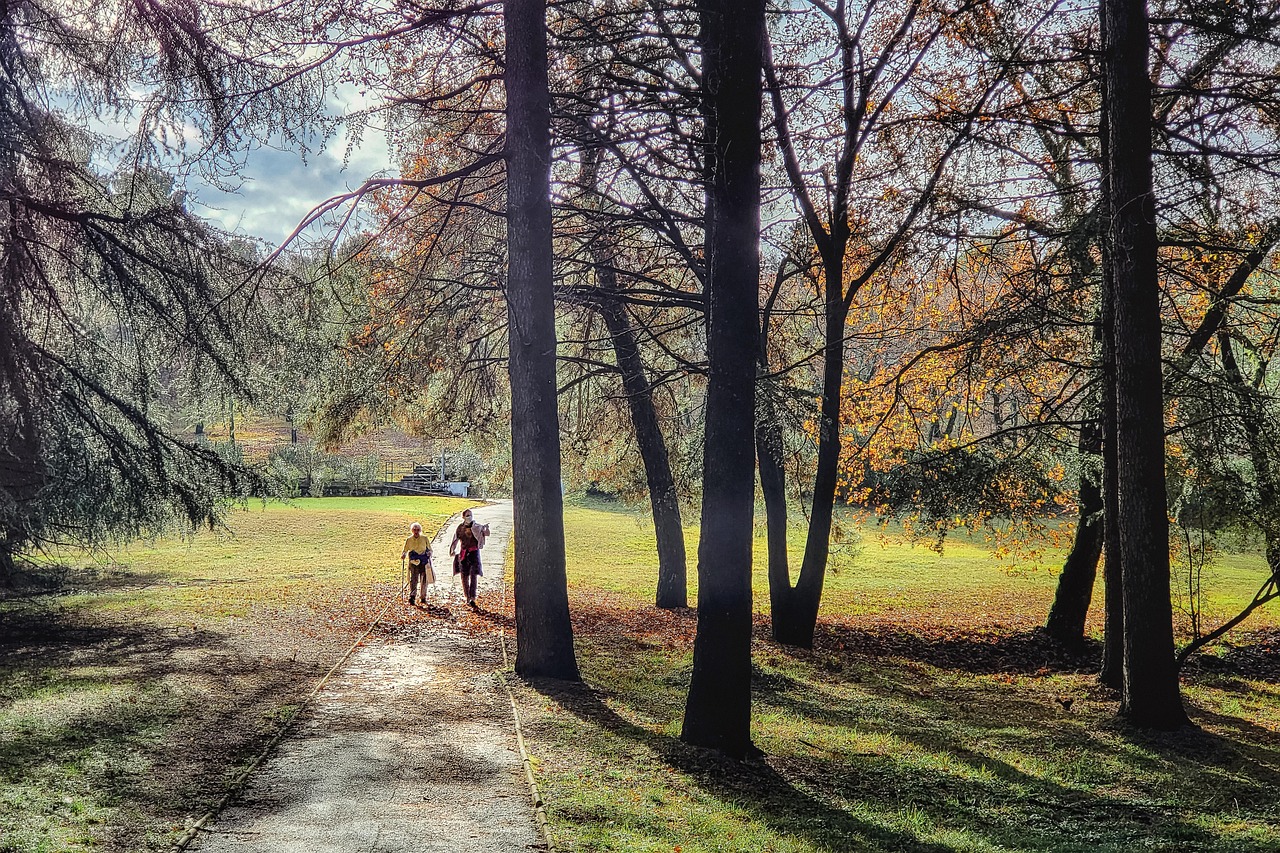

The Impact of Walking on Sleep Quality in Aging Adults
As people age, sleep patterns often change due to various factors, including health conditions and lifestyle choices. Engaging in regular physical activity, such as walking, can significantly impact sleep quality. Studies indicate that older adults who walk regularly report improved sleep duration and reduced sleep disturbances. This improvement can be attributed to the physical exertion that walking provides, which helps to expend energy and promotes deeper sleep. Furthermore, walking in natural environments, such as parks or trails, can enhance mental well-being by reducing stress and anxiety, both of which are known to negatively affect sleep. Additionally, incorporating walking into daily routines can lead to better cardiovascular health, which itself is linked to improved sleep. It’s recommended to aim for at least thirty minutes of moderate walking most days of the week. Not only does walking aid in achieving a restful night, but it also contributes to overall physical fitness. Therefore, older adults should integrate walking into their lifestyles as a simple yet effective strategy to enhance sleep quality and overall health.
One of the primary reasons walking positively affects sleep is due to its ability to regulate circadian rhythms. The natural light exposure experienced during daytime walks influences the body’s internal clock, promoting alertness during the day and facilitating a more restful night’s sleep. This process is particularly important for aging adults, whose circadian rhythms may become disrupted. Adjustments to daily routines, such as taking morning walks, can enhance exposure to natural light, which supports healthy sleep patterns. Furthermore, regular walkers often experience improved mood and reduced feelings of depression, which are highly correlated with sleep quality. Incorporating leisurely walks with friends or family not only provides emotional support but also creates a social bonding experience that further alleviates stress. Senior community centers and local parks often host walking groups that encourage participation and foster a communal atmosphere. Walking outside allows seniors to appreciate natural vistas, lending additional psychological benefits. This increase in social engagement, combined with physical activity, holistically prepares older adults for better sleep through improved mental and emotional health.
Another critical aspect of the relationship between walking and sleep quality lies in the management of chronic pain and health conditions. Many older adults contend with ailments like arthritis, which can interfere with sleep. Regular walking, especially at a moderate pace, has been shown to enhance joint mobility and reduce pain sensation. When discomfort diminishes, it becomes significantly easier to achieve restful sleep. Additionally, walking can assist in weight management, helping prevent obesity-related sleep disorders such as sleep apnea. Engaging in walking can foster a sense of control over health challenges, promoting positive lifestyle changes essential for aging well. Furthermore, walking provides an opportunity for mindfulness, allowing participants to focus on their bodies and their surroundings. This mental engagement can ease racing thoughts, making it easier to transition into sleep when evening arrives. Establishing a nighttime routine centered around walking may also cue the body for sleep by signaling that it is time to wind down. Hence, such routines can cultivate better sleep hygiene practices that nurture both physical and mental wellness in older adults.
Social and Mental Benefits of Walking
Beyond the biological implications, walking offers numerous social and mental benefits that further enhance sleep quality. Many seniors find joy in walking with peers, reinforcing social connections critical for emotional well-being. Social interactions during walks serve as a form of support, reducing feelings of loneliness that can contribute to insomnia. The act of conversing and sharing experiences with others enhances mental stimulation, creating a positive feedback loop where enhanced social health leads to better sleep quality and vice versa. Additionally, regular physical activity can lead to improved cognitive function, reducing fatigue attributed to daytime drowsiness. Engaging in low-impact exercises like walking tends to be sustainable over time, which encourages consistency. Research has shown that older adults who maintain an active lifestyle are more likely to experience less cognitive decline. As cognitive and social engagements increase, seniors can build a more enriching routine centered around walking, thereby enhancing their enjoyment of life. This enriched lifestyle promotes better sleep, revealing a complex interplay where physical activity actively contributes to a healthier mental outlook and improved sleep hygiene.
Nutrition and hydration play crucial roles in sleep quality, and walking can further support better dietary habits among aging adults. Regular exercise is often associated with improved appetite regulation, leading to healthier food choices that provide essential nutrients for better sleep. For instance, foods rich in magnesium, such as nuts and seeds, can improve sleep quality. Additionally, walking will stimulate hydration awareness, encouraging seniors to drink sufficient water throughout the day. Proper hydration enhances physical activity, stamina, and well-being. Incorporating a walking routine opens opportunities for more intentional choices about nutrition and hydration that support sleep. Moreover, walking may reduce cravings for unhealthy snacks, paving the way for a balanced diet that promotes restful sleep. This aspect highlights the interconnected nature of physical activity and nutrition, creating a favorable environment for sleep quality. Conversely, maintaining a healthy diet can provide the necessary energy for seniors to engage in walking. This feedback loop illustrates that as older adults embrace walking into their lives, they may find themselves making healthier choices that further enhance sleep quality.
Creating a Walking Routine for Better Sleep
To maximize the benefits of walking on sleep quality, creating a structured routine is essential. A consistent walking schedule can reinforce the body’s internal clock, connecting physical activity with intended sleep patterns. Experts recommend planning walks at the same time each day, ideally in the morning or early afternoon. This consistency allows the body to anticipate both activity and rest, establishing a rhythm conducive to better sleep. Incorporating variety into walking routes can also enhance the experience, keeping it engaging and appealing. As older adults explore different environments, they will naturally encounter various stimuli that promote positive emotions. Walking in green spaces, for example, has been linked to reduced stress levels. Furthermore, it helps highlight the importance of balancing walking with adequate rest, emphasizing the need to listen to one’s body. Adjusting walking pace or consulting health professionals for tailored guidance can ensure that individuals enjoy walking while avoiding injury. In summary, a thoughtful approach to developing a walking routine can yield significant benefits, cultivating a healthy lifestyle that facilitates restful sleep.
In conclusion, walking emerges as an invaluable tool for enhancing sleep quality in aging adults. Through various physical, mental, and social benefits, regular walking can profoundly influence one’s overall well-being. Improved sleep reduces stress and anxiety, leading to a more intentional lifestyle centered around health. Regular engagement in walking not only supports physical fitness but also nurtures social connections essential for emotional health. A combination of well-planned routines, nutritional awareness, and active engagement in the community reinforces sleep hygiene and ensures that aging adults can maintain optimal health as they navigate the years. In light of the myriad benefits, it comes highly recommended for older adults to embrace walking as a key facet of their daily lives. By establishing consistent walking practices, they can create an environment where better sleep becomes a natural outcome. Therefore, the journey of walking serves as a pathway towards improved sleep and overall health, extending its benefits beyond the difficulties many encounter with aging, providing hope for healthier and more fulfilling lives. Walking should not only be seen as activity but as a holistic approach to living well.