
Preventing Injury While Strength Training During Pregnancy
Strength training can be a beneficial practice for pregnant women, providing many advantages such as improving physical fitness and boosting mood. However, it is essential to understand how to prevent injuries during this period. Ignoring body signals can lead to complications, such as strains or joint pain. Therefore, a well-structured strength training regimen focused on safety is critical. Always prioritize core stability and balance as your center of gravity changes throughout pregnancy. Modifying workouts to accommodate your evolving body is paramount. Embrace exercises suitable for your trimester by incorporating low-impact options into your routine. Consult with a healthcare provider before starting any exercise program, particularly if you have pre-existing conditions. Understanding proper techniques and using appropriate weights can further reduce injury risks. Stay hydrated and listen to your body during workouts. If you feel discomfort or unusual symptoms, stop and reassess your exercise routine. Your well-being and that of your baby should always come first. Maintaining a strong connection between your mind and body will help you navigate this unique journey with confidence. Remember, the goal is to stay healthy and safe while benefiting from strength training during pregnancy.
As your pregnancy progresses, it becomes increasingly important to adapt your strength training program. The body undergoes vast physical changes, affecting how you should exercise. Many women may experience fatigue, hormonal shifts, and various physical discomforts. Consequently, your workout routine may need to shift toward lower intensity exercises. Entry-level movements focusing on body weight, resistance bands, and light dumbbells can maintain strength without taxing the body. Prioritize flexibility and mobility exercises to relieve tension as the body expands. Adjusting workout frequency will also help manage energy levels. Incorporating short workouts multiple times a week may be more effective than long sessions. Always pay attention to your breathing during exercises, especially those focusing on larger muscle groups. Incorporate yoga and stretching, as they help in maintaining flexibility, promote relaxation, and can alleviate some discomfort associated with pregnancy. Listen to your body; if an exercise feels uncomfortable, modify or substitute with a more suitable option. Gradually increase the intensity as you feel confident. Participating in prenatal fitness classes or working with a specialist can provide guidance and support throughout this transformative journey.
Core and Stability Training
Focusing on core strength during pregnancy is vital as it helps support the growing belly and stabilize your body. A strong core aids in maintaining proper posture, which may alleviate back pain and promote overall balance. Include exercises that strengthen the abdominal muscles, back muscles, and pelvic floor safely. Options like modified planks, bird dogs, and seated leg lifts are excellent for targeting these areas. Always avoid exercises that require you to lie flat on your back after the first trimester, as this position may impede blood flow to the baby. Instead, opt for movements performed on your side or standing. Utilizing resistance bands can enhance workouts by providing additional support and enabling controlled movements without excessive strain. Focus on supervised strength training routines like stability ball exercises, which can enhance balance, flexibility, and strength simultaneously. Emphasize slow, controlled movements that promote safety and effectiveness. Incorporating breathing techniques during exercises can enhance focus and relaxation, allowing for a more pleasant workout experience. Adapting intensity and ensuring proper alignment will create a balanced approach to core and stability training.
Consider holistic approaches to strength training while pregnant, focusing on mind-body connections. Connecting with your body will help you be aware of its changing needs. Practices like mindfulness and meditation can be beneficial in fostering this connection. As you strengthen your body, don’t underestimate the effects of positive thinking on exercise. Setting realistic fitness goals can encourage consistency. Celebrate small achievements, whether that means completing a workout or improving your grip strength. Furthermore, discuss your fitness journey with other moms-to-be or join a local support group or online community. Sharing experiences and tips can provide motivation and reassure you, alleviating potential anxieties regarding exercise during pregnancy. Along this journey, nutrition plays a crucial role in ensuring you have the energy for workouts. Consume nutrient-dense foods to support physical activity, and don’t forget to hydrate before, during, and after exercising. Always include healthy sources of protein, vitamins, and minerals for both you and your little one. A balanced diet, combined with a thoughtful exercise regimen, fosters overall wellness during this significant stage.
Posture and Movement Mechanics
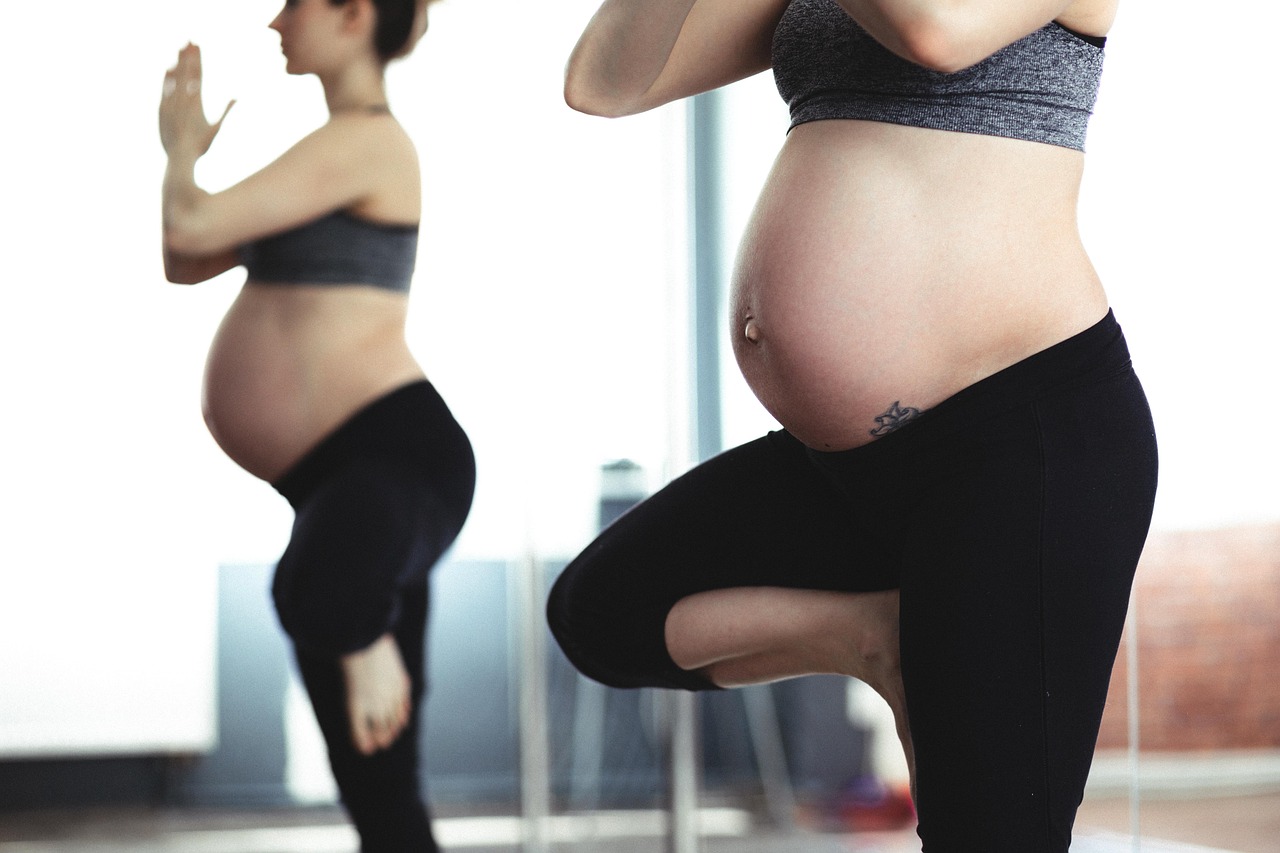
Maintaining proper posture and movement mechanics during pregnancy is vital for injury prevention while strength training. Pregnant women often experience shifting center of gravity due to the growing belly. Therefore, focusing on alignment while performing exercises is critical. Ensure your shoulders are relaxed and aligned, with your core muscles engaged for support. Additionally, always bend your knees instead of your back when lifting weights or performing any physical activity to protect your spine. Prioritize warm-up routines to prepare your body for workouts and cool-down stretches to assist recovery. Pay close attention to how common movements may feel differently as your pregnancy progresses. Seek out proper demonstrations or instructional videos to ensure optimal execution of exercises. Using mirrors or having someone observe your form can provide real-time feedback. Consider engaging a professional trainer experienced with pregnancy-specific workouts to guide you through your journey safely. Emphasizing technique over weight lifted will make a significant difference in preventing injuries during this sensitive evolutionary phase in your life.
Strengthening the pelvic floor muscles is essential for pregnant women, as it helps support bladder and uterine functions throughout pregnancy. These exercises can also help prepare for childbirth and recovery afterward. Incorporating kegel exercises can markedly improve pelvic floor strength, maintaining control over muscles impacted by hormonal changes. Enhance the effectiveness of kegel exercises by making them part of your daily routine, focusing on your breathing during each repetition. Besides kegel exercises, Pilates is an excellent gateway to greater pelvic strength and flexibility. Seek out prenatal Pilates classes or follow videos designed specifically for pregnant women. Balancing exercises targeting the pelvic floor alongside general strength training will establish a well-rounded workout routine. Maintaining these core pillars offers long-term benefits related to post-birth recovery. However, always ensure you listen to your body and avoid overexertion or discomfort. Lastly, avoid high-impact activities that could jeopardize the pelvic floor through excessive strain. Being mindful of this area will enhance your strength training experience and ultimately support your overall well-being during pregnancy and beyond.
Consulting Professionals and Resources
Consulting professionals who specialize in prenatal fitness before beginning a strength training program is crucial for preventing injuries during pregnancy. Qualifying trainers can tailor workouts suitable for your individual needs and requirements, considering all safety precautions. Discuss any medical history or concerns with your healthcare provider, ensuring a safe and effective approach toward strength training. Seek resources that provide evidence-based information focused on pregnancy exercises. Websites, books, and prenatal classes can also guide you in creating a balanced routine. Many communities offer fitness programs for pregnant women, promoting a supportive network. These resources reinforce shared interests with other expectant mothers while ensuring safer practices surrounding strength training. Keep an eye out for any red flags indicating the need to pause or modify your training. Symptoms such as fatigue, dizziness, and pain should prompt you to reevaluate your regimen. Maintaining ongoing communication with fitness professionals can keep you accountable in managing your workout plan throughout your pregnancy. As your body continues to change, seeking expert advice remains the best method in successfully navigating strength training while expecting.
In conclusion, preventing injury while strength training during pregnancy involves understanding your body, adopting safe practices, and celebrating your milestones. Paying attention to your physical responses, modifying workouts as your pregnancy progresses, and prioritizing core and pelvic floor exercises are critical actions. Ensure you find the right balance of challenge and safety while exercising. Consulting professionals and joining prenatal fitness communities can provide valuable knowledge and support to enhance your journey. Share your experiences and seek advice from others who have navigated similar paths. Maintain a positive outlook by embracing this transformative period and the benefits strength training can bring. Encouragement from fellow mothers-to-be can uplift spirits and foster accountability. Remember that the aim is to stay active during pregnancy while nurturing your body’s changing needs. Focus on well-being exercises that promote physical and mental health. Setting achievable goals will allow you to appreciate every positive step along the way. Take time to engage in relaxing activities that ease tension and promote relaxation. Always remember, your safety and your baby’s well-being take precedence when embarking on this beautiful journey of motherhood through strength training.