
How Zumba Helps Improve Coordination and Balance
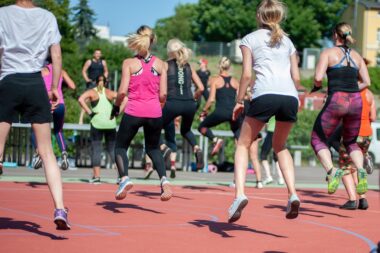
Zumba is a dance-based fitness program that combines movements from various dance styles with high-energy music. One of the primary benefits of participating in Zumba is the significant improvement in coordination and balance. Coordination is crucial for carrying out daily activities effectively, whereas balance helps prevent falls and injuries. Zumba incorporates different choreographed dance moves that demand the brain and body to work together, enhancing muscle control and timing. The various rhythms and steps challenge participants to adapt quickly, increasing their motor skills. Moreover, the fun and energetic environment of Zumba fosters a sense of community, encouraging individuals to push their limits in a supportive setting. This social aspect not only improves coordination but also keeps individuals motivated to continue engaging with the program regularly. The blend of fitness and enjoyment found in Zumba makes it an excellent option for individuals of all ages aiming to enhance their motion control, which is fundamental for overall functional fitness. With consistent practice, participants notice substantial improvements in their ability to dance rhythmically while coordinating their movements.
The dance routines in Zumba include various movements like twisting, turning, and lateral steps which enhance not just coordination but also stability. Stabilizing muscles, often overlooked in traditional workouts, are actively engaged through dance movements that require shifting weight from one foot to another. This regular engagement in balance-focused steps improves joint stability and, over time, strengthens the muscles surrounding the joints. Participants also learn to control their motions better, which is critical for performing daily tasks more efficiently. Emphasizing core strength, Zumba encourages participants to engage their abdominals, which plays a significant role in maintaining balance during dynamic movements. As individuals advance through different levels of routines, their body awareness increases, allowing for enhanced coordination when moving around both in classes and daily life. The variety of music and movement styles included keeps sessions fresh and exciting, encouraging consistent participation. Additionally, this variety allows participants to learn different cultural dance styles, enriching their workout experience while improving their overall physical fitness. Overall, Zumba offers a comprehensive approach to improving coordination and balance in a fun, inclusive environment.
Physical and Mental Benefits
Engaging in Zumba presents numerous physical and mental health benefits that extend beyond improved coordination and balance. The program’s aerobic nature helps burn calories and fat, leading to weight management while simultaneously increasing cardiovascular fitness. As participants dance to vibrant music, they not only elevate their heart rates but also release endorphins, the body’s natural mood lifters. This results in a dual impact on overall well-being. Furthermore, the engaging nature of Zumba promotes mental agility by requiring participants to memorize routines and sequences, enhancing cognitive function. Working out in a group setting fosters an improved sense of community and belonging, which can decrease feelings of isolation and improve mental health. Participants often leave sessions feeling invigorated, accomplished, and ready to tackle their day-to-day challenges. Additionally, the inclusive atmosphere allows individuals of all fitness levels to join classes without the fear of being judged, promoting self-acceptance and body positivity. Regular engagement in Zumba can lead to long-term behavioral changes associated with active living, improving both physical fitness and emotional resilience.
Another crucial aspect of Zumba is its adaptability, making it accessible for various demographics. People from different age groups and fitness backgrounds can participate and benefit from the program. Instructors often modify routines to suit specific needs, ensuring that everyone can engage without risk of injury. The more routines you perform, the better you develop spatial awareness, rhythm, and agility, which are vital components of balance. Zumba’s diverse learning environment emphasizes not only physical exercise but also joy in movement, which is essential for cultivating a lifelong fitness habit. Participants often find that as they improve their coordination, they also develop a greater appreciation for dance and movement, encouraging further exploration in other forms of dance and exercise. Enhanced coordination benefits individuals in routine tasks, such as walking or climbing stairs, making Zumba a fantastic foundational program for anyone seeking to improve their overall physical capabilities. By adding twists, turns, and rapid footwork, coordination challenges participants continually, leading to consistent growth. This adaptability and progressive challenge make Zumba an enduring choice for anyone looking to improve their physical coordination and balance.
Community and Support
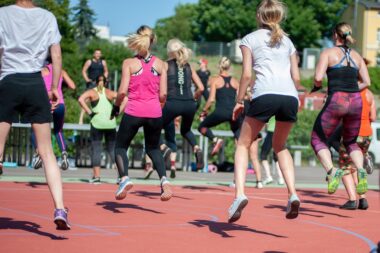
One of the often-overlooked benefits of participating in Zumba is the strong sense of community formed in classes. With regular interaction, bonds are created between participants, making attendance not just a fitness endeavor but also a social experience. Sharing common fitness goals and challenges, especially in movement coordination, develops an encouraging atmosphere where everyone motivates each other’s growth. Many find they look forward to classes not just for the exercise but for the friendships formed, which significantly enhances their overall experience. Having a supportive community aids accountability, ensuring that individuals stick with their fitness journeys. Furthermore, these supportive relationships can boost self-esteem, as participants shout out encouragements for one another while working through their routines. The excitement generated during group workouts leads to a higher level of engagement, making workouts enjoyable rather than a chore. As individuals improve their coordination and balance together, it strengthens these connections both within the classroom and beyond. Embracing the journey collectively fosters a sense of belonging, ensuring that the focus remains on personal progress while celebrating others’ achievements.
To optimize your Zumba experience for better coordination and balance improvement, consider setting personal goals that specifically focus on these elements. For example, you may aim to execute particular dance moves more smoothly or increase your ability to follow complex sequences in choreography. Consulting with your instructor during classes can provide valuable insights and tips tailored to your progress. Participating in additional strength and flexibility training during the week may further complement your Zumba practice, enhancing your overall results. Activities like yoga can improve flexibility and body awareness, which are critical components of better balance. Active engagement in coordination-intensive activities outside of Zumba, such as martial arts or team sports, can complement your efforts and elevate your performance during dance. Celebrate small victories as you progress; recognizing your improvements in coordination and balance reinforces that positive behavior. Track your development to motivate yourself continuously; even humble progress is worth celebrating. In conclusion, with consistent effort, Zumba serves not only as an enjoyable fitness program but also as a transformative journey toward enhanced coordination and balance.
Conclusion
Ultimately, Zumba is more than just a fun way to get fit; it is a dynamic method for building coordination and balance. Its combination of diverse movements challenges participants to engage their bodies fully while enjoying an atmosphere of camaraderie. Through progressive learning, individuals enhance their physical capacities, elevating their confidence and overall quality of life. Regular Zumba practice leads to noticeable changes not only in one’s physical state but also enhances cognitive function, emotional health, and social connections. As participants immerse themselves in routines, improving their coordination becomes a natural outcome of their engagement. Those looking to enhance their balance and coordination should consider Zumba as a practical, enjoyable option. By embracing such a holistic fitness program, individuals not only meet their physical challenges but also create a pathway for long-term health and happiness. For anyone looking to dance their way to better health, Zumba is an excellent choice, offering improvements that resonate far beyond the dance studio. With its continued popularity, Zumba remains a strong contender for anyone searching for an effective and engaging fitness solution.
Make the most out of your Zumba experience by setting your own objectives and seeking growth in coordination skills. The friendly nature of these classes allows everyone to support one another, helping maintain engagement and motivation toward achieving personal goals. Consistent attendance can lead to remarkable improvements in rhythm, movement, and coordination while also offering a sense of enjoyment. Integrating fun and community into fitness can serve as a valuable tool for enhancing balance and building important muscle control. With dedication, Zumba practitioners can transform their physical capabilities and develop lifelong skills that promote active living. Coupled with a commitment to cardiovascular workouts and strength training outside of dance, the positive impact on coordination and balance becomes even more significant. Thus, Zumba is not merely a fitness fad; it is a well-rounded approach that can lead participants to discover their own strength. The health benefits following Zumba participation demonstrate that coordination and balance can thrive in a supportive and joyful environment. These advantages encourage individuals to embrace their dancing journey, making it a promising path toward improved physical fitness. Zumba offers a vibrant platform for anyone looking to dance their way to a healthier, more coordinated life.