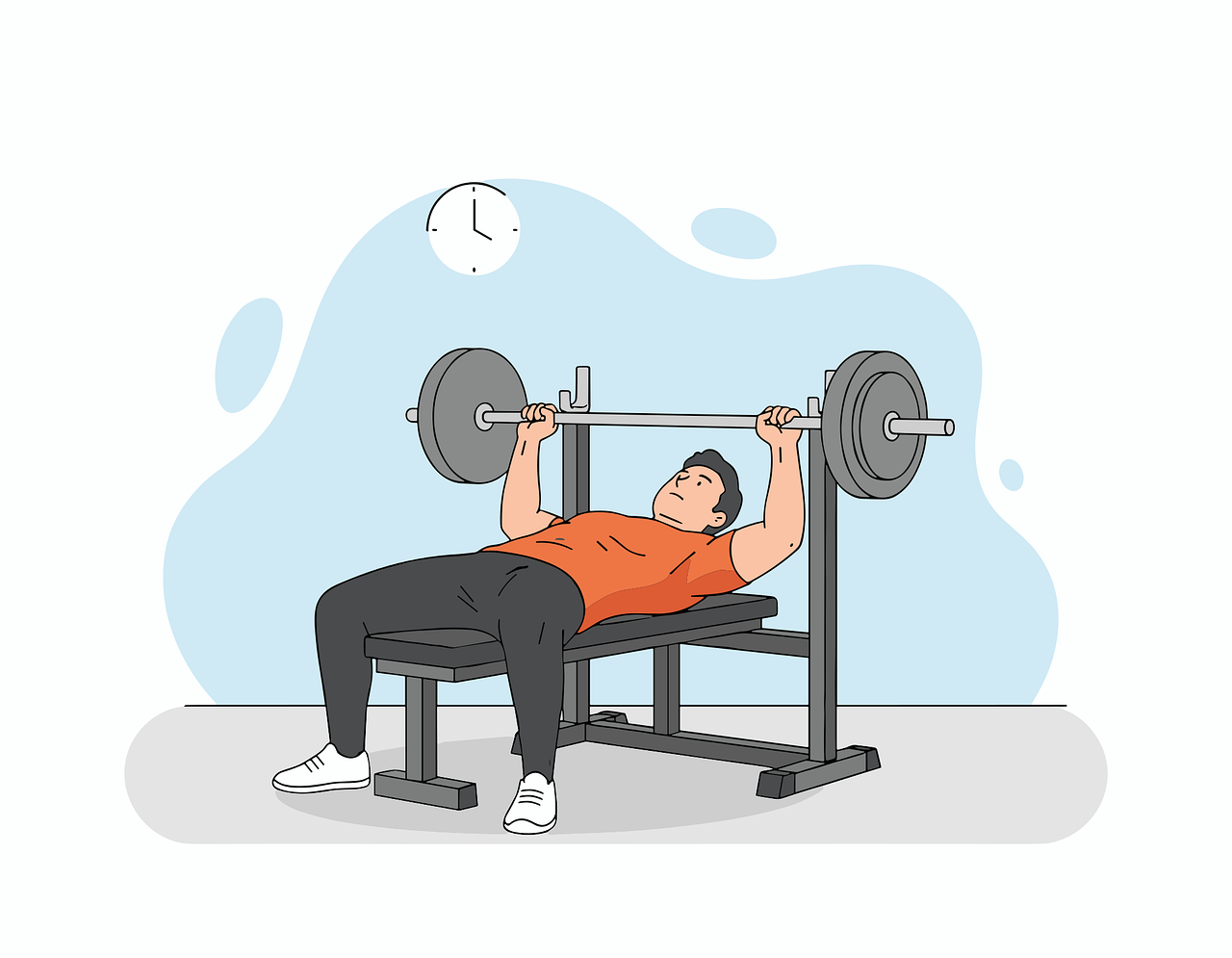

How to Set Realistic Fitness Goals for Men New to Working Out
Embarking on your fitness journey requires setting appropriate goals that inspire and motivate you. For those new to working out, understanding how to develop fitness objectives can be challenging yet rewarding. It’s crucial to create targets that are not only challenging but attainable, and this way, your motivation will remain high. Start by assessing your current fitness level to establish where you stand. Take note of your strengths, weaknesses, and any health issues. Set specific, measurable, attainable, relevant, and time-bound (SMART) goals. For instance, instead of saying, “I want to lose weight,” state, “I want to lose 10 pounds in two months.” This gives you a clear target to strive for. Celebrate small victories along the way, such as gradually increasing your workout duration or achieving a consistent routine. Being consistent is key to long-term success in fitness, allowing you to build endurance and strength. Engage with a fitness community to share your progress and gather tips that will keep you motivated and focused on your journey.
Another essential aspect of setting realistic fitness goals involves understanding the importance of time management. As a beginner, it’s vital to integrate workouts into your daily schedule without feeling overwhelmed. Aim for about three to four sessions per week, depending on your current fitness level and availability. Consider shorter, focused workouts that fit into your schedule. For example, aim for 30 to 45 minutes per session, which is manageable and promotes consistency. Make a plan and outline your workout days in a calendar. Align your fitness routines with your personal needs and preferences to help maintain motivation. Experiment with different types of exercises like weight training, cardio, or yoga to find what you enjoy most. Listening to your body is crucial when starting out, as you want to avoid injury. Gradually increase workout intensity as you grow stronger, keeping in mind that progress takes time. Stay patient with yourself, and don’t hesitate to seek advice from experienced fitness professionals to ensure you’re on the right track.
Importance of Nutrition in Your Fitness Goals
Nutrition plays a significant role in achieving your fitness goals. Beginners often overlook how essential it is to fuel your body with the right foods. Eating a balanced diet featuring whole foods can significantly enhance both performance and recovery. Start by incorporating lean proteins, healthy fats, and complex carbohydrates into your meals. Aim to fill your plate with colorful vegetables and fruits that provide vital nutrients. Stay hydrated by drinking plenty of water throughout the day, especially before and after workouts. Monitoring food portions is equally important; using smaller plates can help control serving sizes. Consider keeping a food journal to track what you eat, contributing to your awareness of dietary habits. Set specific nutrition-related goals, such as eating five servings of fruit and vegetables each day or preparing your meals at home more often. Healthier eating habits will provide you the energy and stamina you need for your workouts while simultaneously supporting your overall well-being. Supplement your nutrition with necessary vitamins or consult a nutritionist for personalized guidance tailored to your fitness objectives.
As you navigate your fitness journey, it is essential to engage in goal reflection regularly. Once you achieve a specific goal, take some time to evaluate your progress. Note any improvements you have made and consider areas where you can enhance further. Reflecting on your journey allows you to appreciate how far you have come while also identifying opportunities to set new benchmarks. Remember, fitness is an ongoing process, and long-term goals require you to reevaluate periodically. Use this time to adjust goals based on your current lifestyle changes and fitness levels, ensuring they remain realistic and motivational. Consider using tools like progress photos or fitness apps to visually track your milestones. These can serve as motivational reminders of your hard work and commitment. Additionally, do not hesitate to celebrate your achievements, no matter how small they might seem. A positive reinforcement approach will help maintain your motivation and encourage you to keep pushing towards even bigger aspirations in your fitness journey.
Finding a Support System
Building a support system is another key factor in achieving your fitness goals. For many beginners, having friends or family who encourage your efforts can have a tremendous impact. Consider joining a gym or attending group fitness classes where you can surround yourself with like-minded individuals. Seek out workout partners who can keep you accountable while making your workouts more enjoyable. Online fitness communities also offer the chance to connect with others on similar journeys. Using platforms like social media or fitness forums helps share tips, experiences, and mutual encouragement, fostering a sense of community. Do not hesitate to share your goals with those in your life, encouraging them to join you in pursuing healthier habits. The support and camaraderie found in shared experiences can keep you motivated and committed to your workout regime. Remember that it is okay to ask for help and advice when you need it, as we all experience ups and downs on our fitness journeys, making strong connections invaluable for success in reaching your fitness objectives.
Incorporating rest days into your fitness plan is essential. New exercisers may be eager to jump right into an intense workout routine. However, adequate recovery time allows your body to heal, preventing fatigue and injury. Aim to schedule one or two rest days per week where you can focus on stretching, yoga, or simply relaxing. Rest promotes overall mental and physical well-being and aids in building muscle, giving your body the chance to rebuild stronger. Pay attention to signs of overexertion like excessive fatigue, persistent soreness, or mood changes. These may indicate that you need more recovery time. Use your rest days to reflect on your progress and adjust your goals if necessary. Engaging in light activities during recovery, such as walking or swimming, can still keep you active without overloading your muscles. Remember that fitness is a marathon, not a sprint. Making rest an essential part of your fitness routine will result in a more sustainable and fruitful long-term journey towards improved health and fitness.
Adjusting Goals as You Progress
As you move forward in your fitness journey, be prepared to adjust your goals. It is normal for beginners to start with foundational objectives, but as progress occurs, new challenges will emerge. Assessing your ongoing performance and setting higher aspirations will help you stay engaged. For instance, if your initial goal was to complete 30 minutes of cardio, consider pushing that to 45 minutes or experimenting with higher intensity exercises. Explore diverse training methods such as circuit training, interval training, or strength training for further fitness improvement. Additionally, consider participating in events like charity runs or fitness challenges to give your routine a newfound purpose. As you conquer different achievements, regularly reassess areas needing growth, which will reinforce your resolve to reach higher. Understanding that goals can change based on how your body responds to exercise is vital. Embrace the evolving nature of fitness and find joy in setting progressive challenges along the journey to maintaining a healthy lifestyle.
Finally, keep in mind that fitness is about enjoying the journey. Establishing realistic goals is essential, but equally as crucial is maintaining a healthy mindset throughout the process. Approach your fitness objectives with enthusiasm and an open attitude. Focus on what you learn about yourself and your body during this transformative experience rather than only your results. Look for opportunities to engage with fitness-related activities that spark joy, be it group workouts, outdoor adventures, or trying new sports. Fitness shouldn’t feel like a chore. Instead, it should be a fulfilling journey filled with personal growth and self-discovery. Surround yourself with positivity and inspiration, whether through motivational quotes, success stories, or training documentaries. Celebrate achievements, big or small, and remember to view setbacks as learning experiences. This mindset shift transforms how you approach fitness and encourages sustainability in your journey. Maintain a curious spirit and keep exploring diverse ways to stay active. You’ll find your ultimate path in creating a lifestyle that is both enjoyable and focused on well-being, leading to lasting success.