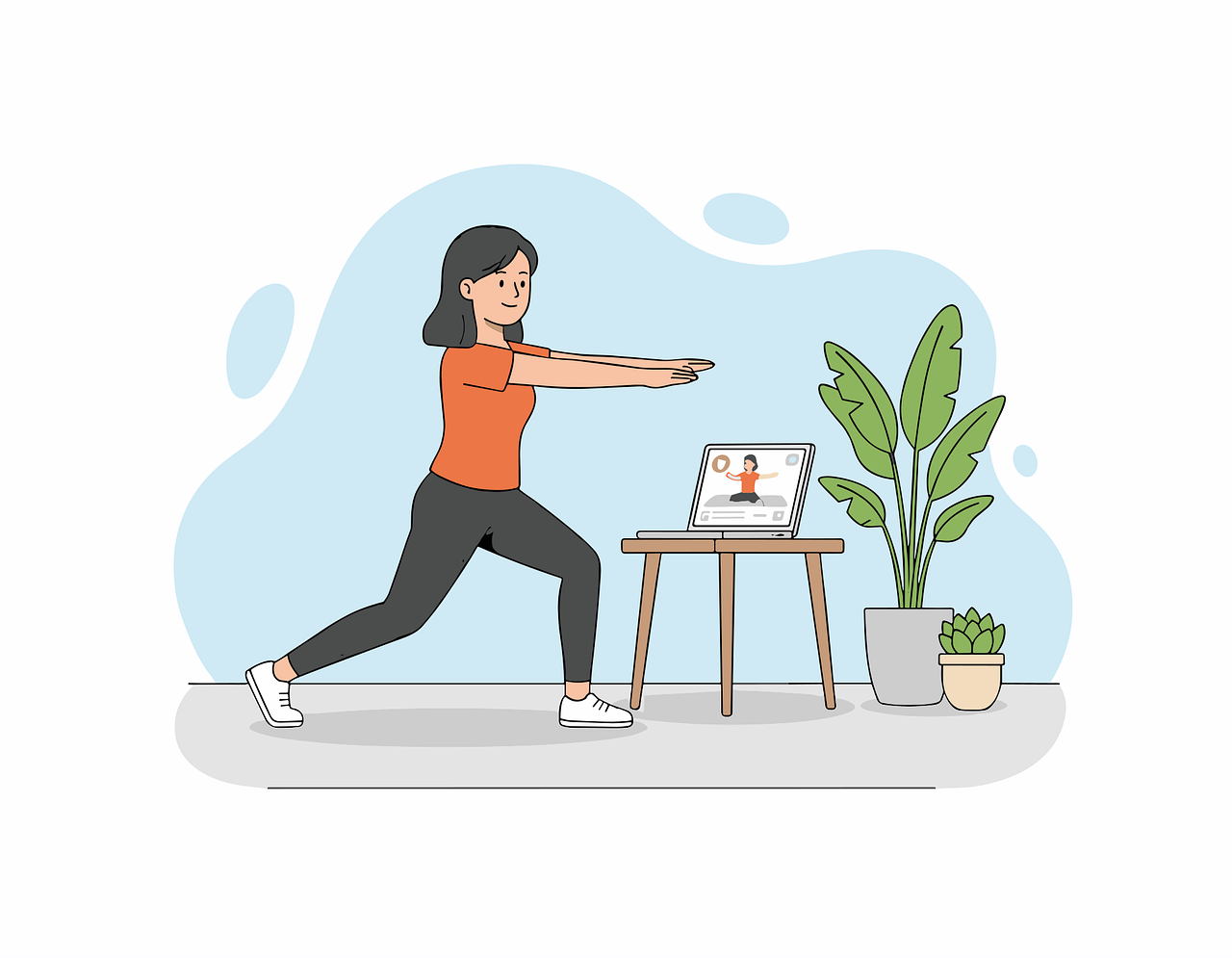

HIIT for Seniors: Safe Interval Training to Do at Home
High-Intensity Interval Training (HIIT) can be suitable for seniors looking to improve their fitness levels while exercising from home. It is essential to design workouts that maintain safety and enjoyment, making HIIT appealing and effective. The right balance of intensity and recovery periods allows older adults to engage without overexertion. This method is particularly advantageous for those managing limited mobility or specific health conditions. HIIT enhances cardiovascular fitness, helps build muscle strength, and supports weight management through short bursts of exercise followed by recovery. Seniors may not require the same high intensity as younger individuals, but HIIT can still provide excellent results when adapted appropriately. Incremental progress is important—increasing intensity can be achieved gradually using simple modifications. However, before starting any new exercise regimen, seniors should consult healthcare professionals to ensure the selected activities align with their individual health profiles. Moreover, safe exercises like squats, gentle plyometric movements, or modified push-ups can fit seamlessly into HIIT sessions. By crafting tailored HIIT workouts, seniors can reap the numerous benefits of this invigorating training style while adhering to their unique physical needs.
Preparing for HIIT workouts involves assessing individual capabilities, understanding health risks, and tailoring exercises accordingly. It’s vital to consider a warm-up period to decrease the risk of injuries. A few minutes of low-impact activities can elevate heart rates safely and prepare the joints for more dynamic movements. While implementing HIIT, seniors should listen to their bodies, recognizing signs of fatigue or discomfort. Everyone’s fitness journey is unique, and adapting exercises based on personal experiences can ensure safety and effectiveness. Furthermore, incorporating a variety of exercises within the HIIT framework can keep workouts engaging. Activities like chair exercises, resistance bands, and even bodyweight workouts can all contribute to a well-rounded routine. The basics of interval training—work hard, recover harder—applies here, but the emphasis should be on moderate workouts that inspire feelings of accomplishment rather than exhaustion. Seniors may also consider monitoring their heart rates throughout the activities, ensuring they remain within a comfortable range. By doing so, participants can maximize benefits while minimizing risks, tailoring their approach to fitness while fully enjoying the experience of interval training at home.
Essential HIIT Exercises for Seniors
When crafting HIIT workouts for seniors, it’s crucial to include a mix of low-impact exercises that can be performed safely at home. Here are some effective options to consider: Squats gently strengthen legs while promoting stability; push-ups, modified on the knees, build upper body strength; marching in place elevates the heart rate without overexertion; wall sits are excellent for boosting endurance; and some light shadowboxing can also be fun and engaging. These activities can be performed in intervals of varying lengths, usually ranging from 20 seconds of effort followed by 40 seconds of rest. Implementing resistance bands can also enhance these exercises, adding extra difficulty where necessary while still ensuring safety. Variety is key to keep seniors engaged and motivated, mixing different movements to maintain interest. A workout session may include 20-30 minutes of exercises focusing on lower and upper body movements. Maintaining the interval structure keeps energy levels up while allowing shorter bursts of activity, enabling seniors to stay fit in an enjoyable way. Being adaptable and flexible with these options encourages regular exercise and contributes to lasting health benefits.
Another effective way to enhance HIIT workouts at home is to incorporate balance and flexibility exercises as part of the routine. Activities like standing on one leg or side leg raises not only improve balance but can also foster core stability. Stretching exercises, such as gentle neck and back stretches or seated hamstring stretches, promote flexibility and aid in recovery after intense intervals. Including these practices could provide an holistic approach to fitness for seniors, enhancing mobility and reducing the risk of falls or injuries. Encouraging seniors to take their time and focus on proper form will yield greater benefits while promoting safe exercise practices. Many seniors enjoy group settings to stay accountable and motivated. Online platforms can facilitate virtual HIIT classes tailored specifically for older adults. Accessible classes fostering peer support can enhance enjoyment and participation levels. Lastly, hydration should always be considered. Seniors should keep water close during workouts and sip regularly to maintain hydration levels. Consequently, incorporating balance, flexibility, and hydration strategies into HIIT workouts can foster a comprehensive exercise regimen that seniors can delightfully implement into their home routines.
Monitoring Progress and Staying Motivated
To assess the effectiveness of HIIT workouts over time, seniors should periodically monitor their progress. This includes tracking improvements in strength, endurance, flexibility, and mobility. Keeping a simple log of activities can assist in reflecting on positive changes that develop with regular exercise. Joining social fitness platforms or sharing experiences with friends can create a sense of community, bolstering motivation. Celebration of small victories, such as completing a new exercise, can further enhance the commitment to workouts. Additionally, seniors can set achievable fitness goals to guide their training, breaking larger objectives into manageable targets. Incorporating fun challenges, like participating in a virtual group challenge, adds excitement and encourages consistency. Mindfulness plays a significant role in maintaining motivation as well. Focusing on the mental health benefits of exercise, such as reduced stress or increased mood levels, can empower seniors to remain committed to their routines. However, recognizing that rest is also a part of training will create a balanced approach. Engaging in stimulating conversations about fitness or sharing success stories can foster an environment that remains dedicated to achieving healthy living through HIIT workouts.
A crucial component of HIIT workouts tailored for seniors is ensuring proper recovery intervals. As high-intensity activities often lead to fatigue, allowing ample recovery time is necessary for muscle recovery and to prevent injury. Recovery can take various formats, from stretching to taking light walks or simply allowing for rest. Focusing on restorative exercises helps maintain energy levels and can enhance overall workout effectiveness. It’s important for participants to learn the signs of fatigue. Listening to one’s body during and after high-intensity exercises guarantees a safer experience. Seniors should aim to prioritize rest days alongside workout days. Ensuring a proper balance aids in preventing overtraining while maintaining a routine conducive to both physical and mental well-being. As well, those interested in HIIT should pay attention to nutrition, as proper sustenance fuels workouts and promotes recovery. Consistent, healthy eating supports not only exercise but encourages overall health. Engaging in nutrition discussions with community members or support groups can further enhance awareness of healthy eating practices, specifically for active seniors. Ultimately, integrating recovery, nutrition, and education into HIIT training plans promotes longer-term success in achieving fitness goals.
Conclusion
High-Intensity Interval Training provides a thriving opportunity for seniors to maintain fitness effectively, and safely at home. The key to success lies in delivering workouts that encompass proper warm-ups, diverse exercise options, and recovery strategies. Engaging communities and shared experiences can inspire motivation while keeping progression fun and attainable. By incorporating both cardiovascular and flexibility exercises, alongside emphasis on balance, seniors enjoy a comprehensive fitness journey. Moreover, tracking progress and welcoming adjustments fosters a culture of ongoing improvement. Always prioritizing safety allows seniors to remain active without feeling overwhelmed. With awareness of personal limits, nutritional balance, and intentional rest, individuals can maximize the HIIT experience and appreciate its many benefits. No longer should seniors shy away from high-intensity workouts; they can embrace the invigorating spirit this practice brings. In addition, emerging online resources and local programs encourage ongoing exploration of fitness trends tailored to senior needs. For seniors seeking to enhance their health and vitality, HIIT workouts present a unique opportunity in today’s world, providing a blend of challenge and enjoyment. Ultimately, this training style can transform an often daunting fitness landscape into a confident and engaging way to stay active.
Providing encouragement and support to seniors as they navigate their HIIT experience ensures they feel empowered. Practicing consistent engagement and celebrating everyday achievements fosters resilience. As seniors invest their time and trust in a workout program, they are likely to enhance their self-efficacy. Incorporating goals that resonate with emotional wellness helps inspire dedication to their health journey. Seniors can create connections that enrich their experience, engaging in conversations about likes or preferences surrounding fitness routines and HIIT activities. By building a network that champions each other’s progress, communities can thrive. Ultimately, instilling confidence leads to positive lifestyle changes that longevity of health can celebrate. Regular participation in safe, modified HIIT workouts can lead to greater independence and vitality. Seniors should feel supported in exploring diverse options and addressing limitations confidently. This holistic approach to fitness emphasizes the importance of motivation, safety, and enjoyment. In conclusion, seniors can harness the power of HIIT workouts from home, embarking on a journey towards improved fitness, agility, and well-being.