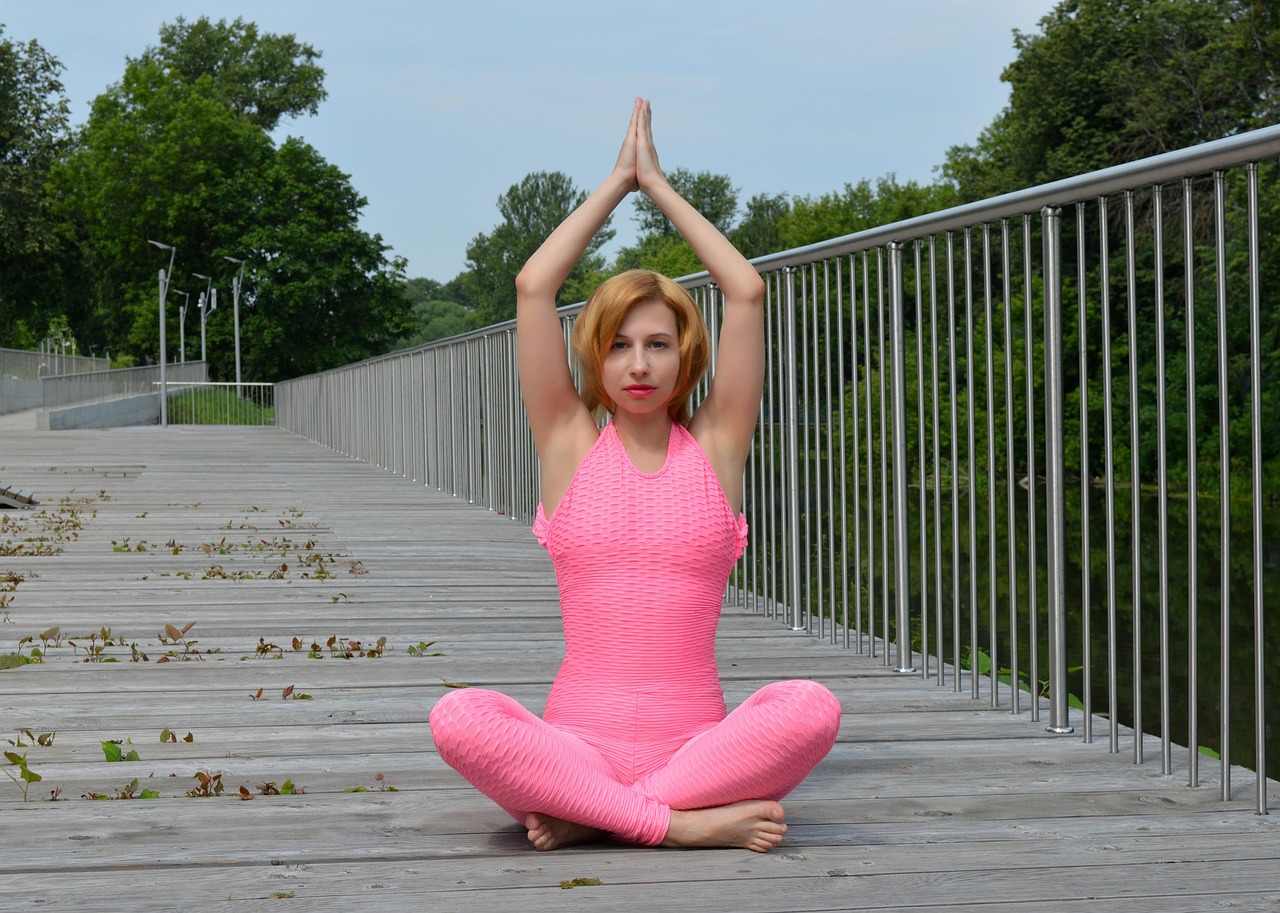

Fitness Strategies for Survivors of Suicide Attempts
For survivors of suicide attempts, engaging in fitness can be a powerful tool for recovery and personal growth. Physical activity offers several psychological benefits, helping individuals process emotions such as grief, anger, and sadness. Regular exercise promotes the release of endorphins, the body’s natural mood lifters, which can significantly improve mental health. Survivors may consider starting with activities they enjoy, as this can increase motivation and adherence. Low-impact workouts like walking, swimming, or cycling can ease the transition to a more active lifestyle. It’s essential to set achievable fitness goals to prevent feelings of failure. Joining group fitness classes can also provide a sense of community and support, which is vital for recovery. Additionally, practicing mindfulness during workouts can enhance the mind-body connection, enabling survivors to cultivate a deeper self-awareness. Creating a balanced routine that combines cardiovascular exercise, strength training, and flexibility work can provide comprehensive benefits. Remember to celebrate small accomplishments. Each step taken toward fitness should be recognized, reinforcing positive self-affirmation and resilience. Focus on nurturing both physical and emotional well-being for continued progress.
Establishing a Support Network
Building a strong support network is critical as survivors of suicide attempts engage in fitness strategies. Surrounding oneself with encouraging individuals can bolster motivation and accountability, making it easier to stick to a fitness routine. Support can come from family, friends, or community groups, all of which play a vital role in the healing process. Joining support groups tailored for survivors can connect individuals who share similar experiences and understanding. Participating in group exercises or fitness classes offers not just physical benefits but also social interaction, proving helpful in combating feelings of isolation. Friends or family can serve as workout partners, fostering an environment of trust and safety during the fitness journey. Open communication regarding struggles and triumphs is essential to deepen bonds within the network. Utilizing social media platforms can help find local fitness communities or online groups, providing additional resources for motivated individuals. Additionally, consider involving mental health professionals who can offer tailored advice on balancing fitness with emotional healing strategies. Remember, shared experiences foster strength and encourage continuous growth, enhancing the overall recovery journey.
Setting realistic and achievable fitness goals is crucial for suicide attempt survivors. Establishing clear short-term and long-term goals creates a roadmap for progress while promoting a sense of accomplishment. Start with small, manageable objectives that align with personal fitness levels, increasing as confidence grows. Objectives may include regular physical activity, improving endurance, or participating in a new sport. Having specific goals helps foster motivation, keeping individuals focused even during tough times. Journaling progress can serve as a motivational tool, enabling survivors to reflect on their achievements and areas for improvement. Additionally, including diverse fitness activities can prevent boredom and maintain enthusiasm. Experimenting with yoga, dance, or even hiking can introduce variety, preventing burnout. Rewarding oneself for reaching milestones, whether big or small, reinforces a positive association with fitness. This practice contributes to self-esteem and aids recovery by emphasizing personal growth. Consistency is key, so creating a regular workout schedule provides structure. Digital tools or apps can assist in monitoring progress, supporting accountability. More importantly, the journey itself becomes a vital part of emotional resilience, demonstrating how commitment to fitness can lead to profound personal transformation.
Incorporating Mindfulness Practices
Incorporating mindfulness practices into fitness routines can significantly enhance the mental health benefits for suicide attempt survivors. Mindfulness fosters an increased self-awareness, allowing individuals to become more attuned to their emotions while engaging in physical activity. Techniques such as deep breathing, visualization, and meditation can be integrated before or after workouts. Practicing yoga combines physical movement with mindfulness, promoting relaxation and reducing anxiety. Attending classes centered around mindful movement offers a structured approach to integrate these practices effectively. As you exercise, focus on breathing patterns and sensations within the body, cultivating present-moment awareness. This process helps untangle overwhelming emotions and thoughts, leading to deeper emotional insights. Mindfulness can also improve concentration, making workouts more enjoyable and purposeful. Engaging in nature walks or outdoor running can further promote mindfulness, as individuals connect with their surroundings while exercising. Being aware of the natural beauty around can foster gratitude and encourage emotional healing. Moreover, survivors may keep a journal to document thoughts and feelings experienced during workouts, allowing for reflection and processing of emotional challenges throughout the recovery journey.
Nutrition plays a crucial role in supporting the overall well-being of survivors of suicide attempts. A balanced diet supports mental health by providing essential nutrients that aid brain function and emotional regulation. Survivors should consider incorporating a variety of fruits, vegetables, whole grains, lean proteins, and healthy fats into their daily meals. Nutrient-rich foods can positively impact energy levels, mood stability, and overall resilience. Hydration is equally important for maintaining mental clarity and physical stamina. Creating a meal plan based on both nutritional needs and personal preferences can simplify decision-making, reducing stress around food choices. Preparing meals in advance can help maintain consistency and decrease reliance on unhealthy comfort foods. Additionally, considering participation in community cooking classes can help nurture social connections while improving nutritional knowledge. Meal planning allows individuals to take control of their dietary habits, promoting healthier choices. Survivors should consult with a nutritionist or healthcare professional to ensure they are meeting their unique dietary needs. Remember, adopting healthy eating habits complements exercise routines, leading to improved mental well-being and overall life satisfaction.
The Role of Professional Guidance
It’s essential for survivors to seek professional guidance when embarking on a fitness journey post-suicide attempt. Mental health professionals can offer critical support, addressing underlying psychological challenges and ensuring a balanced approach to recovery. Collaborating with trained counselors, therapists, or psychologists provides tailored strategies that align with individual experiences and emotional needs. Similarly, enlisting the help of certified fitness trainers can facilitate a safe and effective exercise regimen. Trainers can guide survivors in selecting appropriate activities that allow for gradual progression, fostering increased confidence and motivation. Regular assessments with fitness experts ensure that the fitness plan remains aligned with personal goals, adjusting as necessary to promote sustainable growth. Incorporating mental health sessions alongside fitness training fosters a holistic approach to recovery. Additionally, group classes led by professionals can create a supportive environment where participants share their stories and build resilience together. Remember that the journey toward healing is unique for everyone. Acknowledging when additional support is required is a sign of strength, and accessing resources can lead to lasting positive change.
Survivors of suicide attempts can benefit immensely from cultivating self-compassion throughout their fitness journey. Developing kindness towards oneself is essential during recovery, as negative self-talk can amplify feelings of guilt and shame. Incorporating self-compassion exercises encourages individuals to treat themselves with the same kindness they would offer a friend in similar circumstances. Engaging in positive affirmations can help shift the focus away from perceived failures and highlight personal strengths. Embracing setbacks as part of the journey instead of barriers fosters resilience and growth. Additionally, celebrating small victories, whether related to fitness or emotional milestones, reinforces a positive mindset. Survivors may also consider participating in community events that promote mental health awareness, further encouraging connection with others. This sense of belonging reinforces that recovery is a shared human experience. Remember, pursuing fitness is not just about physical transformations; it is equally about nurturing emotional well-being. Regularly revisiting motivations for fitness can strengthen the connection to personal values, guiding individuals toward consistent growth. By nurturing self-compassion, survivors can foster a more positive relationship with fitness, emphasizing connection, healing, and resilience.