
Knife Defense Techniques: A Tutorial for Beginners
In today’s world, learning effective knife defense techniques is essential for personal safety. Understanding how to react when confronted with a knife-wielding attacker can make a significant difference during a dangerous encounter. This tutorial aims to introduce beginners to fundamental concepts of knife defense, which can empower them to handle such situations more confidently. Before diving into techniques, it’s crucial to remember that the primary goal of self-defense is to escape the situation unharmed. Focus on evasion rather than confrontation whenever possible. Additionally, practicing these techniques with a partner helps ingrain the movements into muscle memory, which is vital for an effective response. Always prioritize safety during practice sessions. You can utilize training knives or padded weapons to prevent injury. The knowledge and skills gained from this tutorial can serve as a foundation for further study in martial arts and self-defense. Mentorship under professional instructors is recommended for honing skills accurately. Join a self-defense class or workshop to benefit from structured guidance. This article will discuss various knife defense techniques and strategies for beginners who seek to enhance their self-protection skills.
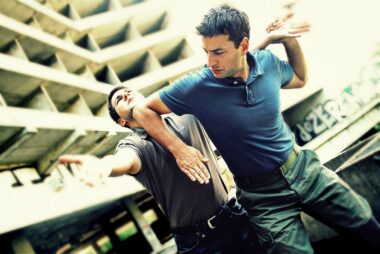
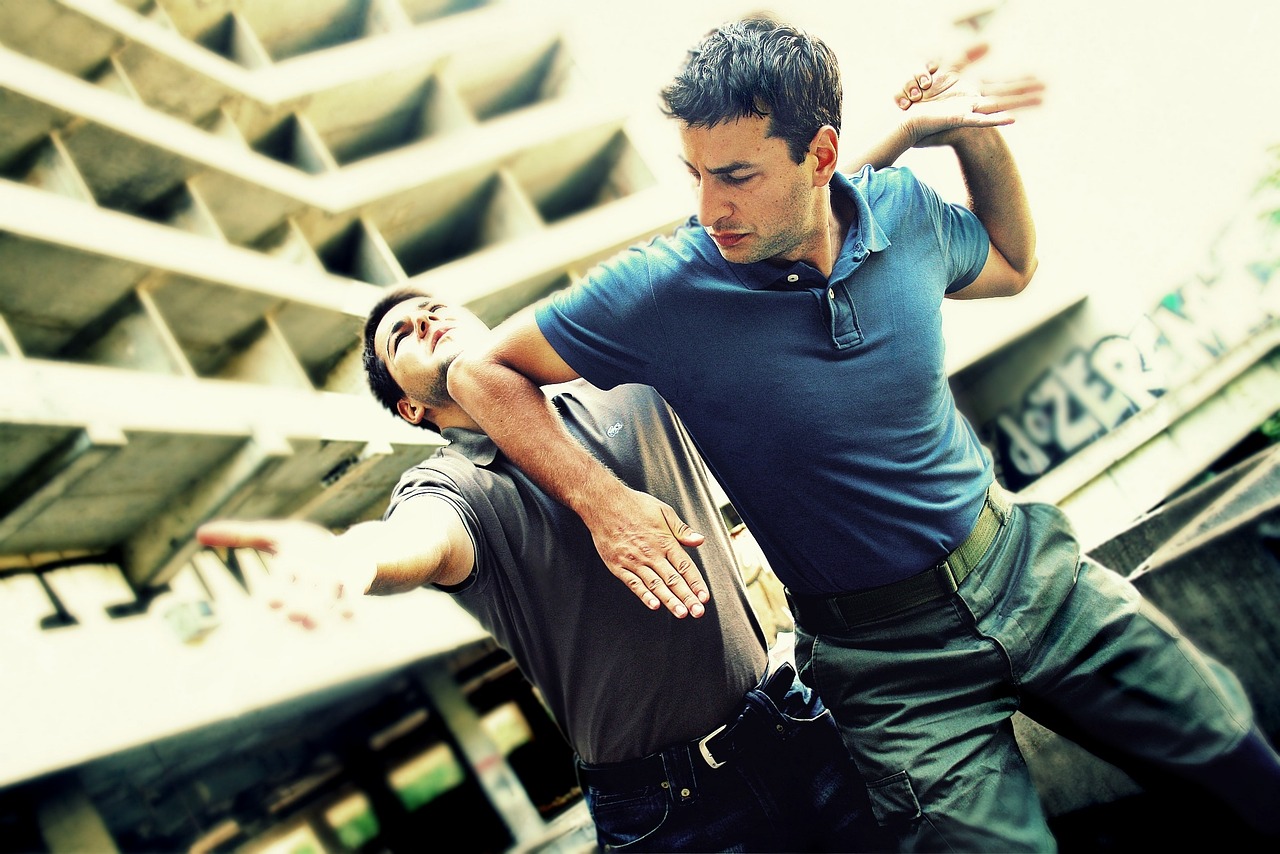
Among the first techniques to learn is the disarm technique. This method aims to remove the knife from an attacker’s hands without causing severe injury. Begin by understanding the basic motion, which often involves using your body mechanics to redirect the attacker’s force. Start in a safe position and observe the attacker’s grip on the knife. Timing is crucial; wait for the right moment to make your move when they are less prepared. As you engage, use your dominant hand to grasp the wrist of the attacker firmly. Apply pressure downward while stepping to the side, redirecting their momentum. The secondary motion involves pivoting your body, allowing your non-dominant hand to push against the elbow to assist in disarming. Repeatedly practice this combination until it feels natural. Add variations to simulate different attack angles and positions. Remember that the goal is to create a situation where you have the upper hand without increasing risk to yourself. After some time, practice with a partner to simulate real-life scenarios. Self-defense is not solely physical; mental preparedness is equally important. Reflect on these techniques often to reinforce your skills.
Situational Awareness and Evasion Techniques
Another critical aspect of knife defense is situational awareness. Before engaging physically, being aware of your surroundings can help prevent dangerous encounters. Trust your instincts; if you feel uncomfortable in a certain area or around specific individuals, take proactive measures to exit the situation. Avoid distractions, such as smartphone usage, while walking in potentially hazardous environments. Situational awareness also involves assessing potential escape routes and identifying nearby sources of assistance. If an interaction escalates and you foresee a knife threat, use evasion techniques to create distance. Simple, swift movements can help you dodge an attack and provide crucial time to escape. Developing reflexes for ducking or retreating effectively is essential. Practicing footwork drills will enhance your agility and reaction speed. Additionally, try to maintain a non-threatening posture, which may lower the chances of an escalation. If faced with an attack, use verbal commands or distractions to further defuse the situation while seeking an escape route. Regularly incorporate these evasive maneuvers into your training regime to build confidence. Prepare mentally for varied scenarios for improved outcomes.
When discussing knife defense, it’s impossible to overlook the concept of breaking the line. This technique focuses on moving outside the typical attack trajectory. Instead of attempting to block or parry the knife directly, pivot your body to create angles. By breaking the line, you create a safer position to counterattack or escape. Learn to use defensive gestures to shield yourself while moving to the side. This method minimizes exposure to the weapon. Practicing this technique repeatedly will increase your adaptability in real-life situations. Remember, a confident attitude may deter an attacker, as they often seek out vulnerable targets. Integrating combination techniques can also enhance your defense. For example, combine evasion with a disarm to catch your attacker off guard. Effective striking can incapacitate the threat temporarily, providing an opportunity to escape. At times, feints or misdirection can provide seconds necessary for a successful defense. Reflex training can help in recognizing situational cues promptly. Self-defense education emphasizes the importance of immersive, continuous learning. The more techniques you practice, the more prepared you will be to handle dangerous situations.
Essential Techniques in Close Quarters
In close-quarter situations, knife defense becomes even more complex. Understanding how to maintain control while minimizing risk is key. Techniques such as wrist locks and elbow control can be effective. To execute a wrist lock, apply pressure against the wrist joint while simultaneously moving your body closer for stability. This method allows you to neutralize the weapon without escalating violence. Focus on body mechanics; using leverage effectively can compensate for strength disparities. Another effective tactic is utilizing your environment during a confrontation. Look for objects you can use to create barriers or distractions. Items like chairs or bags can serve as shields between you and the attacker while you assess the situation. It’s important to stay calm to make smarter decisions on the spot. Control your movements and mindset as you maintain resilience under pressure. Regular training should incorporate scenarios where close contact is simulated. Such practice helps to develop instincts on how to react under distress. Always remember that avoiding confrontation is preferable, and personal safety is paramount regardless.
As you develop your skills in knife defense, it’s beneficial to study specific injury targets. Knowledge of where to strike can be the difference between escaping harm and further danger. Consider targeting vulnerable areas, such as the eyes, throat, or joints with quick, calculated movements. For example, a swift jab to the eyes can impair your attacker’s ability to attack effectively and create an exit opportunity. Another target that can incapacitate your opponent is the solar plexus. A well-placed strike in this area can disrupt breathing, allowing time to escape. Prioritize accuracy over strength; often, a focused target will yield better results than an uncontrolled attack. The aim is to regain control of a dangerous situation effectively. In your practice, include drills focusing on targeting techniques. Work with a partner to facilitate realistic scenarios that necessitate focused targeting. If you can, record yourself practicing; evaluating your technique can identify areas needing improvement. Additionally, familiarize yourself with the concept of follow-up techniques once an initial strike has been executed. Always seek continuous improvement; education around self-defense will enhance your awareness and effectiveness.
Final Thoughts on Knife Defense Techniques
Finally, consistently refining your knife defense and martial arts skills is crucial for personal safety. As you embark on this journey, it’s essential to remain disciplined and committed to your training. Engage in regular practice sessions with trusted partners or instructors to foster continuous learning. Regularly reviewing fundamentals ensures that your techniques remain sharp and effective. Supplementary study of related martial arts concepts can also add depth to your skills. Techniques from styles like Brazilian Jiu-Jitsu or Krav Maga can enhance your effectiveness in unpredictable scenarios. Remember that physical preparedness is equally important as mental readiness. Building endurance, strength, and flexibility through general fitness exercises can contribute significantly to your self-defense capabilities. Be agile and receptive to feedback during practice; this will cultivate an admirable growth mindset. Over time, self-defense becomes second nature, creating an instinctive reaction based on deep understanding rather than mere reflex. Connecting with a community of fellow martial arts enthusiasts can also provide encouragement and shared learning experiences. Embrace the journey of learning knife defense techniques as an enriching experience that promotes personal empowerment and safety.
Ultimately, master the art of self-defense, not just for you but to also empower those around you. Helping others learn these techniques encourages a more secure environment. Hosting workshops or seminars can be a fantastic way to share your knowledge. Engage your community by initiating conversations about safety and personal protection. Together, create an atmosphere where training and awareness are priorities. Always remember that confidence in your skills comes from practice and reflection. Consider periodically assessing yourself and your progress; help identify areas needing focus. Remain open to new techniques and fresh approaches as self-defense evolves. Education is a lifelong endeavor; remain adaptable and willing to learn. Attend additional training sessions or resources periodically to stay sharp. Also, embrace the importance of the mental aspect of self-defense. Visualizing scenarios can prepare your mind for effective responses when encountering real threats. This mental rehearsal strengthens your overall self-defense skillset. Remember that it’s fundamentally about safety, awareness, preparation, and confidence. Stay committed to knowledge and growth in martial arts, and leverage your skills responsibly for protection. Therefore, inspire others along your journey as you elevate the importance of self-defense techniques in today’s world.