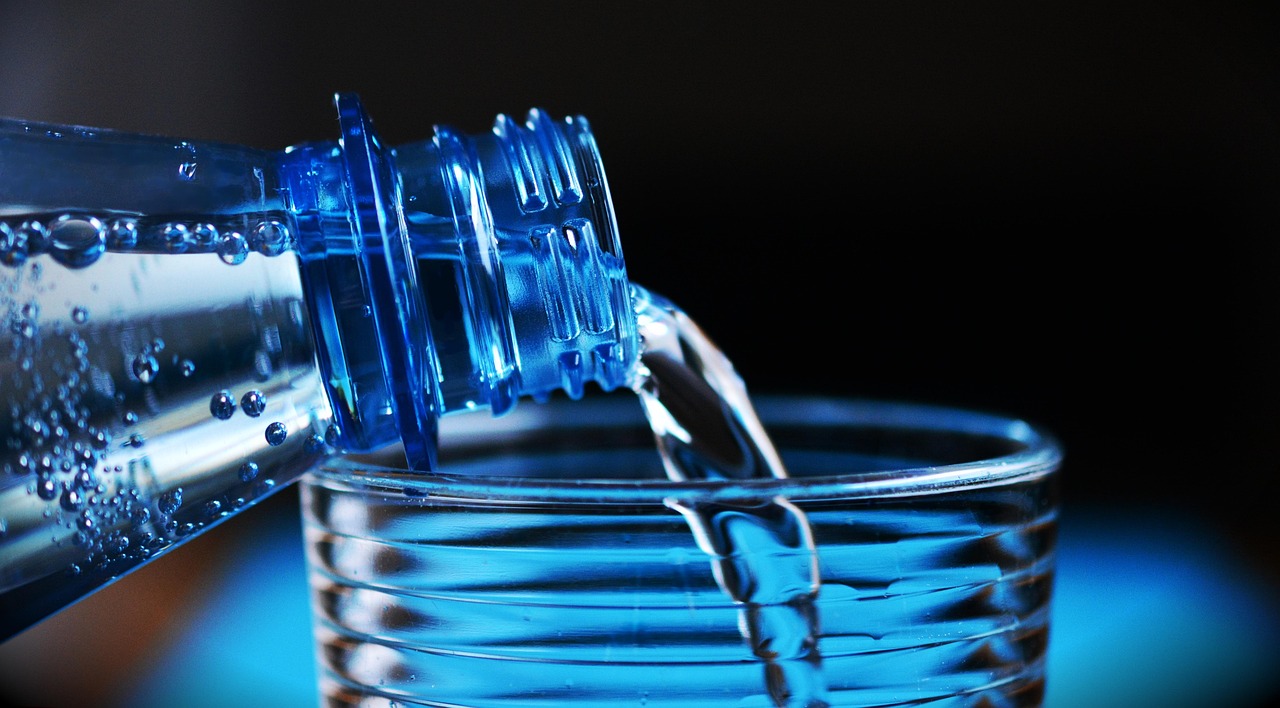

How to Stay Hydrated During Cross-training and Running Workouts
Hydration is a crucial aspect of running and jogging, especially during cross-training and workouts. When you engage in these activities, your body loses fluids through sweat, which can lead to dehydration if not managed properly. Dehydration can degrade performance, cause cramps, and lead to fatigue. A well-hydrated body helps maintain thermoregulation, enhances cardiovascular efficiency, and improves overall endurance. Therefore, it is essential for runners to develop a hydration plan that fits their training regimen. Runners should take into account factors such as temperature, duration of the workout, and personal sweat rate when determining their hydration needs. Ensuring that you have water accessible during your workouts is key. Additionally, paying attention to your body’s signals can help you gauge whether you are adequately hydrated. Thirst, the color of your urine, and overall energy levels are good indicators. Keeping a hydration log can be beneficial for tracking how much fluid you are consuming relative to your performance. Start with these basics to implement better hydration strategies in your running and cross-training routine.
To maximize hydration efforts, it’s wise to understand your body’s specific needs. Individual hydration requirements can vary widely based on factors such as age, weight, fitness level, and even the climate conditions. On warmer days, the body may require more fluids for optimal performance. A useful rule of thumb for runners is to drink approximately 0.5 to 1 liter of water for every hour of exercise. Moreover, hydration does not only refer to plain water; electrolytes play a vital role, too. Products like sports drinks and electrolyte tablets can help restore vital salts lost through sweat. Paying attention to the concentration of electrolytes in your drinks is also important. Aim for a balanced intake of sodium, potassium, and magnesium to ensure that your body stays in optimal shape. Additionally, consider the timing of fluid intake. Drinking small amounts consistently throughout the day and especially before, during, and after your workouts can yield the best results. This approach not only keeps you refreshed mentally but also puts your physical performance up a notch.
Incorporating hydration strategies into your training regimen may include timing your water intake. Some experienced runners suggest drinking additional water before you even start your run. This can help jump-start hydration levels, preparing your body for the upcoming workout. It can be effective to consume 16 to 20 ounces of water about two hours prior to running. During the workout, aim to take small sips at regular intervals, especially if you are exercising longer than an hour. Nausea from drinking too much at once can be uncomfortable, so a steady and measured intake is most effective. After your workout, replenishing lost fluids is crucial. Consuming at least 24 ounces of water for every pound lost during exercise can help restore hydration levels. Also, don’t forget to incorporate hydration-focused meals in your diet, which should include fruits and vegetables with high water content. Foods like watermelon, cucumbers, and oranges are excellent choices not only for hydration but also for nourishment. Crafting a balanced approach combining both solid and liquid hydration sources can significantly enhance recovery.
Understanding Hydration Timing and Nutrition
Nutritional factors also influence hydration. Along with liquid intake, paying attention to your meals is essential. Consuming foods that are rich in water content contributes to your daily hydration levels. Aim to include items from the produce section in your routine. Chi associated with fruits and vegetables is particularly effective. Ideally, you want to consume foods that provide carbohydrates, proteins, fats while also containing high water content. Foods like apples, oranges, lettuce, and more can make great pre or post-run snacks. This combination will keep energy levels up while ensuring hydration. Moreover, don’t underestimate the importance of proper recovery nutrition. After your run or cross-training workout, having a well-balanced meal rich in carbohydrates and proteins will replenish energy stores, aiding in recovery. Also, consider supplements that can boost hydration, such as BCAAs or even hydration powders designed specifically for post-exercise recovery. A comprehensive strategy to hydration involves integrating both liquid and solid nutrition in your training schedule for optimal results. Training your body to be more hydrated will lead to improved performance and reduced risk of injury.
Another aspect to consider is the differences in hydration needs during various weather conditions. Weather can significantly impact how much fluid you need to consume during your workouts. For instance, running in humidity can cause you to sweat more excessively, thus requiring increased fluid replenishment. On hot days, it might be beneficial to increase your hydration. Know the signs of dehydration, including dizziness, confusion, and extreme fatigue—the earlier you catch these states, the better. Conversely, cold weather can also affect hydration, as runners tend to underestimate fluid loss during winter. In cold conditions, the body may lose moisture through breath, leading to dehydration if not monitored. Hence, it’s critical to adjust your hydration strategies based on the seasons. It’s advisable to drink warm fluids that can offer a comforting and hydrating option in colder months. Always carry water or an appropriate hydration container regardless of the climate conditions. Observing the weather and adjusting your fluid intake can help maintain optimal hydration levels throughout the year.
The choice of hydration method can also greatly influence performance. Many runners utilize hydration packs or belts for convenience, ensuring that water is readily accessible while training. Additionally, these methods permit you to keep your hands free, enabling you to focus solely on your running. Testing various methods can help identify what works best for you; hence, experimenting with these tools during training sessions is vital. If you find yourself struggling with fluid intake during long runs, you might want to consider employing products like electrolyte tablets or gels designed for endurance athletes. These specialized fueling solutions can also help with taste fatigue, as some runners find plain water repelling during extended workouts. Determine what you enjoy and what allows you to run comfortably. During races, hydration stations are typically planned, so strategically timing your fluid intake around these stops can work great. Balancing speed with hydration is a delicate dance, but it’s essential for performance, endurance, and recovery in both cross-training and running exercises.
Conclusion on Effective Hydration Practices
In conclusion, adopting effective hydration practices is essential for every runner, be it during casual jogs or intense cross-training workouts. Failing to drink enough fluids can lead to compromised performance, affecting stamina and overall results. By recognizing and respecting your body’s hydration requirements, you can stay in peak condition for every training session. Regularly monitoring how you hydrate, along with adjusting for climate, will lead to positive changes in your endurance levels. Integrate hydration strategies alongside nutrition for a well-rounded approach to performance. This combination will not only help your physical conditioning but will also support your mental resilience. Stay aware of the signs of dehydration and familiarize yourself with your unique fluid needs. Remember that what works for others may not work for you; thus, making adjustments based on personal experiences is imperative for success. Proper hydration enhances energy levels, aids recovery, and reduces injury risks, making it a pivotal factor in any runner’s journey. Make committing to your hydration plan a priority, and witness your running success soar.
Ultimately, enhancing your running performance is about finding balance, following your body’s cues, and making informed hydration choices. Your hydration habits should evolve alongside your training. You’re bound to discover what suits your physique and lifestyle better. Every runner should identify themselves as an athlete who respects their hydration requirements, ensuring that they have the means to reach peak performance. Never hesitate to test new methods and listen to recommendations and experiences from fellow runners, as every perspective can provide valuable insights. Following simple but effective hydration strategies is essential for performance consistency. Craft your hydration plan unique to you, considering factors like duration and intensity of workouts. The bottom line is that staying hydrated is not just about drinking water; it is about supporting your body in a manner that optimizes performance and recovery. A keen awareness of the importance of hydration can help you build a successful running routine. Careful planning and regular adjustments are the keys to achieving high levels of endurance and success in your training. Make hydration an integral part of your running journey.