
Adaptive Sports Clinics: Learning New Skills as You Age
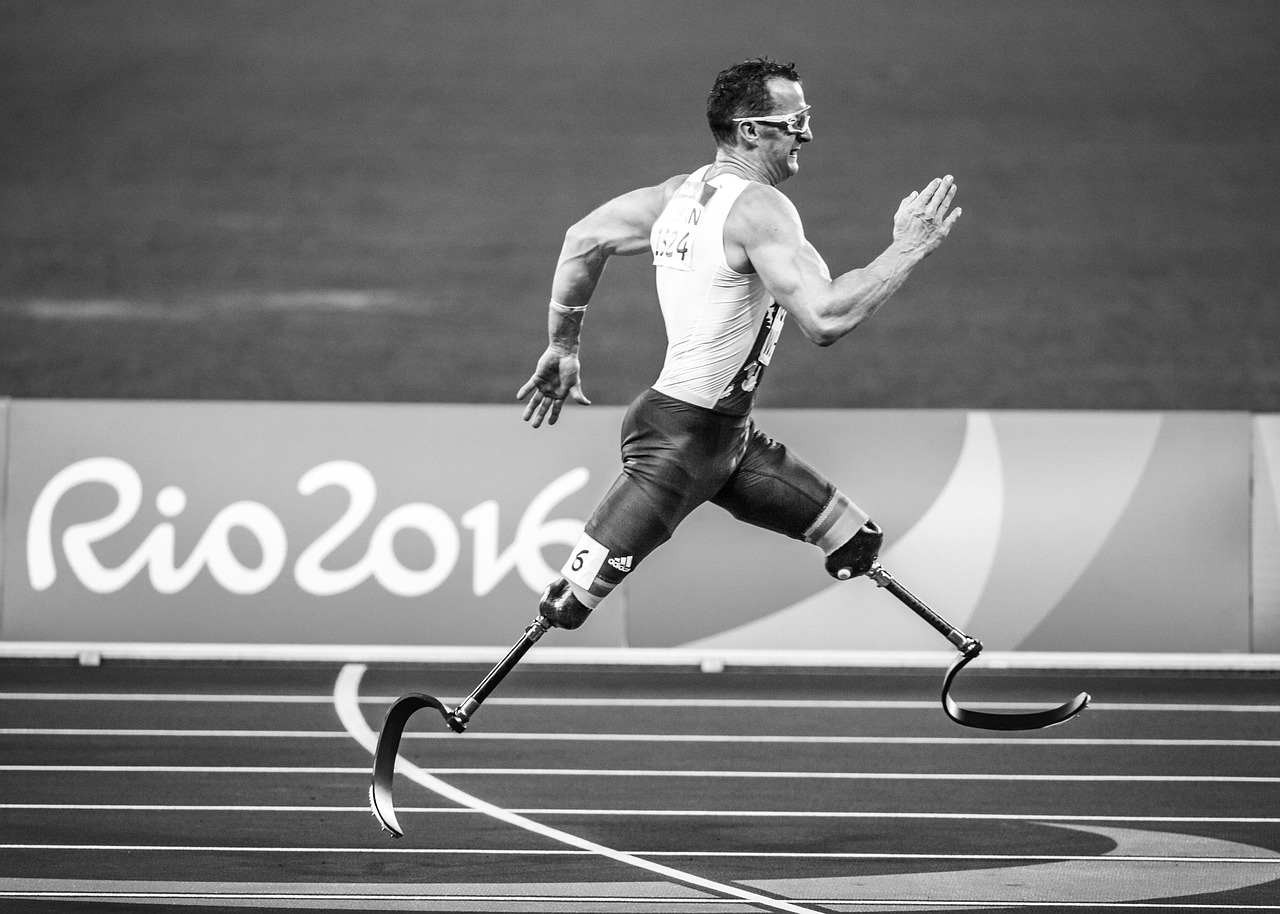
Adaptive sports clinics serve as vital platforms for older adults to engage in physical activities tailored to their needs. These clinics empower participants to discover new skills, promoting physical and psychological well-being. One of the most significant advantages of adaptive sports is the opportunity for social interaction, which is especially beneficial for those who may feel isolated due to age or disability. Moreover, engaging in adaptive sports can help improve motor skills, coordination, and flexibility. By participating in these clinics, individuals can boost their confidence and lead a more active lifestyle. Coaches and trainers at these clinics often provide personalized attention, ensuring that each activity is safe and appropriate for every participant’s ability level. Incorporating adaptive equipment, such as specially designed wheelchairs for basketball or hand cycles for cycling, makes it easier for older adults to participate fully. Many clinics also focus on wheelchair sports, seated volleyball, and other activities, offering comprehensive experiences. Engaging in adaptive sports not only enhances physical health but also contributes significantly to emotional resilience.
Participating in adaptive sports clinics offers a variety of benefits that positively impact the lives of older adults. These clinics not only focus on physical fitness but also emphasize mental well-being. Furthermore, they serve as a means of fostering community among participants, creating lasting friendships and support networks. Many older adults find that by joining adaptive sports clinics, they reassess their own capabilities and reshape their identity regarding aging. This shift in perspective can lead to enhanced motivation and an enthusiastic approach to daily activities. Clinics often provide training sessions that include both beginners and those with experience, allowing for collaborative learning and peer mentoring. In addition, the shared experiences in adaptive sports help participants to learn from one another. Sports and activities are tailored to cater to the varying skill levels of older adults, making sure everyone feels included. Keeping fit as one ages can mitigate the effects of age-related ailments and improve overall life satisfaction. These benefits create a holistic environment where physical fitness, emotional support, and strong network connections coalesce.
Types of Adaptive Sports Available
Several types of adaptive sports are available, allowing older adults to find the best fit for their interests and abilities. Each sport typically has specific adaptations that make participation viable and enjoyable. Popular options include wheelchair basketball, adaptive cycling, and seated volleyball, each providing unique experiences. Wheelchair basketball focuses on teamwork, strategy, and strengthening hand-eye coordination, while adaptive cycling offers various adaptive bicycles fitting individual needs. This type of sport helps enhance cardiovascular fitness and leg strength. Seated volleyball features a modified approach that allows players to enjoy the game while remaining seated; this versatility encourages participation regardless of mobility concerns. Other engaging activities include swimming programs, yoga classes, and dance sessions designed for older adults. Research shows that artistic movement, in whichever form, can foster creativity and encourage expression. Through diverse options in adaptive sports, older adults can refine existing skills while learning new ones. Discovering new activities fosters a sense of achievement, encouraging participants to push their limits and explore their passion for fitness. Such variety also allows individuals to transition into different sports as their abilities evolve.
One of the many advantages of adaptive sports clinics is the expert guidance offered by trained coaches. Coaches specializing in adaptive sports understand the unique challenges faced by older adults and individuals with disabilities, ensuring a supportive atmosphere. They provide tailored training plans based on individual capabilities, making sure that every participant receives the necessary encouragement and guidance. These experts also offer insights into proper techniques, reducing the risk of injury while maximizing the benefits of each activity. Additionally, coaches help participants set personal goals, encouraging them to work towards achievable milestones. Achieving these goals enhances confidence and often leads to a greater desire for participation. Creating an engaging and inclusive environment is the primary focus for these coaches, ensuring everyone feels comfortable and motivated. Emphasizing camaraderie and teamwork fosters friendships that go beyond the clinic. Hearing success stories from their peers not only inspires participants but also illustrates the physical and emotional transformations that can occur through adaptive sports. With a strong support system in place, participants often realize their potential and gain newfound appreciation for their abilities and resilience.
Building Community Through Adaptive Sports
Adaptive sports clinics play a crucial role in fostering strong community ties among participants. As older adults engage in sports together, they naturally form connections based on shared experiences. These relationships can provide an essential support network, particularly for those facing challenges related to aging or disabilities. Some clinics even create social events and activities outside of sports, further reinforcing these relationships. Celebrating milestones or achievements collectively helps participants not only feel accomplished but also seen and valued within their community. Many participants express that their involvement in adaptive sports clinics has significantly broadened their social circles. This sense of belonging offers not only emotional support but may also encourage individuals to participate more actively, combating feelings of isolation. Participating in team events strengthens trust and collaboration, further enriching the community experience. As participants forge friendships, they often support one another in various aspects of life, sharing resources and encouragement. Moreover, forming connections can lead to increased volunteer initiatives focused on helping others within the community, creating a cycle of empowerment and giving back.
Overcoming barriers in adaptive sports is vital for fostering long-term engagement among older adults. Many participants initially face apprehensions or concerns about their abilities. Adaptive sports clinics address these barriers head-on, creating an open and welcoming environment. Coaches and trainers encourage candid conversations about limitations and misconceptions surrounding disability. Many older adults do not realize how adaptive sports can enhance their lives and enrich their autonomy. Educating newcomers helps dismantle stigmas while actively challenging the misconceptions often associated with disabilities. Clinics often utilize adaptive equipment to ease participation, diminishing apprehension regarding capabilities before trying any sport. Participants are gradually introduced to new skills, progressively building confidence through small successes. Through exposure and practice, many discover their hidden talents and passions. The bright energy learners create together transforms the clinic environment into a vibrant, encouraging community. Adaptive sports clinics also encourage feedback from participants, fostering a collaborative atmosphere that promotes continuous improvement. This cycle of growth, understanding, and connection leads to enriching experiences, allowing individuals to thrive both within the sports world and in their everyday lives.
Long-Term Effects of Participation
Engaging in adaptive sports can lead to long-lasting changes that profoundly affect older adults’ quality of life. Physically, consistent participation enhances strength, flexibility, and endurance, all critical aspects of maintaining an active lifestyle. These improvements can translate to better mobility, greater independence, and enhanced confidence in daily activities. Emotionally, participants often report heightened self-esteem and resilience, qualities essential for facing life’s challenges. Moreover, the friendships formed during these clinics contribute to men and women feeling more connected to their communities. Studies have shown that participants in adaptive sports enjoy better mental health outcomes than those who do not engage in physical activity. The sense of achievement derived from mastering new skills and the support from peers develops a positive mindset among participants. This transformation often leads to individuals wanting to explore other interests, engage more with their families, and actively participate in their communities. Over time, the effects of adaptive sports extend beyond physical fitness, nurturing a more hopeful outlook on life. Older adults who invest in themselves through adaptive sports clinics often find increased joy and fulfillment as they age.
In conclusion, adaptive sports clinics provide invaluable opportunities for older adults to engage in physical activities designed specifically for their needs. They serve as a means of building community, overcoming barriers, and achieving personal growth through sport. By learning new skills and embracing new experiences, participants are not only improving their physical fitness but also nurturing a more profound sense of self-worth and resilience. Coaches play an essential role in guiding individuals through personalized training, fostering a supportive environment focused on collaboration and camaraderie. As relationships develop, older adults find social connections and redefine their perception of aging, leading to healthier, more fulfilled lives. Overcoming initial apprehensions creates pathways for lasting change and increased self-awareness. This ultimately enriches the overall quality of life. Participants often emerge not just as athletes but as empowered individuals inspired to continue pursuing new goals and challenges. Therefore, engaging in adaptive sports has remarkable benefits that extend into daily life, encouraging older adults to embrace their journey with renewed vigor and enthusiasm. Let this be a reminder that age should not limit the exploration of new skills and experiences.