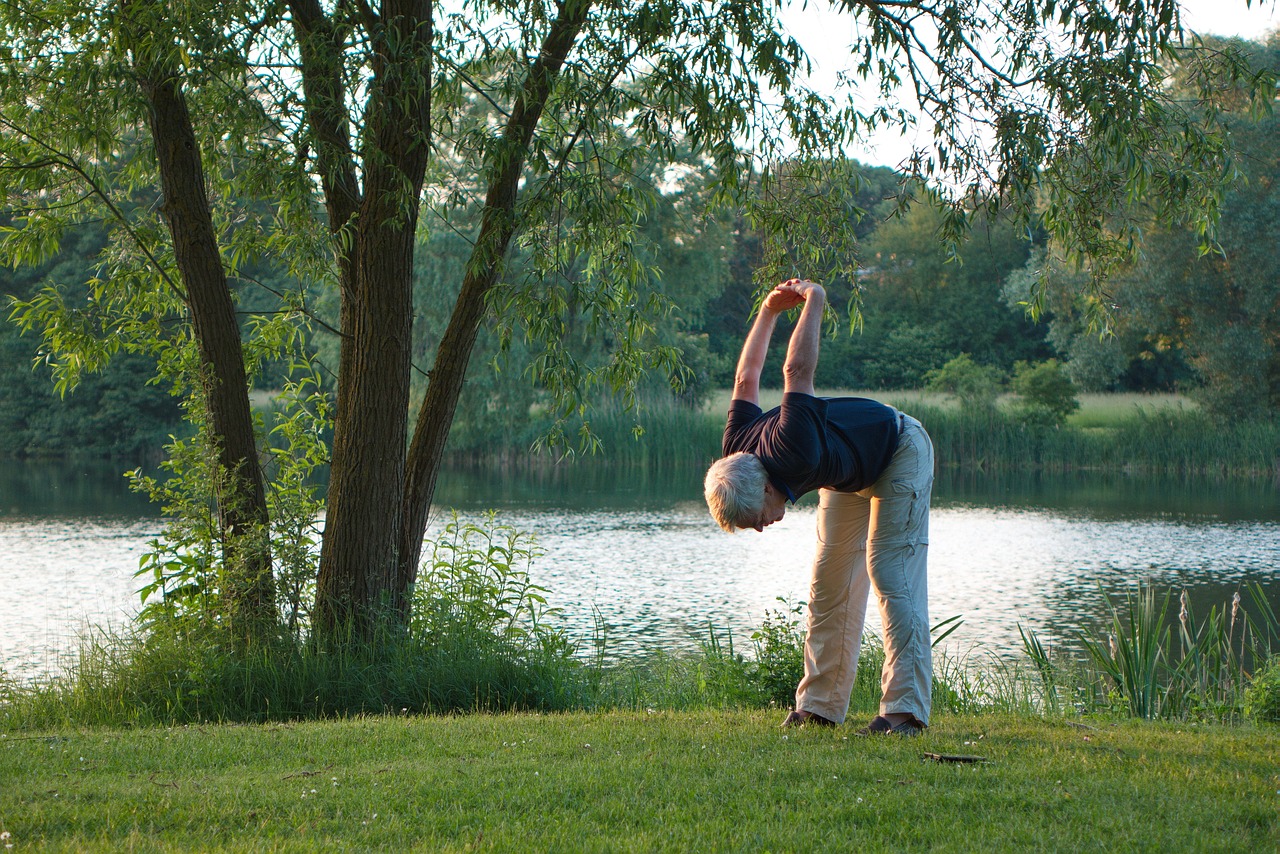

The Role of Bodyweight Exercises in Senior Rehabilitation Programs
Bodyweight exercises play a vital role in senior rehabilitation programs, immensely contributing to overall health. These workouts often consist of movements that utilize one’s own weight, making them accessible to seniors at various fitness levels. As flexibility and balance diminish with age, maintaining an active lifestyle becomes essential. Bodyweight exercises help enhance these aspects by providing effective resistance training without the need for equipment. Activities such as squats, lunges, and push-ups can easily be modified based on individual capability and needs. Moreover, incorporating these exercises allows seniors to build strength, which is crucial in preventing falls and thus improving overall quality of life. Safety becomes paramount, and seniors should always consult with healthcare professionals before beginning a new exercise routine. Personalized approaches can ensure that modifications are made as necessary, avoiding injury while maximizing benefits. This type of training fosters independence, enabling seniors to partake in daily activities with greater ease. Bodyweight exercises not only promote physical well-being but also enhance mental health, instilling confidence and a sense of accomplishment that uplifts spirits. Recognizing these benefits encourages more seniors to engage actively in their own rehabilitation journey.
Furthermore, community involvement can amplify the effectiveness of bodyweight exercises in senior rehabilitation. When seniors exercise in groups, it fosters a sense of belonging and motivation, encouraging them to adhere to their fitness routines. Support from peers can elevate the overall experience, making workouts enjoyable and less daunting. Many rehabilitation programs now incorporate classes where seniors can perform bodyweight exercises under professional supervision. Additionally, trainers can modify activities to ensure each individual’s comfort and safety, accommodating various health conditions. The social aspect is often underrated; engaging with others motivates seniors to push their boundaries while having fun. In these instances, exercises can be even more enjoyable, as sharing experiences can provide both laughter and mutual encouragement. Furthermore, strong community ties have been linked with improved mental health outcomes, creating a more holistic approach to rehabilitation. By emphasizing bodyweight exercises in a community setting, seniors may see enhanced results. As they progress toward their goals, success stories can inspire others, creating ripple effects that promote health among senior populations. Reassessing comfort levels regularly sustains engagement and growth, which reinforces the crucial role of bodyweight exercises in this demographic’s recovery and rehabilitation journey.
A major challenge faced in senior rehabilitation is overcoming previous injuries or surgeries. Bodyweight exercises offer a gentle yet effective pathway to regain strength and mobility. Slowly reintroducing movement through low-impact exercises can gradually enhance physical stability. For instance, modified squats can help restore leg strength post-knee surgery, or wall push-ups can build upper body strength without excessive strain. Each exercise can be scaled to match the individual’s recovery rate, ensuring that they do not push beyond their limits. Additionally, consistent practice facilitates better range of motion, which is often compromised due to aging or injury. Adhering to a steady exercise routine is vital; it fosters patience and trust in the rehabilitation process. Caregivers and family members should play supportive roles, encouraging participation without putting pressure. Establishing a routine encourages accountability and dedication, which leads to better rehabilitation outcomes. Lifestyle changes may also be necessary alongside the exercise program, emphasizing a comprehensive approach to wellness. Nutritional adjustments can synergistically support physical rehabilitation. Ultimately, the synergy between bodyweight exercises and a supportive environment enhances recovery, fostering a long-term journey of health and vitality for seniors.
Psychological Benefits of Exercise
A complementary benefit of integrating bodyweight exercises into senior rehabilitation programs is the profound psychological impact they can deliver. Engaging in physical activity has been proven to reduce symptoms of anxiety and depression among seniors. The release of endorphins during exercise helps elevate mood and enhances cognitive function. Moreover, achieving fitness milestones, even small ones, can significantly boost confidence and self-esteem. The incremental improvements achieved through bodyweight exercises allow seniors to feel a sense of accomplishment. This empowerment cultivates a more positive outlook on life. Furthermore, participating in structured exercises fosters routine and purpose, combating feelings of isolation and despair that some seniors may experience. As they gather in group sessions, bonds are formed, enriching lives socially and emotionally. Recognizing the mental health benefits of exercise is crucial for encouraging participation, as this can lead to improved adherence to rehabilitation programs. Encouragement from trainers and fellow participants can create a positive atmosphere, helping to diminish feelings of loneliness, which enhances overall mental well-being. Investing in both physical and mental health is essential in rehabilitation, so integrating these exercises cultivates a comprehensive approach to wellness.
Another significant advantage of bodyweight exercises in senior rehabilitation is their affordability and accessibility. Unlike traditional workouts requiring specialized equipment, bodyweight exercises can be performed almost anywhere. This characteristic aids seniors who may have limited access to gyms or fitness facilities. By leveraging their own body weight, seniors can engage in effective workouts within the comfort of their homes or local communities. Required tools are minimal, often including just a sturdy chair or a wall for support. Creating home-based routines encourages consistency and makes it easy for seniors to maintain their progress outside structured programs. Local parks or community centers can also host outdoor workout sessions, creating inviting atmosphere while encouraging social interaction. Accessible programs increase engagement levels, making seniors feel empowered to participate actively. Through engaging visuals and guidance from instructors, bodyweight exercises can enhance understanding, ensuring correct execution to prevent injuries. Thus, affordability and accessibility combine to create inclusive fitness programs suitable for diverse populations of seniors. Transitioning to home workouts allows for personalization and flexibility, accommodating individual preferences and schedules which enhance long-term adherence to rehabilitation goals.
Integrating technology into senior rehabilitation programs can further enhance the practice of bodyweight exercises. Today, numerous applications and websites provide guided workouts tailored specifically for seniors. Various video demonstrations, tutorials, and progress tracking tools can empower seniors to exercise independently at home. Such resources can also inform caregivers and family members regarding suitable exercises, ensuring a comprehensive support system. Additionally, utilizing wearable technology can provide insights into heart rates, activity recognition, and calorie tracking. This level of data collection adds an additional layer of monitoring, ensuring that seniors remain within safe exercise limits. Providing real-time feedback on performance can promote self-awareness, prompting adjustments for optimizing routines. However, it’s essential to maintain balance; technology should supplement rather than replace human interaction. Ensuring that seniors continue to receive personalized guidance from trained professionals fosters safety and prevents injury. Blending traditional methods with technological resources creates a well-rounded approach to rehabilitation. This holistic model nurtures both physical abilities and emotional connections. By embracing innovation while valuing personal touch, bodyweight exercises can lead to remarkable transformations in senior rehabilitation outcomes, promoting active lifestyles well into advanced age.
Finally, fostering a culture of motivation and encouragement becomes pivotal in senior rehabilitation programs focusing on bodyweight exercises. The role of trainers, healthcare professionals, and family members in uplifting seniors cannot be overstated. Providing positive reinforcement for every improvement — no matter how minor — stimulates confidence and encourages continued engagement. Developing a supportive environment where seniors feel safe to express concerns, share triumphs, and seek advice is crucial. Creating goals based on individual capabilities allows each participant to appreciate their journey uniquely. Celebrating milestones can serve as motivation for the entire group, cultivating camaraderie among participants. Opportunities for seniors to become mentors or share experiences with peers can enhance their own confidence as well. Furthermore, establishing challenges or friendly competitions can spark motivation by encouraging seniors to push their boundaries while having fun. This collective experience fosters unity, creating social bonds that last beyond classes. Building a network of support encapsulates the essence of rehabilitation, emphasizing the importance of community in health journeys. As seniors continue their bodyweight exercise practice, applying motivational techniques allows them to thrive physically and emotionally, ultimately redefining aging narratives through strength and resilience.