
Overcoming Common Challenges in CrossFit Seniors Workouts
CrossFit offers a unique blend of strength training, cardio, and functional movements, which can be beneficial for seniors looking to enhance their fitness levels. However, embarking on a CrossFit journey may bring forth common challenges tailored to seniors. First and foremost, the risk of injury is a significant concern. Due to age-related changes in joints and muscle elasticity, seniors must approach workouts with caution. Engaging in exercises that promote flexibility, balance, and low-impact routines can mitigate these risks. Incorporating a thorough warm-up routine is essential. It prepares the body for physical activity and includes dynamic stretching to enhance mobility. Additionally, consulting with a knowledgeable trainer who understands senior fitness is paramount. They can individualize workouts based on the senior’s abilities and health conditions. This guidance ensures that seniors engage in appropriate movements and levels of intensity. Another common obstacle is the mental barrier of stepping into a competitive environment. Encouragement and support from trainers and fellow participants foster a positive atmosphere and promote confidence. With modifications and the right mindset, seniors can thrive in a CrossFit setting, paving the way for improved health and wellness.
Ensuring proper nutrition is crucial for seniors participating in CrossFit workouts. Nutrition plays a vital role in recovery and overall performance. Many seniors may face difficulties in obtaining adequate protein intake, which is essential for muscle repair and development. It is advisable to focus on nutrient-dense foods. Incorporating lean proteins like chicken, fish, and plant-based options can work wonders. Additionally, staying hydrated is an often-overlooked aspect. Seniors must ensure they are consuming sufficient fluids before, during, and after workouts. Dehydration can lead to fatigue and decreased exercise quality. Another important aspect is the ability to listen to one’s body during workouts. Unlike younger athletes, seniors may experience varying levels of energy and endurance. Recognizing when to scale back or modify movements is essential for maintaining safety. Some simple strategies include utilizing a lower weight and performing exercises at a more manageable pace. The emphasis should not be solely on competition but on personal progress and achievement. Furthermore, establishing a consistent routine sets the groundwork for sustained motivation. By maintaining regular attendance, seniors can witness improvements and heighten their overall enjoyment in a CrossFit-like environment.
Importance of Community and Support
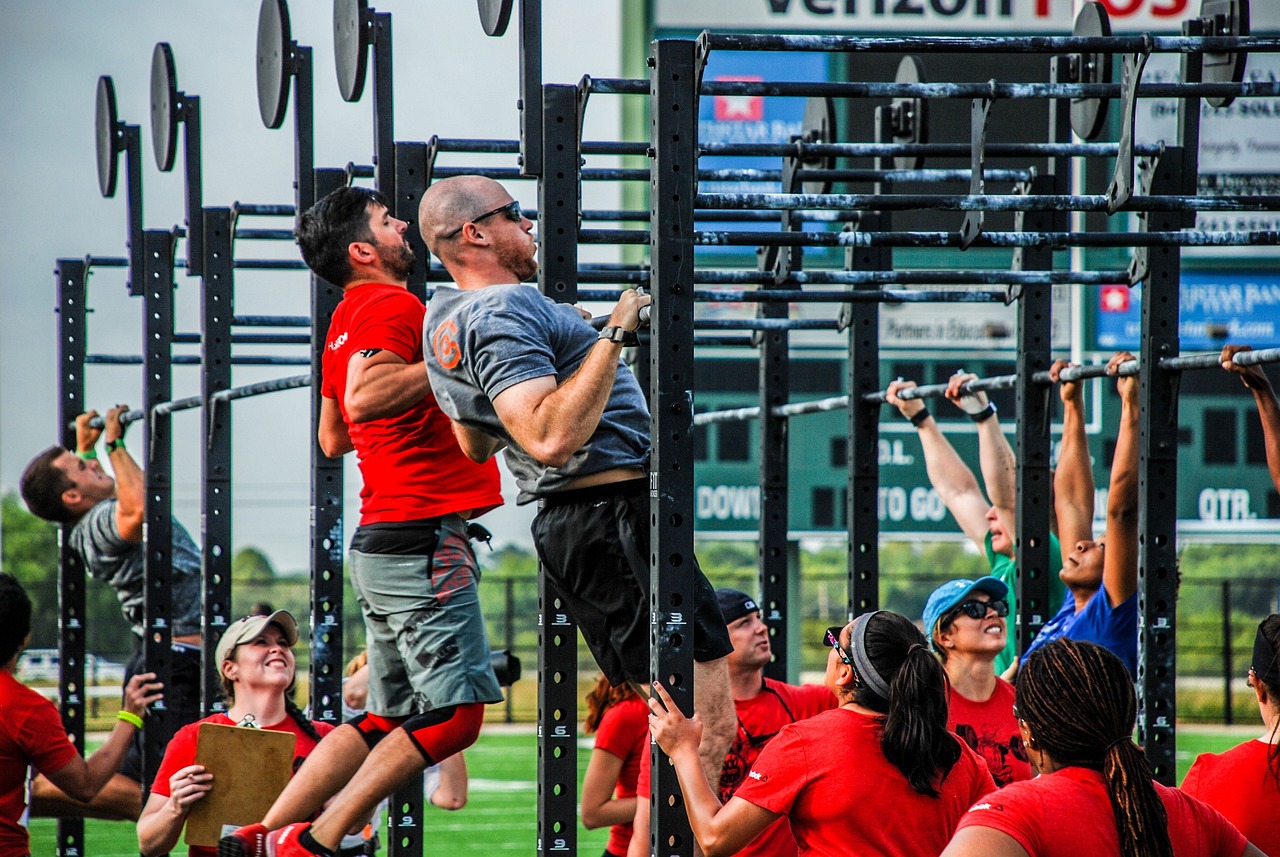
One of the standout features of CrossFit is its strong sense of community. For seniors, this aspect can be incredibly beneficial. Facilities are often inclusive, offering a supportive atmosphere where older adults can connect and bond. Engaging with peers fosters accountability, camaraderie, and encouragement, all of which are instrumental in overcoming barriers. Sharing experiences and personal stories can create a sense of belonging, making it easier to commit to their fitness journeys. Instructors play a significant role in promoting this culture of support. Their encouragement boosts confidence and motivation, helping seniors tackle challenges head-on. Moreover, social interaction through group classes can combat feelings of isolation that sometimes accompany aging. Participants often form lasting friendships which further enrich their experience. Celebrating each other’s achievements, both big and small, can enhance satisfaction and drive continued involvement. Moreover, community events such as health seminars and educational workshops provide seniors with valuable resources. Knowledge regarding body mechanics and nutrition can have a profound impact on their approach to fitness. Thus, the community aspect in CrossFit is pivotal for sustained interest, enjoyment, and successful growth.
Progressive overload is a principle every athlete should understand, including seniors in CrossFit. The key lies in developing strength and endurance gradually. This strategy not only enhances physical capability but also significantly reduces the risk of injury. In CrossFit, workouts can often be scaled to meet individual needs, allowing seniors to advance at a comfortable pace. For instance, rather than performing high-intensity workouts immediately, seniors can begin with modified versions that gradually increase in complexity as they gain strength and confidence. This could mean opting for reduced weights or fewer repetitions while still participating in the same classes. Another aspect of progressive overload is tracking improvements. Keeping a log of workouts enables seniors to visualize their journey, marking milestones in strength and endurance. This documentation aids motivation as seniors can see tangible results over time. Additionally, focusing on mastering foundational movements can provide significant benefits. Emphasizing proper technique and form will yield better results and diminish injury chances. Seniors should prioritize this during training to gain long-lasting health benefits while enjoying their CrossFit experience.
Understanding Recovery
Recovery is a crucial component of any exercise routine, especially for seniors. With aging bodies, recovery times may vary, necessitating attention to adequate rest and self-care strategies. After a vigorous CrossFit session, seniors may experience soreness or fatigue, which is perfectly normal. Incorporating active recovery days filled with light activities such as walking or yoga can work wonders for improving flexibility and circulation. Additionally, emphasizing techniques like foam rolling or stretching can alleviate muscle tension and improve blood flow. Sleep also plays a foundational role in recovery; getting quality sleep enhances hormone regulation and muscle repair. Furthermore, integrating restorative practices like meditation or deep breathing can aid mental well-being, promoting relaxation. Nutrition remains synonymous with recovery. Post-workout nutrition that includes protein and carbohydrates can replenish energy and support muscular recovery. Seniors should aim for well-balanced meals incorporating whole foods. Furthermore, understanding individual recovery needs is crucial; not all bodies are the same in how they respond to workouts. Therefore, seniors should monitor their body’s signals, ensuring they provide themselves adequate periods of rest. Fine-tuning recovery practices will lead to sustained fitness levels and long-term engagement.
Another common challenge seniors face in CrossFit is mobility restrictions. As age progresses, many individuals experience decreased range of motion, resulting in limitations when performing certain exercises. To address this issue, incorporating mobility training into regular routines can enhance flexibility and function. This can include dynamic stretches, foam rolling, and specific mobility drills targeting key areas, such as hips and shoulders. Furthermore, recognizing individual limitations is key. Seniors should communicate with coaches about any issues they have, enabling trainers to provide appropriate modifications or alternative exercises. Utilizing tools such as resistance bands or stability balls can facilitate improved mobility while ensuring safety during workouts. Additionally, integrating low-impact activities like swimming or cycling can complement CrossFit training and promote overall movement quality. Maintaining strength, balance, and flexibility will facilitate daily activities and reduce the risk of falls. Finding joy in movement fosters consistency and enhances fitness levels. Moreover, seniors should not hesitate to participate in classes specifically designed for their age group, ensuring a comfortable and encouraging environment. Ultimately, addressing mobility challenges not only enhances performance but also enriches seniors’ quality of life.
Final Thoughts on CrossFit for Seniors
In conclusion, while there are numerous challenges associated with CrossFit workouts for seniors, overcoming these obstacles can lead to incredible benefits. From improved strength, and flexibility, to enhanced community engagement, seniors gain opportunities that significantly enrich their lives. It is essential to prioritize safety and modifications tailored to individual needs throughout the journey. Seniors should confidently approach their fitness goals, leveraging resources available within the CrossFit community. Nurturing a sense of belonging while engaging in shared experiences offers motivation and support. Ultimately, transforming challenges into pathways for growth is vital. With proper recovery techniques, nutritional awareness, and mindfulness about limitations, seniors can pave the way for successful and long-lasting fitness journeys. Consistency remains key; small incremental changes culminate into profound results over time. Additionally, finding enjoyment in the process encourages sustained participation while reinforcing health. Encouragement should come from within, knowing that every workout contributes to overall betterment. Therefore, embracing CrossFit can provide more than just physical benefits; it builds resilience, confidence, and a profound sense of achievement. As more seniors engage, they will undoubtedly inspire others, paving the way for an increasingly active and fulfilling lifestyle.