
How to Create a Postpartum Fitness Space at Home
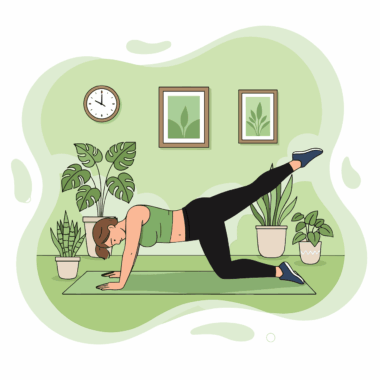
Creating a dedicated postpartum fitness space at home is vital for new mothers looking to regain strength and wellness effectively. Start by identifying a specific area within your home that can focus solely on your workouts. This space should be free of distractions, ensuring that you can fully concentrate on your fitness routines. Consider using your living room, basement, or even an outdoor patio if weather permits. Ensure you have enough room for movement without barriers. Choosing the right location can significantly enhance your performance and motivation levels. Additionally, make sure this space is comfortable and inviting, as you will be spending time here. Incorporate good lighting, which creates a positive atmosphere and plays a role in your mental well-being. Investing in a few key home workout equipment pieces starts with essentials like yoga mats, resistance bands, and dumbbells to begin your journey. Don’t forget personal touches like motivational quotes or images that uplift your spirits during workouts. Understanding your space will allow you to achieve a more intimate connection with your fitness goals.
Essential Home Workout Equipment for Postpartum Fitness
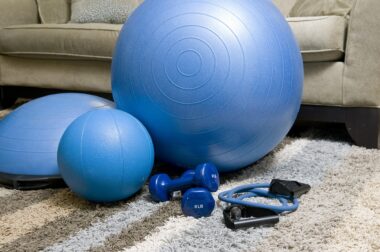
The right workout equipment can significantly impact your postpartum fitness journey. Prioritize items that offer versatility and can be easily stored after use. Begin with a high-quality yoga mat, which provides a cushioned surface for various exercises like stretching, yoga, or strength training. You might consider resistance bands, which are excellent for low-impact strength workouts and easy to adjust intensity. They are lightweight, portable, and perfect for multitasking workout options. Consider investing in dumbbells ranging from light to moderate weights based on your strength level and progress. A combination of adjustable weights can efficiently cater to your changing fitness needs. A stability ball is another fantastic piece of gear that enhances core workouts, helping improve balance and stability. Lastly, a foam roller can assist in recovery post-workout by alleviating muscle soreness. Seek out equipment that fits comfortably in your designated area, as this will encourage regular use. Choose colors and aesthetics that motivate you and contribute to a positive workout environment. Research options online or gather helpful reviews to ensure your equipment investment is beneficial long-term.
Along with equipment, effective storage solutions are crucial in maintaining an organized workout space. Keeping your fitness area tidy can help improve focus and make it more inviting to workout. Fascinating storage options like baskets or shelving can house smaller items such as resistance bands and dumbbells easily. Consider installing hooks or racks for hanging larger items to maximize space and accessibility. Use a small cabinet or storage bench to keep everything tucked away when not in use. This can help maintain an uncluttered, welcoming flow in your fitness area. Elite organization contributes positively to your motivation and dedication during workouts. You might also think about design elements, such as mirrors, to enhance light and space perception. Having a full-length mirror helps you monitor your form, ensuring you perform exercises correctly and safely during your postpartum fitness journey. Personalize your workout environment based on your preferences, as these thoughtful touches can make a significant difference. By investing time in both equipment and organized storage solutions, you can create a workout space that truly serves your postpartum fitness needs.
Creating a Motivating Atmosphere
Beyond equipment and storage, the atmosphere in your fitness space matters. An uplifting environment fosters motivation and positivity, so consider how you can enhance the ambiance. Use warm lighting or even fairy lights to create a cozy vibe. Consider utilizing sound systems for music—an essential element known for boosting energy levels during workouts. Choose playlists that resonate with you and help in maintaining enthusiasm throughout your sessions. Authenticity is crucial here, as it should feel comfortable and welcoming. Personalize the space with items that inspire you—photos, plants, or even scented candles to create a relaxing atmosphere. You might wish to create a vision board showcasing your goals or motivational quotes to help you stay focused during workouts. A well-thought-out atmosphere acts as a mental cue that signifies workout time, helping you transition from daily duties to fitness modes seamlessly. Decor can also include your favorite colors, as they are often uplifting. Dedicating effort to cultivating a motivating atmosphere makes exercising an enjoyable experience while supporting your journey to prenatal recovery.
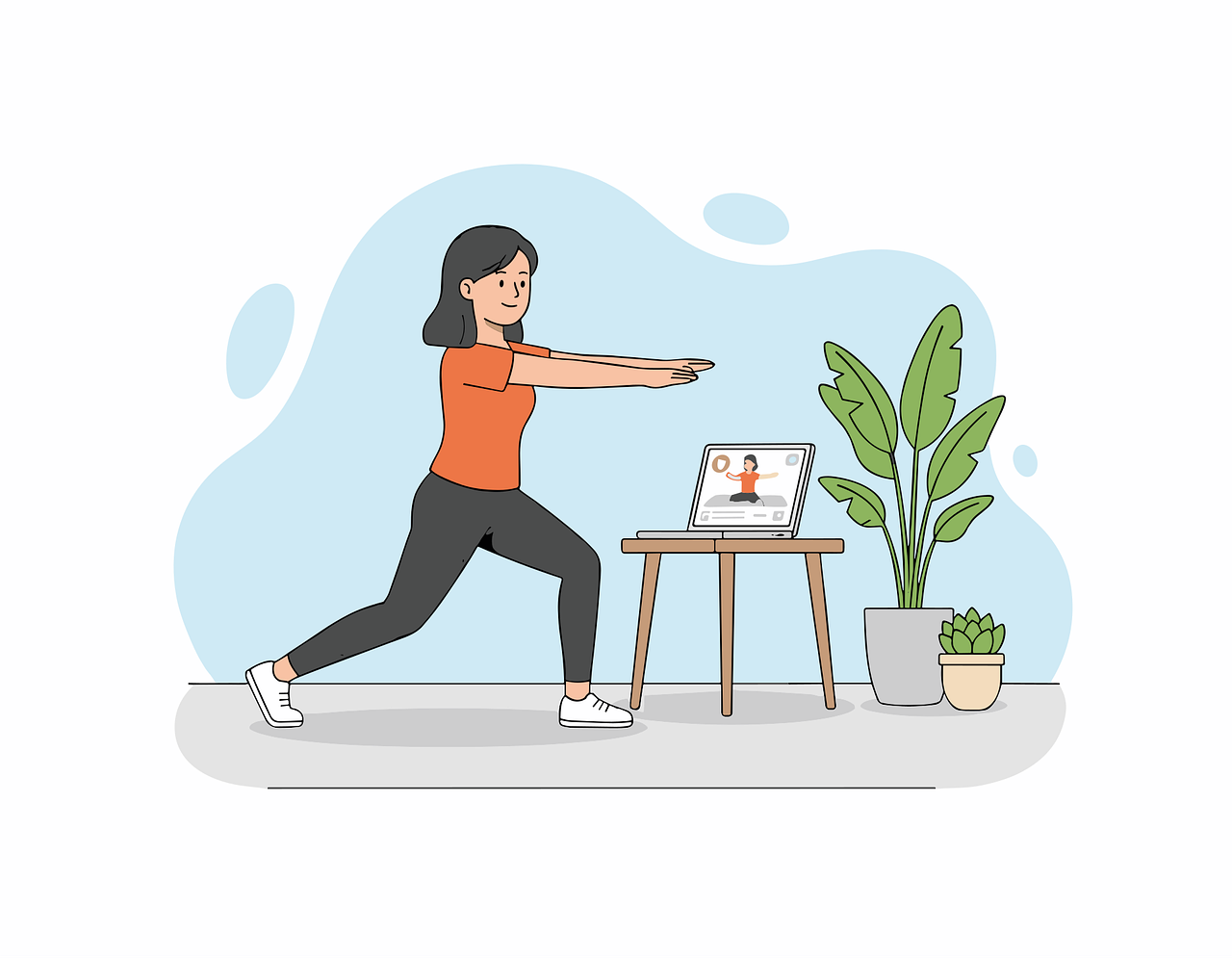
Another vital aspect of a postpartum fitness space is accessibility. As new mothers often juggle various responsibilities, having your workout space readily accessible can make getting in your session easier. Design your workout zone near areas where you may spend a lot of time, such as the family room or kitchen, ensuring you have motivation and convenience. Both physical and emotional accessibility is essential when you have limited time. Create a schedule that fits seamlessly within your daily routine—aim for times when your baby is napping or during your partner’s presence at home. Prepare your environment in advance, perhaps laying out your mat or prepping snacks prior to your workout sessions. Consider using apps or online classes that provide on-demand workouts, enabling you to exercise on your schedule. Keep fitness tools readily available so that you can jump into a workout whenever you have a moment. Prioritizing accessibility can help create a sustainable habit that promotes long-term fitness success. With strategic planning in place, you can integrate fitness into your life more effortlessly, promoting overall well-being.
Incorporating Family Into Your Workout
Finding balance between postpartum workouts and family time can be a challenge; however, integrating fitness into family activities can be beneficial for everyone. Make your fitness space a welcoming part of family life, encouraging your partner or older children to join in with fun exercises. Simple activities like stretching or playful workouts can make fitness an enjoyable bonding experience. Consider using workout videos that cater to families, which can create an inclusive feeling while teaching healthy habits. Group workouts can extend outside as well, enabling family bike rides or playing active sports. Additionally, consider modifications that incorporate your baby, building stability and strength while enhancing your connection. Baby-wearing workouts or stroller exercises can create a seamless blend of fitness and family time. Engaging your family in this manner lays the groundwork for a lifelong appreciation of health and fitness. Be open to including various forms of physical activity without losing sight of your core postpartum recovery goals. This approach fosters joy in movement while supporting each other as a family in health pursuits.
Lastly, always prioritize safety in your postpartum fitness space. As the body adjusts post-pregnancy, understanding limitations is crucial for effective recovery. Consult with healthcare professionals or fitness experts specializing in postpartum training to ensure exercises are safe and effective. Familiarize yourself with proper techniques to prevent injuries and discomfort during workouts. Maintain proper hydration and nutrition, nurturing your body as it adapts through this remarkable transition. Each workout should be approached with care, monitoring how your body feels throughout. Additionally, make sure your workout environment is hazard-free, keeping away any items that could disrupt your flow or cause accidents. Safety equipment like non-slip mats will support both posture and prevent slipping injuries. Being proactive regarding safety contributes to a positive workout experience. While developing a workout routine, it is essential to listen to your body and adjust activities based on comfort levels. This approach enhances physical recovery while building a strong foundation for long-term fitness goals. Prioritizing safety not only benefits you but also serves as an excellent example for those around you.