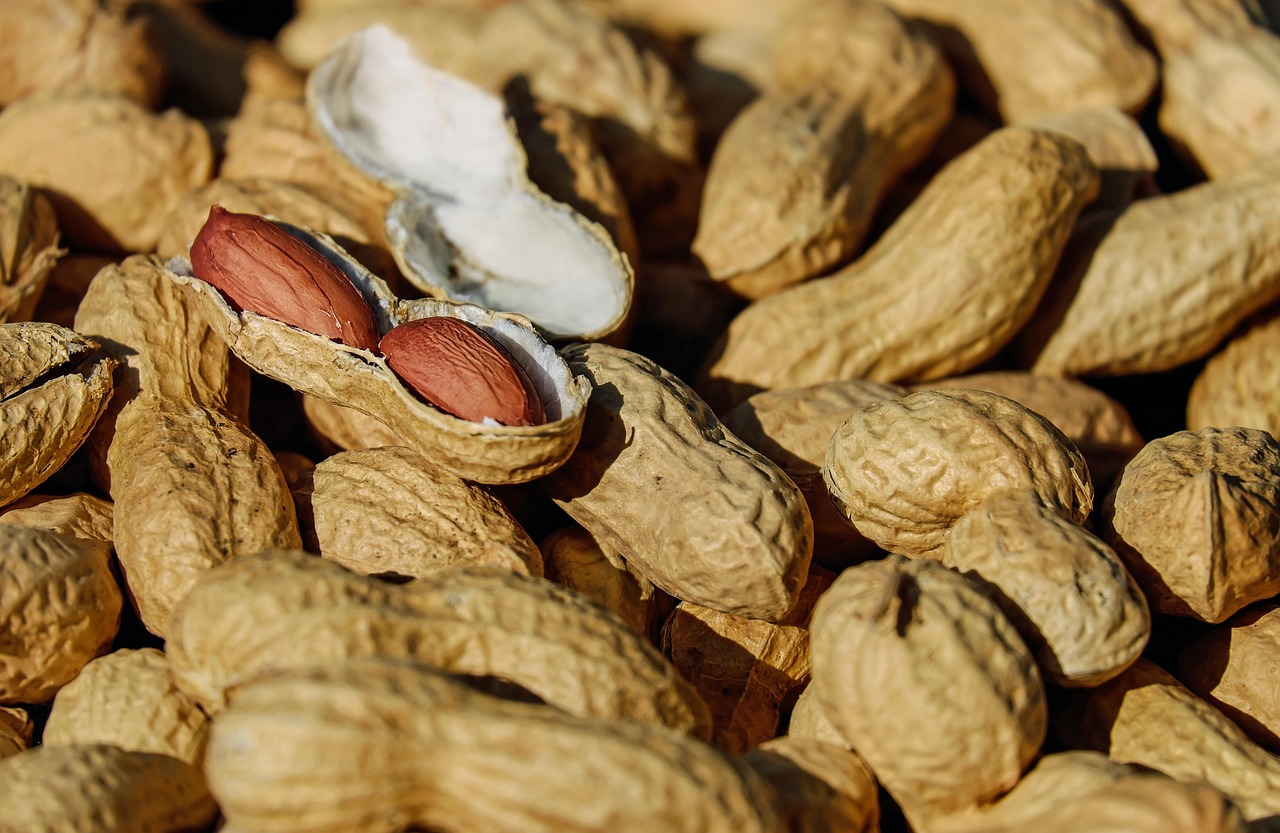

Does Snacking Cause Cravings? The Truth Behind The Myth
The narrative around snacking leading to cravings is widespread but often unfounded. Many believe that indulging in snacks during the day enhances one’s appetite, making it harder to resist larger meals later. However, this notion is nuanced, and various factors influence hunger and cravings. Understanding the context around snacking is essential. For instance, snacks can help maintain energy levels throughout the day, stabilizing blood sugar levels. When people skip meals, they may become overly hungry, leading to overwhelming cravings. Moreover, the types of snacks consumed can significantly affect our body’s responses. Healthier options like nuts, fruits, or yogurt can curb hunger, while highly processed snacks might trigger further cravings due to sugar highs and lows. Therefore, rather than vilifying snacks, it’s more beneficial to recognize the impact of meal balance on cravings. Balanced snacking could prevent the very cravings believed to result from eating between meals. Making wise choices about snacks could lead to enhanced nutrition and reduced overall hunger throughout the day. So, let’s start redefining our perspective on snacking—understanding that context matters.
Cravings often emerge from mental associations rather than mere hunger signals. When we think about our favorite snacks, feelings of desire arise that can feel like physical hunger. This psychological aspect plays a crucial role in craving behavior. Studies show that the brain’s reward centers are activated when we engage in snacking, particularly with foods high in sugar or fat. When indulged, these snacks create a cycle where the brain associates certain snacks with pleasure, promoting repeat behaviors over time. Understanding this can be empowering: we have the ability to choose our triggers. When mindful about snacks, we can pick healthier options that still provide satisfaction without overindulging. Overcoming cravings involves acknowledging these mental associations, which can be broken with different choices. Additionally, when we pay more attention to what we eat, recognizing true hunger versus emotional cravings can become clearer. Gradually, healthier habits can establish new associations that don’t lead to excessive craving behaviors. Hence, observing our eating patterns and adjusting the contents of our snack options is the key to mitigating unhealthy cravings.
Understanding Snack Choices
The distinction between healthy and unhealthy snacks is critical in this discussion. Healthy snacks generally contain essential nutrients that contribute positively to our overall health. For example, snacks that provide protein and healthy fats can be beneficial. Items like hummus with vegetables or a handful of nuts not only satiate but also promote satiety. These food types contribute to feelings of fullness and help ward off those pesky cravings. Conversely, unhealthy snacks, which are often high in sugar and empty calories, may lead to further cravings by causing spikes in blood sugar levels. An example is consuming sugary granola bars versus a piece of fruit. Knowing which snacks work towards our health goals is vital for controlling hunger. The consequence of poor snack choices can result in a cycle of cravings leading to temptations for unplanned binge eating. To create a healthy snacking habit, one can keep healthy snacks available and easily accessible, allowing for better choices during hunger moments. Remember, it’s not only about the cravings but a whole world of choices that can shape our eating habits.
Societal norms and marketing significantly impact our perceptions of snacks. Commercials, advertisements, and social media promote various snacks that often associate them with happiness, convenience, and lifestyle. These marketing tactics can create a psychological hook, making us seek comfort in snacking to fulfill emotional needs. Addressing these behaviors necessitates a critical look at how much influence these external factors hold over our choices. Reducing reliance on snacks formulated to satisfy cravings often requires breaking free from marketed notions of ‘guilty pleasures.’ Instead of allowing external influences to dictate our choices, it’s beneficial to evaluate our actual hunger levels and the nutritional value of snacks. This reflective approach can alter our perception of cravings, allowing more control over our nutritional decisions. Ultimately, cultivating awareness of how marketing influences us can lead to a healthier relationship with food overall. Making a conscious effort to choose snacks based on health rather than impulse can significantly alter our craving triggers. The implications stretch far beyond just cravings—they impact our overall well-being and health.
Craving Myths in Popular Culture
Another layer to consider is the myths perpetuated by popular culture surrounding snacking and cravings. Television shows and films often depict characters resorting to junk food when stressed or upset, popularizing unhealthy coping mechanisms. This creates a cultural norm where foods are used as emotional pacifiers. The portrayal of snacks in media creates unrealistic expectations and norms regarding eating behaviors. People subsequently internalize these habits, often thinking poor eating choices are acceptable when feeling sad or bored. Tackling this perception involves reframing how we think about snacks and cravings, especially in social contexts. Being mindful about our choices amidst peer pressure to snack on unhealthy options can empower us to make conscious decisions. Additionally, seeking alternatives for emotional comfort, such as engaging in hobbies or physical activity, can redirect the desire to snack rooted in emotional needs. Breaking away from these cultural myths around snacking can lead to more mindful eating. With patience and practice, the goal is to transform these narratives into healthier habits beneficial for both physical and mental health.
In conclusion, snacking does not inherently instigate cravings; instead, a complex interplay of biological, psychological, and societal factors influence our eating behaviors. Cravings often spring from habitual interests, emotional ties, and the types of foods we allow ourselves. To minimize unwanted cravings, establishing mindful snacking practices are essential. When well-informed about snack choices, the overall mindset shifts away from cravings toward nourishing decisions. For anyone looking to optimize their snacking habits, consider education and awareness around nutrition and meal planning. Young adults, particularly, must learn to navigate the myriad messages thrown at them about snacking. This critical engagement with one’s eating habits lays the foundation for healthier choices. Positively altering snacking experiences can lead to improved satisfaction and reduced cravings overall. Breaking down myths is vital for genuine wellness in today’s society where misinformation is prevalent. Encouraging open conversations about food choices helps destigmatize snacking and aligns it more closely with health goals. With the right mindset and tools, snacking can become an asset rather than an obstacle, paving the way to appreciating food responsibly and joyfully.
To achieve better snacking habits, it might be beneficial to keep a food diary that tracks what you eat and when cravings arise. By recording these patterns, one can identify triggers and make necessary adjustments. It’s important to assess the timing and type of snacks consumed. Paying attention to whether snacking occurred due to hunger or emotional reasons helps clarify these situations. If snacks are more frequently eaten due to emotional needs, consider addressing those underlying emotions instead. This critical exercise fosters mindfulness around eating behaviors and cravings, ensuring you can distinguish between physical need and emotional triggers. Creating a list of preferred healthy snacks can streamline this process and facilitate better decision-making. Implementing simple meal prep strategies can also make healthy snacks easily accessible when hunger strikes. The aim is to cultivate a habit where snacking nourishes the body positively rather than fulfills cravings driven by habits or stressors. Therefore, with proactive awareness, individuals can transform their relationship with snacks, reducing unhealthy cravings significantly.
By focusing on making intentional snack choices, you sharpen your ability to listen to your body’s needs accurately. This awareness promotes a healthier relationship with food overall. Understanding that snacks can be nourishing rather than merely indulgent or emotional allows individuals to embrace snacking fully within a balanced diet. Remember, it’s about moderation and a mindful approach rather than adhering to strict rules regarding food. By choosing snacks rich in nutrients, individuals can make positive adjustments to their cravings. This journey is unique for everyone, yet shared knowledge about healthy snacking can inspire said transformation. Transitioning to healthier snacks often requires commitment and experimentation. There’s no one-size-fits-all approach; swap out traditional snacks for healthier options gradually. Over time, this effort leads to finding alternatives that feel rewarding, making healthy choices easier. In time, recognizing cravings or food desires becomes more straightforward as awareness develops. Sharing resources with friends or family while refining personal snack choices can create a supportive network, making it an enjoyable endeavor. Ultimately, instead of letting cravings control your choices, you can reclaim your relationship with food, transforming it into a fulfilling and healthy part of your lifestyle.