
Virtual Reality Technology Advancements Driving Adaptive Fitness Innovation
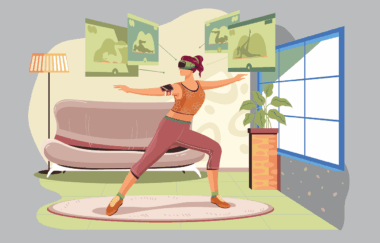
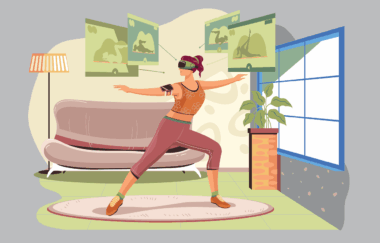
The evolution of virtual reality (VR) technology marks a significant turning point for adaptive fitness programs, transforming how individuals with disabilities engage with physical activity. VR provides immersive experiences that allow users to exercise in dynamic environments, promoting physical health and mental well-being. This technology caters to various disabilities, providing tailored experiences that enhance exercise motivation and engagement. As VR systems grow increasingly sophisticated, their ability to simulate diverse activities, from cycling to yoga, offers exciting opportunities for fitness. Adaptive fitness challenges are designed to meet the unique needs of participants, ensuring that everyone can safely and effectively participate. Furthermore, these innovations facilitate real-time feedback, helping users monitor their progress, which fuels achievement and encourages sustained participation. Virtual reality also fosters a sense of community, as users can connect with others in shared virtual spaces, leading to greater support and camaraderie. This social engagement can be crucial for maintaining motivation to stay active. Consequently, VR stands at the forefront of a fitness revolution, promising a more inclusive approach to health and well-being that benefits individuals with disabilities significantly.
The Role of Immersive Environments
Immersive environments created by virtual reality provide adaptive fitness enthusiasts with a level of engagement that traditional methods often lack. This technology creates realistic simulations where users can interact with their surroundings and complete exercises designed for their unique capabilities. For instance, a user with limited mobility can navigate a virtual park or beach, encouraging them to engage in movements tailored to their condition. Moreover, VR solutions often incorporate gamification elements, offering challenges that add an exciting aspect to workouts, making fitness enjoyable. By leveraging these immersive settings, users can achieve personal milestones and celebrate successes within a supportive virtual framework. Enhanced experiences in VR can significantly reduce feelings of isolation often encountered by those with disabilities. Interacting with user-friendly interfaces and helpful avatars allows users to build confidence while honing their physical skills. Multi-sensory feedback reinforces correct movements and encourages repetition, essential for skill development. By fostering active participation, VR holds the potential to revolutionize rehabilitation practices, transforming traditionally passive therapeutic methods into engaging, active experiences that yield better health outcomes.
Accessibility features are inherent in virtual reality, promoting friendly usability among individuals with various disabilities. Innovations have led developers to focus overwhelmingly on accessibility, ensuring that VR applications cater to the needs of diverse users. For example, customized settings can help those with visual impairments navigate virtual spaces effectively and safely, enhancing participation. Voice recognition allows hands-free control for upper limb impaired individuals, streamlining the user experience. Furthermore, researchers continue to investigate how sensory inputs can be tailored to accommodate different disabilities, maximizing the benefits of VR technology. This attention to detail not only empowers users but also emphasizes the importance of inclusivity in fitness technology. Engaging with VR in adaptive fitness programs enhances individuals’ capabilities while building confidence through accomplishments. These features underscore the importance of continuous innovation in adaptive fitness. By fostering connections among users from various backgrounds, VR has the power to create a supportive community driven by mutual encouragement. The interactive nature of VR encourages individuals to challenge themselves and pursue personal fitness goals, resulting in a transformative fitness experience for all participants.
Innovative Equipment Integration
Another remarkable development in adaptive fitness through virtual reality is the integration of innovative equipment designed specifically for individuals with disabilities. This equipment maximizes the potential of VR training experiences, ensuring users have the right tools to engage in their fitness journey successfully. Adaptive equipment can include modified stationary bikes, treadmills, or resistance machines, which allow for seamless compatibility with various VR scenarios. For example, a virtual cycling experience can be complemented by a stationary bike designed for wheelchair users, ensuring everyone can participate. Additionally, these adaptations enable users to experience activities they may have previously deemed impossible, thereby expanding their horizons. Many adaptive fitness centers are now incorporating VR technology into their offerings, catering to the needs of their members through creative interventions. This emerging trend galvanizes possible partnerships between fitness professionals and technology developers, pushing the boundaries of what can be achieved. As adoption increases, the availability of such equipment will improve, allowing a broader audience to engage with adaptive fitness solutions, ultimately promoting greater accessibility and inclusion in physical activities.
Moreover, the data analytics provided through VR technology can offer valuable insights into users’ fitness patterns and preferences. By collecting and analyzing performance data, fitness professionals can tailor exercise programs to meet individual needs effectively, ensuring that every participant receives the optimal support for achieving their goals. Tracking progress can motivate users while allowing them to visualize their enhancements. Additionally, detailed analytics foster improved accountability and commitment, as users are more likely to stay engaged when they see how far they’ve come. Integrating this technology offers an opportunity to enhance rehabilitation protocols for individuals recovering from injuries, crafting personalized recovery paths that maximize efficiency. Advanced data collection also enables researchers to better understand the unique needs of this demographic and how to improve VR applications. Therefore, the potential for better outcomes increases as specialized reports can be generated to guide professionals in their work. As adaptive fitness through virtual reality continues evolving, technology, when paired with human expertise, will establish more effective pathways for individuals managing disabilities.
The Social Impact of Virtual Reality
Alongside its functional advantages, the social impact of virtual reality in adaptive fitness cannot be understated. Creating supportive networks among users from diverse backgrounds enhances individual experiences while building communities centered on fitness and well-being. When people engage in VR exercises together, they naturally foster friendships and meaningful connections that support accountability. Being part of a community helps individuals with disabilities feel less isolated, counteracting feelings of loneliness that may arise from their situations. The social element of exercising together boosts motivation, as these relationships encourage individuals to attend sessions regularly and engage with the platform meaningfully. Whether through group challenges or daily check-ins, these shared activities foster collaboration, cultivating camaraderie and mutual encouragement. The virtual aspects allow users to easily share achievements and progress, generating a sense of collective accomplishment. This inclusivity equips participants with the necessary tools to overcome obstacles and pursue their fitness ambitions more decisively. As social connections within VR environments promote a sense of belonging, opportunities for personal growth multiply, creating an uplifting atmosphere where every member feels valued.
In conclusion, advancements in virtual reality technology are revolutionizing adaptive fitness by providing innovative tools, equipment, and community-building opportunities. As the industry matures, a diverse array of products and services aimed at users with disabilities will emerge, catering to their unique needs. By emphasizing accessibility and personalization, VR can dramatically change fitness for these individuals. As we continue to learn from user experiences and behaviors, the potential to refine and develop more effective solutions will grow. Collaborative efforts between developers, researchers, and fitness professionals play a critical role in shaping the future of adaptive fitness through virtual reality. Enhanced by ongoing advancements, virtual reality will fuel creative methods for individuals with disabilities to engage, connect, and thrive within their fitness journeys. Ultimately, these innovations will create a more inclusive approach that emphasizes health and well-being for everyone. As we look ahead, embracing the opportunities presented by this exciting technological frontier can ensure a brighter future for adaptive fitness. The integration of such creative solutions empowers everyone to adopt a healthier lifestyle, fostering resilience and personal growth.