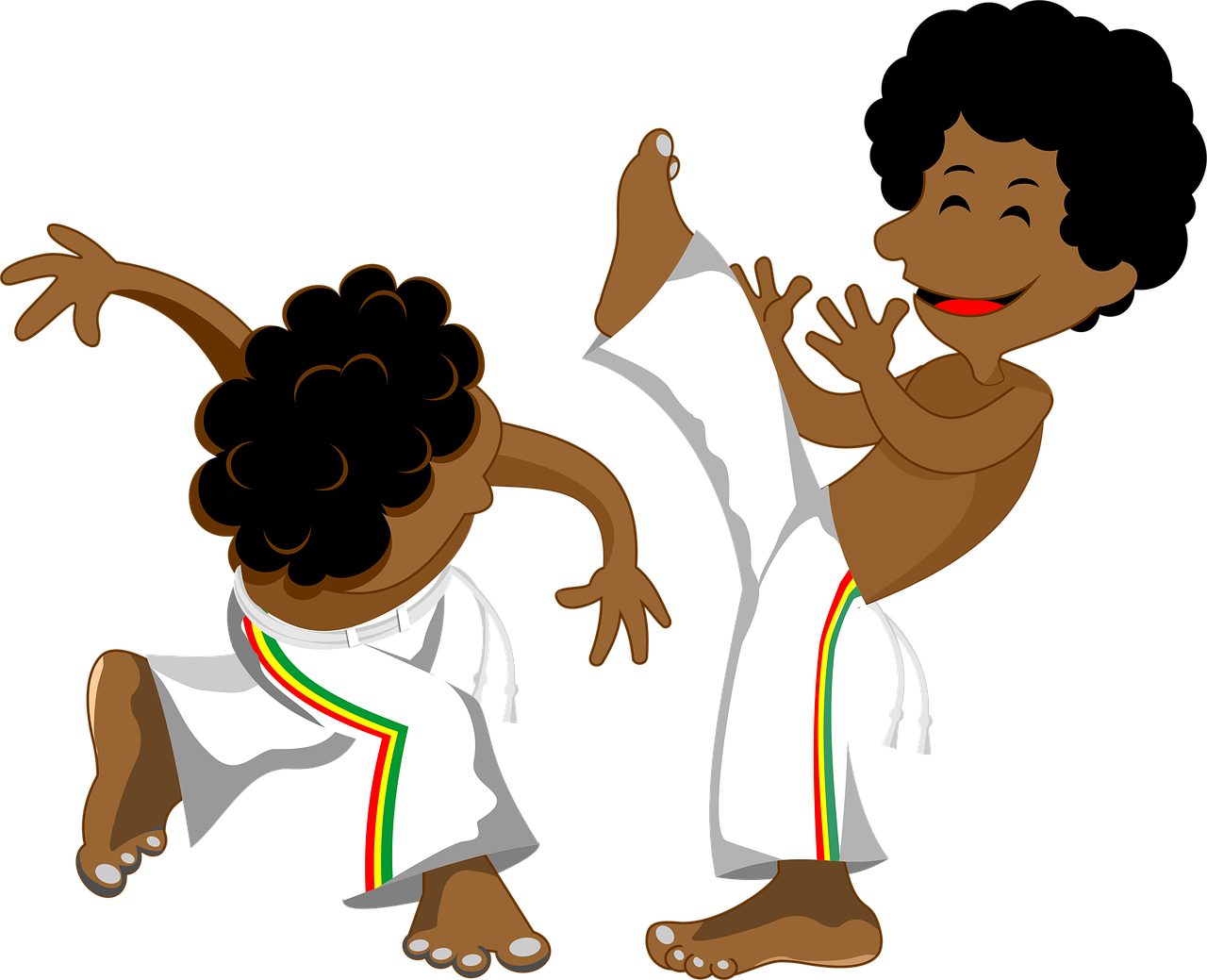

The Importance of Rhythm Instruments in Capoeira: Berimbau and Atabaque
Capoeira, a vibrant Brazilian martial art, intertwines movement with rhythmic music, creating a captivating performance form. The berimbau, a single-stringed instrument, is vital in guiding the tempo during capoeira sessions. It directs actions, signaling changes in rhythm that influence the players’ moves. The player, known as the “berimbau mestre,” strikes the string with a stick while using a stone to modulate the sound. This connection enhances the flow of the game, urging practitioners to adapt their techniques according to the rhythm. Furthermore, the berimbau’s unique sound creates an atmosphere rich in tradition and cultural significance, drawing from African heritage. It teaches coordination and fosters team spirit among participants, cementing its role within capoeira’s framework. Understanding the importance of this instrument helps practitioners appreciate the art form more deeply. To master capoeira, it is essential to develop an ear for the berimbau’s rhythms, recognizing how it shapes the dialogue between players. As one delves into capoeira, the auditory experience becomes as important as the physical movements, revealing a deeper connection to cultural roots and collective expression.
The Berimbau’s Role in Capoeira
In capoeira, the berimbau acts as a musical conductor, guiding the flow and progression of the game. Its melodic tones and beats allow players to tune their moves and strategies based on the rhythm. The style of play, whether aggressive or defensive, is deeply influenced by the berimbau’s melody. A slow tempo may encourage players to showcase intricate moves, while a faster tempo prompts lively exchanges. As a result, mastering the berimbau involves not only technical skill but also an understanding of how it affects gameplay. The instrument is also considered a symbol of resistance, reflecting capoeira’s historical roots in Brazilian slavery. This aspect adds a layer of cultural context and pride to the practice. Furthermore, the diverse techniques of playing the berimbau contribute to its significance. Capoeira schools teach students not just to listen but to feel the music, understanding how it reflects the emotions of the juego. Therefore, it becomes increasingly clear that the berimbau is more than just an instrument; it is an essential part of capoeira’s identity and a key element in the art form that fosters community and connection.
Accompanying the berimbau, the atabaque plays a crucial role in enriching the musical landscape of capoeira. The atabaque, a large hand drum, complements the berimbau’s sounds, adding depth and rhythm to the session. The distinct bass notes resonate throughout the roda, energizing the atmosphere and encouraging players to engage more dynamically. Players can improvise based on the rhythms played by the atabaque, responding to its pulsing beats. This connection between the atabaque and the evolution of capoeira forms a robust dialogue, where the drum’s patterns inspire unique movements. The traditional rhythms contribute to maintaining cultural authenticity, preserving the essence of capoeira’s African influences. Furthermore, learning to play the atabaque also fosters a sense of community among practitioners. Each rhythm played can evoke particular feelings, motivating players and influencing their interactions. Through this collaboration of instruments, musicians and capoeiristas craft an experience that nurtures a collective spirit. Thus, understanding the atabaque’s role in capoeira is vital for anyone aspiring to deepen their connection with the art form, promoting camaraderie and reinforcing the shared cultural heritage that this martial art represents.
Both the berimbau and atabaque serve not just as instruments but also as vehicles for cultural transmission. They communicate the history of capoeira, sharing stories of resistance, resilience, and unity in the face of adversity. The sounds produced remind practitioners of their heritage, connecting them to a lineage that predates their individual experiences. These instruments have the power to evoke emotions, forging bonds between players who share a common passion. In addition, the incorporation of traditional rhythms fosters respect for the art form. Practitioners learn that every strike on the berimbau or beat on the atabaque carries a significance that transcends mere entertainment. This rich narrative invites participation from newcomers, encouraging immersion in the cultural environment of capoeira. As players learn the sounds of these instruments, they become part of a larger movement—one that honors those who preserved this art form amidst challenges. Furthermore, educational initiatives that highlight the importance of these instruments serve to enrich the community’s understanding of capoeira, bridging generations and reinforcing a sense of belonging among practitioners. By valuing the cultural significance of rhythm instruments, capoeiristas cultivate a deeper connection to capoeira’s meaning and purpose.
Training with rhythm instruments fosters a well-rounded education in capoeira. Practitioners not only benefit from physical training but also musical development, enhancing their overall practice. Understanding rhythm is crucial in mastering capoeira’s fluid movements, allowing players to coordinate actions seamlessly. By engaging with the berimbau and atabaque, students learn essential lessons about teamwork and communication. The collaborative nature of capoeira, accentuated by these instruments, underscores the importance of connection within the community. Players often report a heightened sense of awareness while participating in capoeira, allowing them to respond intuitively to the rhythm. Moreover, singing along with the music deepens the experience, as the lyrics reflect the philosophies and emotions tied to capoeira. By embracing these musical elements, practitioners strengthen their dedication to the art form. In addition, the presence of rhythm instruments enriches capoeira sessions, creating an engaging and enjoyable environment for all participants. The deepening bond between the players and the music cultivates a love for the art that lasts beyond training sessions. Ultimately, as players enhance their musical skills, they enrich their capoeira experience, paving the way for future generations of capoeiristas.
In conclusion, the berimbau and atabaque are indispensable components of capoeira, enhancing both the music and the overall experience of this martial art. Their interplay creates an enriching cultural tapestry that embodies history, emotion, and resistance. Understanding the significance of these instruments not only deepens appreciation but also encourages a stronger commitment among practitioners. This connection to cultural roots paves the way for growth and evolution within capoeira, highlighting challenges faced by previous generations. Furthermore, by embracing rhythm instruments, capoeiristas enrich their training, gaining invaluable skills that contribute to their growth. Music fosters unity and camaraderie, essential in maintaining the tradition surrounding capoeira. As players engage with the rhythms, they participate in a collective journey that upholds the essence of this martial art. The sounds of the berimbau and the rhythm of the atabaque evoke emotions that resonate long after the practice has ended. Ultimately, the significance of rhythm instruments in capoeira cannot be underestimated. They ensure that capoeira remains a living expression of culture, history, and human spirit, captivating everyone involved in this beautiful art form.
The significance of rhythm instruments in capoeira extends beyond mere participation; they deepen the cultural experience. The sounds that resonate during practice and performances create a space where participants merge technique and tradition. Artists learn that different rhythms correspond to varying styles and tempos within their movements, reinforcing the connection between music and martial application. Mastery of these instruments is an invaluable aspect of comprehensive capoeira training. Players are encouraged to listen closely and interpret the rhythms, allowing their skills to flourish and evolve alongside the evolving dialogue. This encourages adaptability, ensuring that capoeiristas remain responsive to both the music and each other within the roda. Moreover, these instruments collectively embody the heart of capoeira, preserving knowledge that connects practitioners while also educating others. As players synthesize physicality with musicality, a unique environment arises—one where traditional roots transition into contemporary expressions. In this way, a cycle of learning and teaching forms, reflecting the values embedded in capoeira. Embracing the berimbau and atabaque elevates the overall art form, continually inviting others to join in this esteemed tradition that champions understanding and inclusion.
In sum, the berimbau and atabaque are essential to the foundation of capoeira, enhancing the art’s cultural significance and emotional resonance. By incorporating these rhythm instruments into their training, practitioners create a richer, more connected experience. Celebrating the history, beauty, and spirit of capoeira enhances practitioners’ understanding of their roles within this vibrant community. Engaging with the world of capoeira means embracing its musicality, especially in acknowledging the treasured reign of the berimbau and atabaque. By mastering these instruments, players deepen their artistic expression and contribute to the continued growth of capoeira. The dialogue born from these interactions fosters a greater sense of unity among practitioners, promoting teamwork and mutual respect. Furthermore, the rhythmic cadences compel individuals to push their limits, exploring new dimensions of their abilities in both movement and musical performance. Beyond improving one’s physical capabilities, practicing with musical instruments unlocks personal growth and creativity. Thus, the impact of the berimbau and atabaque reaches far beyond the limits of practice, forging lasting memories and relationships among participants that extend into the larger story of capoeira. Engaging with these crucial rhythm instruments ultimately contributes to an enduring legacy of connection, artistry, and shared purpose.