
Pilates Core Engagement for Seniors: Maintaining Posture and Balance
Maintaining proper posture and balance is crucial for seniors as it significantly impacts their overall health and daily activities. One effective way to enhance these aspects is through Pilates, which focuses on core strength. The core muscles play a vital role in stabilizing the entire body. By engaging these muscles, seniors can improve their posture, leading to decreased back pain and enhanced mobility. Pilates exercises encourage awareness of body alignment, hence allowing better adjustments during daily movements. Furthermore, strengthening the core leads to better balance, reducing the risk of falls, a common concern among the elderly. As balance improves, seniors can enjoy a more active lifestyle.
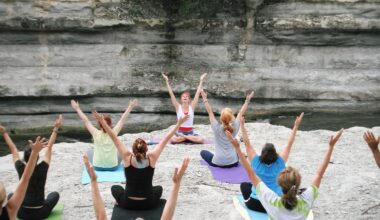
To begin with, Pilates emphasizes controlled movements, which help seniors learn how to stabilize their core effectively. Traditional Pilates exercises focus on engaging the transverse abdominal muscles, which are key to maintaining a strong, stable core. Incorporating Pilates into a daily routine equips seniors not only with strength but also improves their posture. For many, participating in group Pilates classes can foster a supportive environment, encouraging motivation and social interaction. Positive reinforcement from peers is beneficial, especially for older adults, enhancing their exercise experience. It can create a sense of community and keep them accountable for their fitness commitments. It is important to ensure exercises are appropriate for individual abilities.
The Importance of Correct Breathing
In Pilates, understanding the importance of correct breathing is foundational. Breath control helps discover the inner core and results in better engagement of the abdominal muscles. When seniors learn to coordinate their breath with movement, they can maximize the benefits of each exercise. Breathing deeply energizes the body and encourages a focus on the present, enhancing mental clarity. Moreover, proper oxygen intake while exercising can increase endurance, allowing seniors to perform movements without excessive fatigue. Breath control also promotes relaxation, reducing stress levels in the participants. This makes Pilates not just a physical activity, but a holistic approach towards improving well-being.
Seniors beginning their Pilates journey should embrace a variety of exercises that focus on different aspects of core strength and posture. Suitable exercises include the Pelvic Curl, which helps articulate the spine while strengthening the glutes. Another excellent choice is the Wall Roll Down, which improves flexibility and promotes awareness of posture. The Spine Twist further enhances spine mobility, essential for maintaining agility and balance. Lastly, the Plank is an effective isometric exercise that challenges core stability, promoting overall strength. It is crucial to start with beginner variations and gradually increase difficulty as strength improves, ensuring safety and proper technique.
Adapting Exercises for Individual Needs
Adapting exercises to meet individual capabilities is significant for seniors. Recognizing personal limits ensures that each individual can engage in Pilates without risking injury. Some seniors may have pre-existing conditions or mobility limitations which necessitate customized approaches. A qualified instructor can modify the intensity of exercises to accommodate such needs, which enhances safety and accessibility. Using props such as resistance bands or Pilates balls can offer additional support, making movements easier for those with limited strength or flexibility. It is essential for seniors to listen to their bodies and communicate any discomfort to their instructor for optimal outcomes. Modifications promote enjoyment in every session.
Another key factor in addressing core engagement through Pilates for seniors is consistency. Regular practice is essential for building strength and understanding movement mechanics. Integrating Pilates sessions at least two to three times a week can significantly yield positive results over time. Seniors should aim for gradual progress; quick advancements are often unsustainable and could lead to injury. Encouraging attendance in classes or partnering with a friend can make this routine more enjoyable, fostering commitment and accountability. The social aspect of group classes can provoke excitement and companionship among participants, enhancing emotional well-being. Thus, regular practice cultivates a unique blend of physical and mental health benefits.
Conclusion: Embracing Pilates
In conclusion, Pilates serves as an essential tool for seniors to maintain their posture and balance effectively. Through focused core engagement, seniors can boost their stability while enhancing their overall mobility. The gentle, mindful approach of Pilates encourages seniors to listen to their bodies, understanding their limitations while celebrating their progress. By fostering a supportive environment and employing modified exercises, seniors can engage consistently and safely. As their strength and confidence grow, so will their independence, leading to a higher quality of life. Therefore, embracing Pilates is a smart investment for seniors aiming to improve their functionality and longevity.
In summary, incorporating Pilates into a senior’s routine not only provides an avenue for physical exercise but enhances mental clarity and emotional well-being. With the right instruction and modifications, Pilates can be enjoyed by people of all ages. The focus on core strength directly translates to improvements in daily tasks, allowing seniors to move through life more freely and confidently. Each session strengthens the connection between the mind and body, often translating into a greater sense of purpose. Ultimately, Pilates represents a path toward enhanced health and vitality, reinforcing the idea that age should never be a barrier to maintaining a strong, healthy, and balanced life.