
How Aging Affects Muscle Mass and Fat Distribution
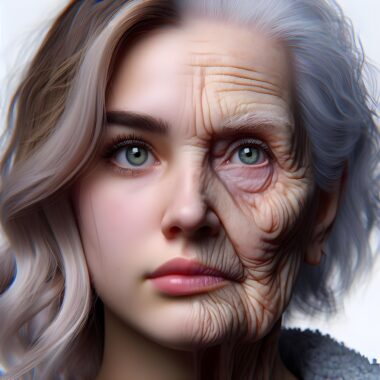
As we age, our bodies undergo various changes impacting muscle mass and fat distribution. These shifts in body composition can significantly influence overall health and well-being. One of the most notable changes is the gradual loss of lean muscle mass, known as sarcopenia. This condition typically begins in the 30s and accelerates with age, leading to a decrease in functional strength and mobility. Additionally, hormonal changes associated with aging, particularly in older adults, can further exacerbate muscle loss while promoting fat gain. Studies indicate that aging affects men and women differently, with men often seeing a more pronounced decline in muscle mass. Furthermore, metabolic rates tend to slow down as one ages, making it more challenging to maintain a healthy weight. Such challenges underscore the importance of regular exercise and a balanced diet rich in protein. Understanding these age-related changes is crucial for developing effective strategies to mitigate their negative impacts on health, such as resistance training and reduced caloric intake, which both support muscle maintenance and overall fitness.
The Role of Hormones
Hormonal changes are a significant factor influencing body composition as we age. Particularly, hormones like testosterone and estrogen play vital roles in regulating muscle and fat distribution. As individuals age, the levels of these hormones typically decline, leading to changes in body composition. For men, lower testosterone levels can result in reduced muscle mass and increased fat, particularly around the abdomen. In women, the drop in estrogen, especially during menopause, can lead to increased fat accumulation in the hips and thighs. Research shows that these hormonal changes can directly influence one’s ability to build or maintain muscle, making it harder to sustain fitness levels. Additionally, the increase in cortisol, the stress hormone, can promote abdominal fat storage. Understanding these hormonal influences can help guide effective interventions. For example, regular exercise can stimulate hormone production that supports muscle preservation. Diet also plays a critical role, as proper nutrition can help manage weight and hormone levels. In addition, hormone replacement therapies might be considered for some aging individuals, offering potential benefits in mitigating adverse changes to body composition.
Another critical change in body composition due to aging is the shift in fat distribution. Older adults often experience an increase in visceral fat, which is fat stored within the abdominal cavity surrounding vital organs. This type of fat is associated with increased health risks, including cardiovascular diseases, diabetes, and metabolic syndrome. Unlike subcutaneous fat, which is stored just beneath the skin, visceral fat poses a higher health risk largely due to its location. Aging can accelerate this visceral fat accumulation, especially in post-menopausal women and older men. The causes of these changes can be attributed to various factors, including hormonal shifts, lifestyle changes, and decreased physical activity over time. Moreover, researches emphasize the importance of maintaining healthy body composition with age by prioritizing both strength training and cardiovascular exercises. These exercises not only help reduce visceral fat but also enhance overall well-being. Incorporating a diet rich in fruits, vegetables, healthy fats, and lean proteins can support weight management and help combat unhealthy fat accumulation. Understanding these concepts is essential for promoting healthy aging.
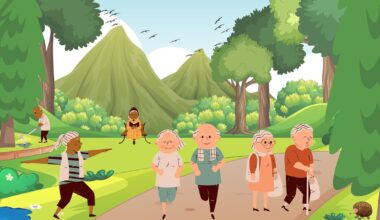
Physical activity levels are crucial in preventing age-related changes in muscle mass and fat distribution. Regular exercise, particularly strength training, can significantly counteract the loss of muscle associated with aging. Engaging in resistance training exercises two to three times per week is recommended for older adults. Such activities promote muscle hypertrophy and increase strength. Furthermore, engaging in aerobic activities, such as walking, cycling, or swimming, helps improve cardiovascular health and can aid in fat loss. A combination of both forms of exercise is most beneficial for older adults, as it addresses both muscle and fat issues effectively. It is equally important to emphasize gradual progression in exercise to avoid injury. Consulting with a healthcare provider or fitness professional can help establish a personalized exercise program that fits individual capabilities and needs. Additionally, consistency is key to reaping the long-term benefits of physical activity, which can substantially improve both quality of life and longevity. Moreover, incorporating flexibility and balance exercises can also enhance stability, reducing the risk of falls and injuries as one ages.
The importance of nutrition cannot be overstated when considering aging’s impact on body composition. A well-balanced diet is essential for maintaining muscle mass and a healthy weight. Specifically, older adults should focus on protein intake to support muscle health. Research indicates that higher protein consumption can help stimulate muscle protein synthesis. It’s recommended that older individuals consume adequate protein with each meal to combat the natural decline in muscle mass. Aiming for a variety of protein sources – lean meats, fish, dairy, beans, and legumes – contributes to a balanced diet. Additionally, incorporating healthy fats from sources such as avocados, nuts, and olive oil can aid in nutrient absorption. Moreover, ensuring adequate intake of vitamins and minerals, particularly vitamin D and calcium, is essential for bone health and muscle function. Hydration is also crucial as it impacts overall health and even cognitive function. Staying well-hydrated can support optimal physical performance. Overall, focusing on proper nutrition can play a pivotal role in managing changes in body composition, helping to promote health and vitality as one ages.
The psychological aspects of aging should also be considered, as they significantly influence body composition management. Older adults may face challenges such as depression or anxiety that can affect motivation to exercise and maintain a balanced diet. These mental health issues often arise from societal pressures, body image concerns, or changes in physical capabilities, leading to a sedentary lifestyle. This sedentary behavior can further exacerbate the cycle of muscle loss and unhealthy fat gain. Therefore, it’s essential to address these psychological barriers through supportive interventions. Programs that focus on mental well-being, social support, and community engagement can improve adherence to exercise and nutrition guidelines. Finding enjoyable activities, engaging in social exercises like group classes, or promoting healthy cooking can combat the psychological influences impacting body composition. It also helps if older individuals can set realistic and attainable goals. Celebrating small victories in physical activity or nutrition can enhance motivation and foster a more positive attitude toward aging and body composition management. Ultimately, a holistic approach considering both physical and psychological aspects is most effective.
In conclusion, understanding how aging affects body composition is vital for implementing strategies to maintain health and wellness as one grows older. Age-related changes in muscle mass and fat distribution are inevitable, but their effects can be mitigated with informed lifestyle choices. Regular exercise, particularly strength training, combined with healthy nutrition forms the cornerstone of effective management. Additionally, hormonal considerations and psychological factors play critical roles in this dynamic. Ensuring a well-rounded approach that addresses these aspects highlights the need for a comprehensive view of health. Furthermore, engaging in open conversations about aging and body changes can empower older individuals to take charge of their health. Health professionals can aid in disseminating accurate information, creating tailored exercise plans, and addressing dietary needs specific to age-related challenges. By fostering supportive community environments and promoting education on healthy aging, individuals can pursue a life of quality despite the inevitable changes that come with time. Remember, it’s never too late to start working toward a healthier body composition, improving not only physical health but also overall quality of life.