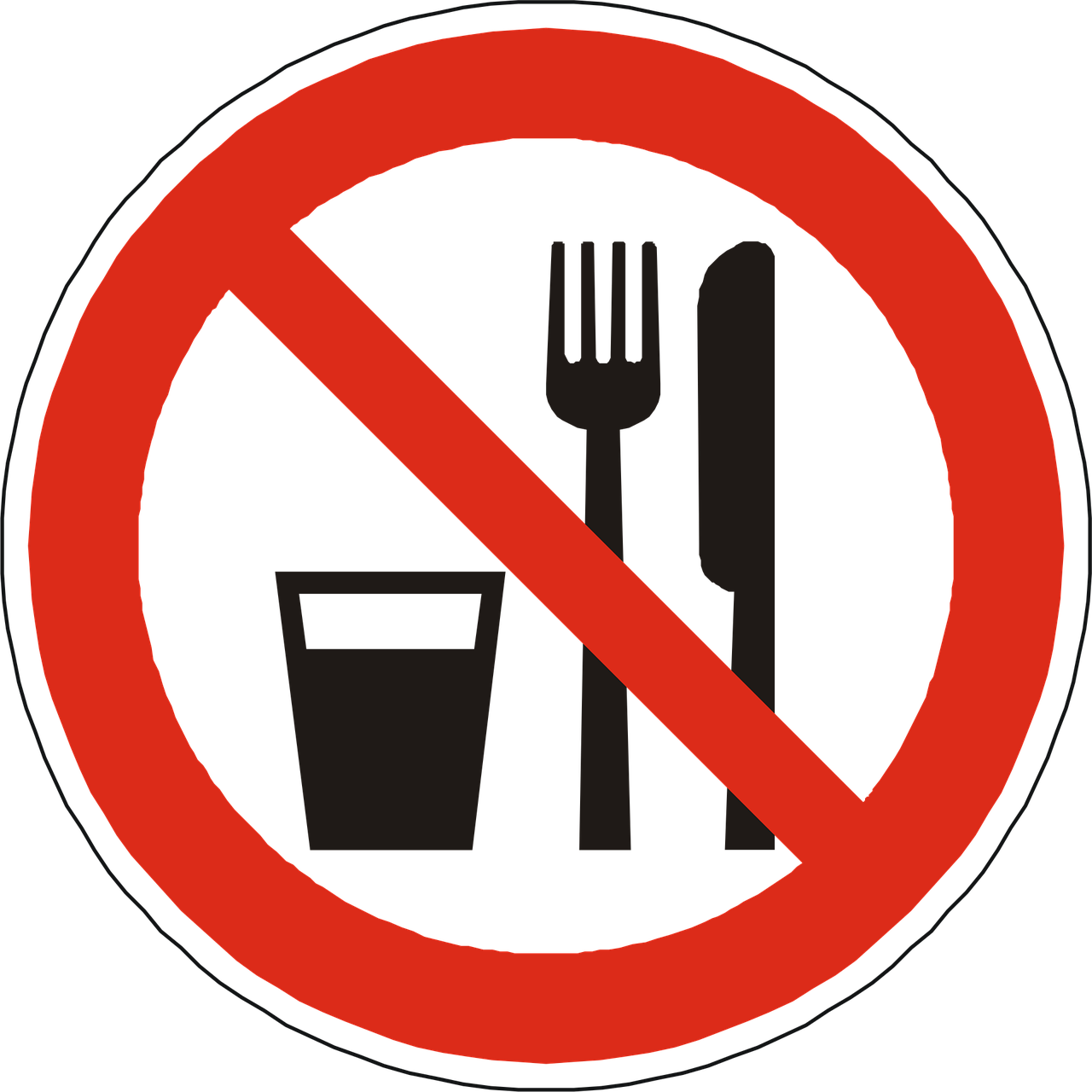

Understanding Gym Policies on Eating and Drinking
When attending a gym, understanding the policies on eating and drinking is essential. Many facilities have established guidelines to enhance hygiene and ensure a focused workout environment. These rules often vary by location, but several common principles exist worldwide. First, you should refrain from consuming foods that have strong odors, as they can distract fellow gym-goers. Examples include tuna salad, garlic bread, or anything containing strong spices. Additionally, consider how food remnants can affect gym equipment. Wanted or unwanted, particles may create a mess which others may have to clean or experience during their workouts. Another essential consideration is the type of beverages allowed in the gym. Most places permit water, and many even have refill stations. However, energy drinks or sugary beverages are often prohibited for hygiene reasons. These drinks not only create messes but can potentially attract pests which undermine the cleanliness of the gym. Proper etiquette also includes cleaning up after yourself, especially if you consume snacks during your breaks. By adhering to these guidelines, you help create a positive environment for everyone.
Moreover, another vital aspect of gym etiquette is ensuring your snacks do not interfere with others. This can involve paying attention to the timing of your eating habits. Eating a large meal right before a workout may lead to discomfort during exercise. Instead, opt for a small snack that provides energy without causing bloating or sluggishness. Nut bars, bananas, or protein shakes are excellent options. These are easily digestible while still providing vital nutrients that aid in performance. Remember that consuming protein shakes can be messy, particularly if they spill. Therefore, use a secure, leak-proof container. When you decide to hydrate, choose your timing wisely as well. Taking frequent sips throughout your workout is encouraged; however, chugging large amounts of water during intense exercises may disrupt your fluency and rhythm. Listen to your body, as it will guide your drinking intervals. Ultimately, awareness and respect for others’ workout spaces are key. By demonstrating consideration for your fellow gym-goers, you contribute to a welcoming and professional atmosphere that benefits everyone involved, especially in an environment where focus is paramount.
Choosing Appropriate Snacks
Choosing suitable snacks for the gym can significantly influence your performance and overall gym experience. First, emphasize nutrition when selecting what to snack on. Foods that are high in protein, low in sugar, and provide ample energy are ideal. Raw nuts, for instance, offer a great balance of protein and healthy fats. They can deliver the necessary calories without causing too much bulk during exercise. Furthermore, consider convenience when packing your snacks; bite-sized portions that require minimal preparation are best. Simple options like Greek yogurt cups or pre-sliced fruits will help you eat efficiently without causing disruptions. Additionally, timing plays a vital role when deciding when to eat. Aim to consume pre-workout snacks half an hour before starting your session to replenish your energy reserves. This way, your body has enough time to digest the food and translate it into fuel. Post-workout nutrition is equally important. Engaging in a nutrient-rich shake or vital proteins within a short time after your workout replenishes essential nutrients faster, aiding muscle recovery and growth effectively.
In addition to food selections, it is crucial to consider the impact of food allergies on your gym environment. Many people may have food sensitivities or allergies that can cause serious reactions. Therefore, it is wise to be a mindful gym member and avoid bringing any allergenic foods to the facility. Common allergens, like peanuts or shellfish, could pose risks to those who may accidentally encounter them. It demonstrates respect for others’ health when you are conscious about not consuming or leaving behind potentially dangerous food items. Always check with gym personnel if uncertain about the gym’s food policy or if specific snacks are prohibited. If you must eat with allergens, ensure you are adequately cleaning up after yourself, as additional crumbs can trigger unwanted reactions for someone else. Overall, awareness towards the potential hazards that certain foods can possess when brought into shared spaces is key. Promoting a non-threatening environment ensures that individuals can focus entirely on their fitness goals without worrying about food-related complications inhibiting their progress.
Hydration Tips for the Gym
Staying hydrated during workouts is just as important as proper nutrition. However, awareness of your hydration methods is vital to maintain a hygienic gym space. Water is the best choice for hydration—choose to bring your own bottle. Most gyms now provide refill stations to make it convenient for you. Pay attention to your water intake before, during, and after your workouts to ensure adequate hydration levels. Carrying a reusable water bottle can help remind you to drink regularly. It is also beneficial to have light fluids available post-workout to replenish essential electrolytes that may have been lost through sweat. Refill your bottle immediately after use to avoid cluttering shared spaces with empty containers. Monitor your surroundings and ensure you don’t leave personal items around the gym. Proper etiquette involves being vigilant about your things, as it demonstrates respect for your fellow members. Cleaning up after drinking or eating is crucial. Leaving containers or wrappers behind could give off a negative impression about your considerations towards cleanliness in a shared environment where everyone has the right to enjoy an optimal experience.
Another significant factor to consider is the selection of beverages. Many gyms do not allow soda, energy drinks, or protein shakes in open containers during workouts. These drinks can cause sticky spills or odors that could embarrass you or disrupt the environment for others. If you have a pre-workout concoction or any other beverage, always opt for a spill-proof container. Research your gym’s specific rules surrounding drinks; being informed prevents unintentional breaches of etiquette. In addition, consider consuming protein shakes or smoothies outside of workout hours, as these can be time-consuming to clean up if they create more mess than refreshment. Your focus should remain on your workouts, not on distractions caused by your snacks and drinks. Practice mindfulness around your consumption habits and its timing, such as only hydrating between exercises rather than during. It will ensure smooth transitions into activities with minimal interruption and help maintain an energizing atmosphere for yourself and others.
Summary of Good Practices
In conclusion, understanding and adhering to eating and drinking rules in the gym is integral for a positive experience. Proper etiquette fosters respect and creates a motivating environment for everyone involved. Focus on consuming light snacks that offer nutritional benefits without creating odors detrimental to the collective experience. Hydration should always be prioritized, with water being the first choice while keeping the cleanliness of the environment in mind. Additionally, demonstrate due consideration for others by avoiding allergenic foods or items known to create distractions during workouts. Maintaining an awareness of what you consume, how you manage your containers, and ensuring proper cleanup will promote an inviting atmosphere that participants can enjoy. Establishing a clean space enables everyone to thrive and focus on their personal fitness goals. By being mindful of the guidelines surrounding eating and drinking in gym settings, members can foster a collaborative location where every patron feels welcomed and respected throughout their journey. Remember, creating a supportive community benefits all and encourages persistent growth within fitness and overall well-being.
A gym is not just about exercising; it is also about fostering a supportive atmosphere where everyone feels comfortable and focused on their goals. For this environment to thrive, understanding the rules surrounding eating and drinking is paramount. When individuals remain mindful of their food and beverage choices, they enhance the experience not only for themselves but for others as well. Practicing proper gym etiquette ensures that distractions are minimized, allowing everyone to pursue their fitness goals effectively. Therefore, take time to familiarize yourself with the specific policies of your gym regarding eating and drinking; this will contribute to a harmonized environment conducive to teamwork and personal achievement. Remain open to feedback from staff members as well as fellow gym-goers, as their perspectives could provide additional insight into enhancing the community space. Following these recommendations can lead to a more enjoyable experience for all. A shared commitment to cleanliness, respect, and awareness of communal efforts helps shape a thriving gym atmosphere, transforming it into a haven for health enthusiasts. Committing to these guidelines will ultimately foster a sense of camaraderie among members that supports personal and collective improvement.