
Using Cognitive Behavioral Therapy in Injury Recovery
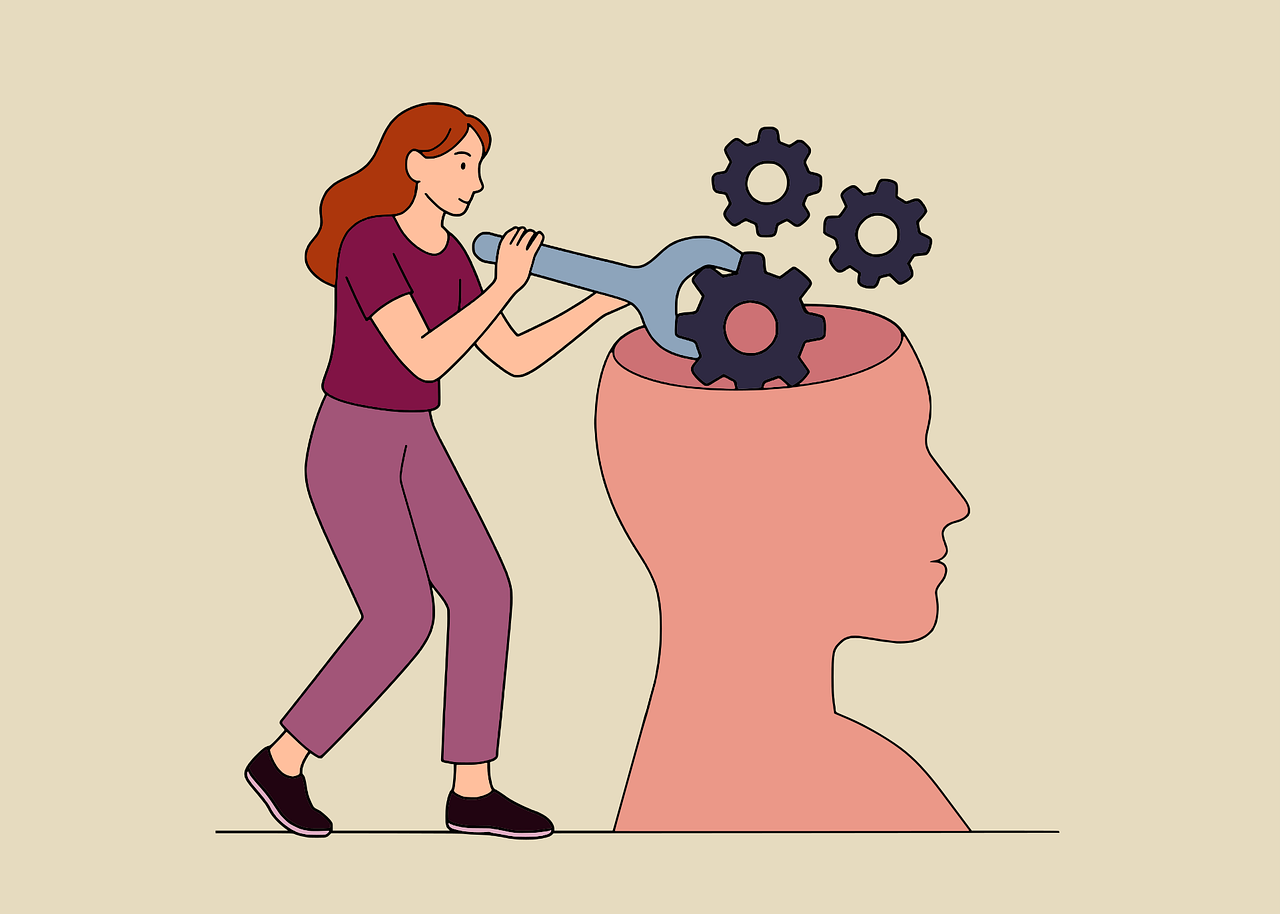
Cognitive Behavioral Therapy (CBT) is an effective intervention for athletes facing the psychological effects of injury. Injuries can lead to feelings of anxiety and depression, which negatively affect recovery. CBT aims to change negative thought patterns, replacing them with more constructive, positive beliefs. This therapy does not just address the injury itself; it focuses on the person as a whole and their cognitive processes. Athletes can learn coping mechanisms that will increase their resilience during recovery. CBT helps in setting realistic goals and managing emotions through structured sessions with trained professionals. These sessions may include exercises to challenge unhelpful thoughts and encourage positive self-talk. Additionally, CBT equips individuals with stress reduction techniques that can enhance overall well-being. By incorporating CBT into a recovery plan, athletes may experience better outcomes, both mentally and physically. Ultimately, this leads to a faster and more effective return to their desired sport or activity. Athletes benefit not only from the physical aspects of recovery but also from improved mental health, enabling them to thrive post-injury.
During the injury recovery process, athletes might struggle with motivation as physical limitations can dampen spirits. CBT addresses these concerns by helping individuals reframe their perspectives. Through therapy, athletes learn the skill of maintaining motivation, even during challenging times. One effective strategy involves implementing milestones within their rehabilitation plans. By breaking down the recovery process into smaller, achievable goals, athletes can foster a sense of accomplishment. This success reinforces positive thinking patterns, motivating them to continue fighting through adversity. Moreover, CBT encourages the development of problem-solving skills, allowing athletes to navigate the mental hurdles that injuries pose. Learning to identify obstacles and find solutions can empower individuals significantly. Alongside cognitive restructuring, techniques such as visualization may be utilized. This process helps athletes imagine successful outcomes and develop confidence in their physical abilities. Research shows that athletes who engage in CBT during recovery experience increased self-efficacy and reduced fear of reinjury. Thus, they perceive recovery as a manageable journey, rather than an insurmountable challenge. Overall, CBT enhances the athlete’s mental framework, promoting resilience and a greater likelihood of successful recovery.
The Role of Support Systems in Recovery
Support systems such as family, friends, and teammates are critical during recovery from injuries. These social connections can significantly influence an athlete’s mental health. In this context, CBT helps athletes recognize and engage with their support systems effectively. Often, individuals may feel isolated due to injuries; however, cognitive behavioral strategies encourage them to reach out for help. This can be as simple as expressing frustrations or seeking encouragement from loved ones. CBT also guides athletes in setting boundaries, ensuring they are surrounded by positive influences. Additionally, enhancing communication skills becomes vital in these social contexts. Expressing needs and feelings can help athletes articulate their challenges, thus reducing feelings of anxiety. Scheduling regular check-ins with supporters can also ensure accountability and motivational boosts. Such practices promote stable relationships that contribute positively to recovery. When athletes feel supported, their confidence levels soar, enabling them to tackle emotional barriers more effectively. Moreover, engaging with others experiencing similar challenges can foster a sense of belonging and understanding that alleviates anxiety and depression associated with injuries.
Building Coping Strategies
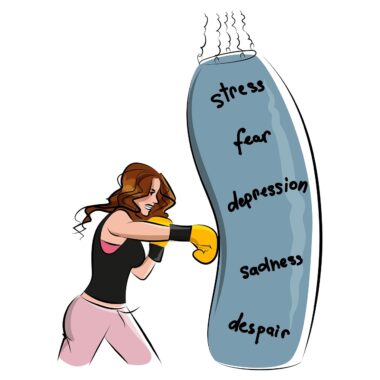
The importance of developing coping strategies during injury recovery cannot be overstated. CBT assists athletes in identifying emotional reactions to injuries and designing specific plans to manage these feelings. Recognizing feelings of anger, frustration, or sadness is the first step toward healing. Athletes can employ various coping mechanisms targeted at the emotional aspect of their recovery journey. For instance, mindfulness practices, such as meditation or deep breathing exercises, can help ground athletes during difficult moments. Furthermore, journaling can serve as an outlet for expressing emotions and reflecting on progress. CBT also emphasizes the importance of self-care, which can include rest, nutritious eating, and enjoyable leisure activities. Understanding the balance between activity and rest is crucial to avoid burnout. By integrating coping strategies into their daily routines, athletes find themselves better equipped to handle setbacks, fluctuations in motivation, and emotional disturbances. Consistently practicing these strategies fosters a sense of control over the recovery process that many athletes feel they lack. Ultimately, developing effective coping mechanisms leads to enhanced emotional resilience and an improved overall recovery experience.
Furthermore, the integration of physical rehabilitation with CBT yields positive outcomes. The physical aspect of recovery, such as attending physical therapy sessions, must align with mental health practices for a holistic approach. CBT can reinforce the importance of commitment to physical rehabilitation, ensuring that athletes remain engaged in necessary exercises. Cognitive restructuring, a key element of CBT, helps athletes visualize the importance of adhering to their rehabilitation schedules. This creates a mindset that promotes consistency, increasing the likelihood of notable recovery progress. Additionally, therapists may encourage athletes to develop personalized routines, incorporating physical therapy and mental health practices. Strategies such as positive reinforcement can keep athletes motivated through their healing journey. Engaging in regular checkups with sports professionals ensures that both physical and mental health are evaluated. This multidisciplinary approach facilitates more comprehensive recovery plans for athletes, addressing all facets of their well-being. Athletes will not only regain physical strength but also develop a strong mental disposition. By merging physical rehab and CBT, a more effective recovery process emerges, significantly enhancing the athlete’s performance after returning to their sport.
The Importance of Goal Setting
Setting clear and achievable goals is crucial for athletes during the recovery phase. When incorporating CBT into their rehabilitation, athletes are encouraged to create short-term and long-term objectives. These goals should be Specific, Measurable, Achievable, Relevant, and Time-bound (SMART). Establishing SMART goals allows athletes to track their progress effectively. CBT guides individuals in maintaining focus on these objectives, employing techniques that remind them of their purpose during periods of frustration. An essential component of this process is adjusting goals as needed; flexibility becomes vital in the healing journey. If setbacks arise, athletes learn to adapt and modify their goals without losing motivation. This ability to reassess their objectives instills a sense of empowerment and ownership. During average recovery times, celebrating small victories keeps spirits high, strengthening motivation. Acknowledging these achievements fosters a deeper understanding of the significance of effort. Ultimately, goal setting, reinforced through CBT, provides athletes with a structured yet adaptable framework. This clarity enhances the recovery experience, rendering the process less daunting and allowing for long-term success in returning to sport.
Finally, maintaining a positive outlook throughout the recovery journey is essential for overall well-being. CBT equips athletes with the tools to cultivate this perspective effectively. One method involves gratefulness practices, where individuals reflect on daily aspects they appreciate. Such positive reflections can shift focus away from the injury and its associated challenges. Moreover, engaging in affirmations can help in reinforcing a healthy, optimistic mindset. By repeating encouraging phrases, athletes can combat negative beliefs that hinder their recovery. Cultivating gratitude, reinforcing positivity, and using CBT techniques actively creates an atmosphere where transformation occurs. Consequently, this empowers athletes to drive their recoveries. Alongside mental strategies, seeking inspiration from stories of other successful recoveries serves as motivation. The understanding that fellow athletes have triumphed over their challenges serves to inspire hope. Delivering such perspective shifts can lead to substantial emotional changes, allowing athletes to embrace the journey rather than resist it. In conclusion, cognitive behavioral therapy can be a game-changer in injury rehabilitation. An athlete’s resilience, commitment, and mental fortitude grow through its application, ultimately contributing to a successful return to their sport of choice.