
Understanding the Link Between Water Intake and Memory Retention
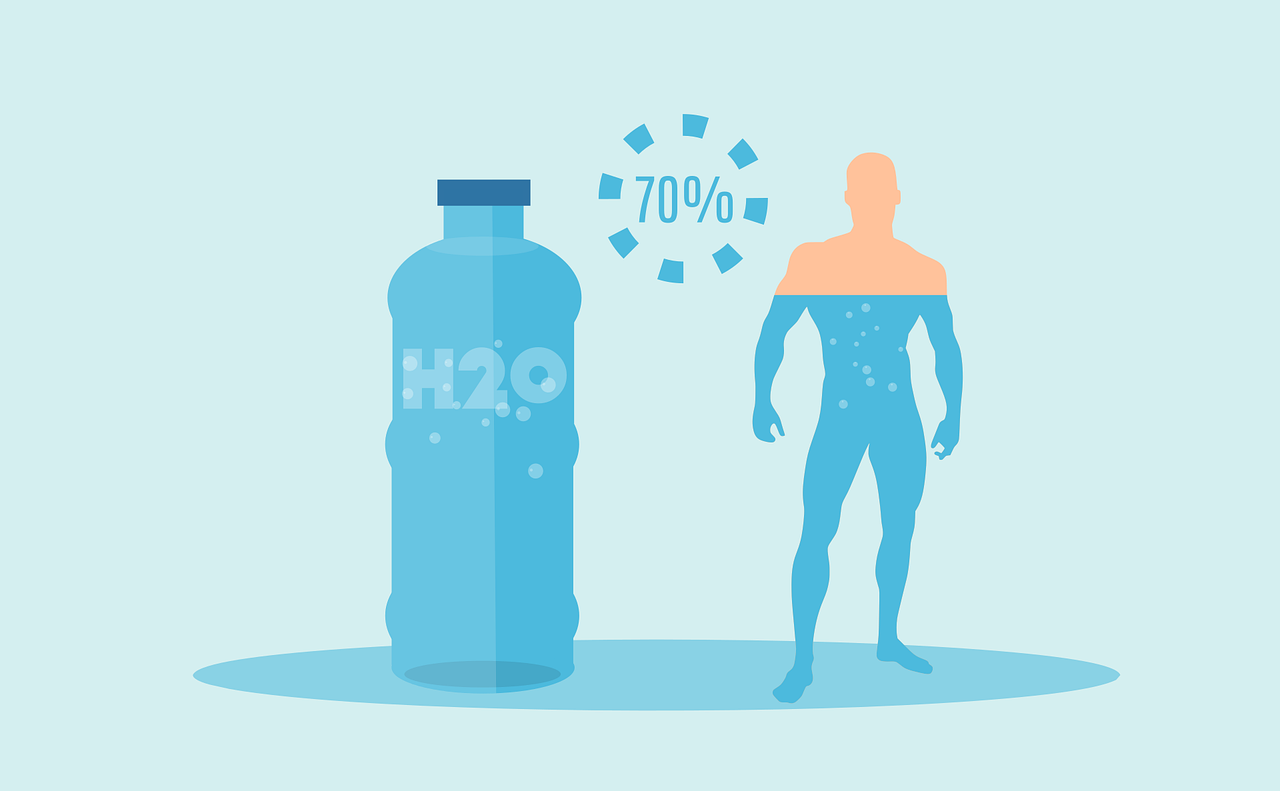
Water is an essential nutrient that significantly influences overall health, especially brain function. Studies reveal that hydration directly impacts cognitive processes, including memory retention. Dehydration even leads to noticeable impairments in attention, critical thinking, and remembering information. Individuals often underestimate the importance of adequate water intake on mental performance. Young adults, who typically maintain their hydration levels, face a decline in memory when deprived of sufficient fluids. It’s essential to recognize that cognition heavily relies on hydration levels. The human brain comprises about 75% water, underscoring the importance of drinking enough fluids. Even a mere 2% loss of body water can influence cognitive functions negatively. Therefore, promoting proper hydration is crucial for optimal memory performance. Consistently hydrating can bolster motivation and attention, which are paramount during learning tasks. Options like water-rich fruits and vegetables can supplement daily water intake. Including these into one’s diet can ensure effective memory retention for studying and retaining information. Additionally, ensuring hydration before mentally taxing tasks can prepare the mind for efficient functioning, crucial for students and professionals alike. Thus, understanding water intake can bridge the gap between hydration and cognitive success.
Research highlights a strong correlation between hydration and cognitive efficiency. When the brain is appropriately hydrated, neural pathways can communicate more effectively. This efficient neuronal communication is vital for memory processes, making each input and retrieval of memory smooth. Conversely, dehydration inhibits these neural pathways, leading to reduced responsiveness and slower memory recall. Studies have shown that dehydration increases fatigue and confusion, making it harder to focus on tasks requiring memory retention. The long-term effects of chronic dehydration can be detrimental to overall brain health, leading to a decline in cognitive functions as individuals age. Therefore, guaranteeing adequate water intake is essential for maintaining cognitive function and preventing memory-related issues. Incorporating reminders throughout the day can help individuals meet their daily hydration needs. Emphasizing the importance of drinking water during breaks or study sessions can enhance overall productivity and retention of information. Furthermore, the type of fluids consumed also matters. Sugary beverages may provide temporary energy but can lead to subsequent crashes that ultimately hinder memory performance. Prioritizing water and healthy beverages enhances not only hydration but also cognitive efficiency and memory retention.
The Role of Electrolytes in Hydration
In addition to plain water, electrolytes play a significant role in maintaining hydration status and cognitive functions. Electrolytes like sodium, potassium, and magnesium help regulate fluid balance in and out of cells. An optimal balance of these electrolytes is crucial for brain health since they assist in transmitting electrical signals between neurons. When the body loses electrolytes through sweat or inadequate intake, cognitive functions, including memory, may decline as a result. Therefore, incorporating sports drinks or foods rich in electrolytes during intense physical activity or hot weather can ensure both hydration and mental clarity. Including foods such as bananas, spinach, and nuts in the diet can replenish lost electrolytes effectively. However, it’s essential to moderate the intake of sports drinks to avoid excessive sugar consumption. Additionally, hydration should begin before engaging in mentally taxing tasks. This preparation ensures that the brain operates at maximum efficiency. Recognizing the nutritional aspects of hydration fosters awareness of its connection to memory and overall cognitive health. A balanced intake of fluids and electrolytes leads to improved performance in recalling memories during necessary situations, enhancing personal and academic pursuits.
The method of hydration also matters, influencing cognitive retention. Research indicates that sipping water throughout the day is more effective than consuming large amounts in one go. This gradual approach helps to maintain stable hydration levels, allowing the brain to function optimally. Keeping a water bottle on hand encourages frequent sipping, which aids in memory retention during study sessions or preparation for exams. Maintaining hydration through small, consistent amounts offers several benefits for cognitive performance and emotional regulation. Furthermore, scientists have discovered that even mild dehydration triggers stress responses, resulting in a less focused mind. This emphasizes the significance of making hydration a priority in daily routines. Individuals should personalize their hydration strategies according to their activity levels and environmental conditions. Moreover, keeping track of daily water consumption can create accountability for meeting hydration goals. Innovative apps or simple journals can assist in maintaining awareness of fluid intake. Ultimately, adopting holistic hydration practices fosters significant improvements in memory retention. The synergistic effects of consistent hydration habits on cognitive functions help individuals excel academically and professionally.
Creating Hydration Habits for Better Memory
Establishing hydration habits is key to maximizing memory performance. Making a conscious effort to drink water throughout the day is essential, rather than waiting until thirst occurs. Recognizing the signs of dehydration can spur individuals to take action proactively. Creating a schedule that includes regular water breaks can also enhance overall hydration levels. Additionally, infusing water with fruits or herbs can make hydration more appealing. For example, adding lemon, mint, or berries can promote enjoyment while providing essential nutrients. Engaging in physical activity without proper hydration often leads to noticeable cognitive decline, so incorporating fluid replenishment into workout routines is vital. Pre-workout hydration sets the stage for optimal brain function during physical exercises. Remembering to hydrate before significant mental tasks can reduce the risk of cognitive decline. Moreover, pairing hydration with meals can enhance daily intake effortlessly. Finally, understanding one’s hydration requirements can lead to healthier lifestyle decisions. Establishing clear and attainable goals helps to track hydration levels consistently. Consequently, by implementing simple hydration techniques, individuals can support their memory retention, improving overall intellectual performance.
Ultimately, the connection between hydration and memory retention is profound. Everyone should be mindful of the balance between hydration and cognitive efficiency, particularly those engaged in rigorous academic pursuits. Higher education students, in particular, often face stressful environments, making hydration essential for peak cognitive performance. Establishing a daily routine that prioritizes water intake can help facilitate better concentration in study environments. Also, collaboration with fellow students to promote healthy hydration habits can create a supportive atmosphere in educational settings. Developments in technology provide opportunities to craft personalized hydration plans, utilizing apps that track water consumption and provide reminders. Encouraging peers to share their hydration journeys fosters community support and health awareness amongst students. Education on the importance of hydration through workshops or university health resources can further reinforce knowledge. Additionally, mental health aspects are positively influenced by hydration. Fostering memory retention through enhanced hydration levels will yield improved overall wellbeing, allowing for a more balanced life. Thus, instilling positive hydration habits among students and professionals is vital for their cognitive success, ultimately enriching their academic and career outcomes.
Conclusion: The Importance of Hydration
In conclusion, the significant relationship between hydration and memory retention cannot be overstated. The brain’s reliance on water emphasizes the need for individuals to prioritize their fluid intake. Establishing effective hydration practices leads to enhanced cognitive function and resilience against memory decline. This understanding aligns with daily habits, allowing individuals to cultivate favorable routines around water consumption. Strategies such as setting reminders and infusing water with flavor can make hydration more engaging. Moreover, educational institutions should provide resources to guide individuals towards better hydration habits. Ultimately, improved hydration translates into considerable strides in memory retention and overall mental performance. Leveraging this knowledge equips students and professionals to navigate their challenges more effectively, leading to fruitful academic and professional careers. Investing in personal hydration will reflect positively in mental clarity, focus, and attention to detail. With hydration as a focal point, people will be set on a path toward enhanced cognitive health, making the connection between water consumption and memory retention essential. Adopting these practices will foster a healthier lifestyle and improved quality of life for everyone striving for success.