
Understanding Metabolism Changes in Senior Athletes
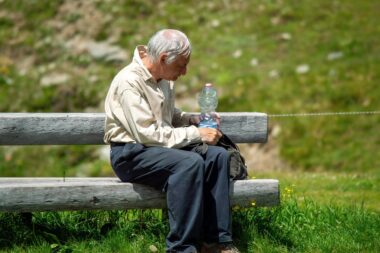
As people age, their metabolism naturally slows down. This change is particularly significant for senior athletes who may notice a reduction in energy levels and overall performance. Factors contributing to this change include hormonal fluctuations, muscle mass loss, and a decrease in overall physical activity. Senior athletes often need to adapt their nutrition and training regimens to accommodate these metabolic changes. To maintain energy levels, it’s crucial for older athletes to focus on nutrient-dense foods that provide sustained energy without excessive calories. Protein intake becomes more critical to support muscle maintenance, along with carbohydrates for energy replenishment. Furthermore, staying hydrated is vital for optimal performance, as the sense of thirst can diminish with age. Incorporating regular, moderate exercise can also help combat these metabolic slowdowns. Strength training, in particular, can help preserve muscle mass and support metabolic health. Senior athletes should consult with a sports nutritionist or dietitian to develop a personalized plan. Tailoring dietary choices to their specific needs can significantly enhance performance and overall well-being, allowing them to enjoy their sport longer and more effectively.
Understanding how metabolism changes with age helps senior athletes make better dietary choices. This is key as metabolic shifts can influence body composition, energy, and overall health. Hormonal changes, particularly regarding testosterone and estrogen, can lead to decreased muscle synthesis and increased fat deposition. It’s essential for senior athletes to adjust their caloric intake accordingly and ensure they’re getting adequate vitamins and minerals that support muscle function and recovery. A greater emphasis should be placed on high-quality protein sources, such as lean meats, legumes, fish, and dairy, to help combat the loss of muscle tissue. Additionally, timing meals correctly can enhance recovery and performance. Consuming balanced meals and snacks throughout the day can help manage energy levels while providing the nutrients necessary for optimal performance. Antioxidants from fruits and vegetables also play a significant role, helping to combat inflammation and oxidative stress resulting from intense physical activity. Engaging in discussions with healthcare providers can provide insights into necessary adjustments in exercise and diet, helping senior athletes to age more gracefully while remaining active and fit.
Nutritional Strategies for Enhanced Performance
To optimize performance, senior athletes can implement specific nutritional strategies tailored to their metabolic changes. These strategies should emphasize the importance of a balanced diet rich in macronutrients and micronutrients. Protein becomes essential for maintaining muscle mass, while carbohydrates provide the energy needed for endurance activities. Many seniors may benefit from increasing their protein intake to around 1.0 to 1.2 grams of protein per kilogram of body weight daily. Incorporating healthy fats, such as avocados, nuts, and olive oil, is also crucial, as they support overall health and energy. Timing of meals is equally important; consuming protein and carbohydrates within a 30-minute window post-exercise is optimal for muscle recovery and glycogen replenishment. Additionally, incorporating hydration strategies can significantly impact performance, as hydration levels influence energy levels and recovery. Senior athletes should aim to drink water regularly throughout the day, especially before, during, and after workouts. It’s important to listen to body signals of hunger and thirst, as these can change with age and physical activity. Lastly, consulting a sports dietitian can help develop a custom plan that addresses individual nutritional needs and performance goals.
Incorporating specific supplements may also be beneficial for senior athletes experiencing metabolic decline. Supplements such as omega-3 fatty acids can support heart health, whereas Branched-Chain Amino Acids (BCAAs) promote muscle recovery. Vitamin D and calcium supplements are vital for maintaining bone health, as aging can lead to a decrease in bone density. Seniors should prioritize obtaining vitamins from whole food sources, but supplements can fill nutritional gaps. It’s important to consult with health professionals before starting any supplement regimen, as individual needs vary. Furthermore, diversifying sources of nutrients from whole foods such as fruits, vegetables, whole grains, and lean proteins can support overall well-being and energy levels. Senior athletes should avoid overly restrictive diets that may deprive them of essential nutrients, leading to further metabolic declines. Tracking dietary intake can be a practical way to ensure nutritional adequacy. Engaging with an online community of senior athletes can offer support and advice, enhancing motivation in maintaining healthy habits. This community interaction can encourage sharing of experiences, recipes, and workout routines, leading to a more enjoyable sporting experience throughout later life.
Adapting Training Regimens for Seniors
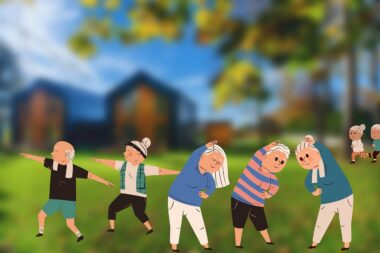
Training regimens also need adaptation for senior athletes to align with metabolic changes. A combination of resistance training, aerobic exercises, and flexibility workouts can significantly enhance performance and prevent injuries. Resistance training, which helps in muscle retention, should ideally be performed two to three times per week. This regime can involve lighter weights with higher reps to ensure safety and avoid stress on joints. Aerobic exercises, such as walking, cycling, or swimming, should be included to improve cardiovascular health and maintain stamina. Additionally, incorporating flexibility routines involving stretching and balance exercises can help in preventing falls and maintaining mobility. Gradually increasing the intensity of workouts will allow for steady progression, avoiding burnout or injury. Seniors must listen to their bodies, pay attention to recovery, and incorporate rest days into their schedules. Furthermore, considering group sessions or classes specifically designed for seniors can enhance motivation and social engagement. Consulting a fitness professional can also help to devise a well-structured workout plan that considers individual abilities, goals, and limitations, ensuring safe and effective training suited to their evolving needs.
Understanding the psychological aspects of aging is equally important for senior athletes. Metabolic changes and physical limitations can lead to frustration and lower self-esteem, significantly impacting motivation. Many seniors may feel compelled to push through limitations, leading to injuries. It’s crucial to adopt a healthy mindset, focusing on progress rather than perfection. Engaging with a supportive community can provide encouragement and accountability, fostering positive relationships among peers. Regular participation in sports and activities can build camaraderie and ensure that seniors remain active, improving both mental and physical health. Mindful practices such as yoga or meditation can also help with stress management and resilience against the challenges associated with aging. Recognizing personal achievements, regardless of size, can enhance confidence and maintain engagement in sports. Senior athletes should celebrate their successes and remind themselves of their love for their sport. Practicing gratitude and focusing on the joys of physical activity can further promote a positive attitude. Maintaining a balanced outlook while fostering community can significantly enhance the overall athletic experience for seniors, boosting their health, happiness, and performance.
Conclusion: Embracing Nutritional Changes
In conclusion, understanding metabolic changes in senior athletes is essential for maintaining performance and overall health. By adapting nutritional strategies and training regimens, seniors can successfully navigate the changes that come with aging. Emphasizing higher protein intake, hydrating adequately, and utilizing supplements also play significant roles in meeting nutritional needs and supporting active lifestyles. Additionally, incorporating both strengthening and cardiovascular exercises into regular training can help combat muscle loss and support cardiovascular health. Seeking tailored guidance from professionals in nutrition and fitness will enable retirees to create effective plans that cater to their unique lifestyles. As they embrace these changes, they should also focus on the joys of sports and the social aspects that come with physical activity. Encouragement from peers and family members can foster motivation to remain active and healthy. As senior athletes engage in their passions, they can continue to enjoy the rewards of sports at any age. Through careful adjustments and a positive mindset, seniors can achieve their fitness goals and thrive in sports, highlighting that age is merely a number.
Finally, the commitment to sports nutrition and lifestyle adjustments is paramount for senior athletes looking to enhance their performance. Continued education on nutrition, metabolism, and training will empower seniors to make informed decisions that benefit their long-term health and athletic goals. Regular assessments of dietary and fitness regimens can also be beneficial in adapting to the evolving demands of their bodies. Engaging in sports should remain a source of enjoyment, creativity, and community connection. Thus, embracing change with an open mind and willingness to learn can foster resilience in adjusting to the aging process. In essence, these efforts will lead to a higher quality of life and sustained athletic involvement, allowing seniors to enjoy the myriad benefits of an active lifestyle. As awareness around senior athlete needs grows, creating initiatives and programs specifically targeting this demographic can significantly enhance participation. With the right tools, resources, and support systems, senior athletes can continue to pursue excellence and happiness in their chosen sports well into their later years, proving that dedication towards health and fitness knows no age bounds.