
The Benefits of Functional Training for Muscle Endurance and Power
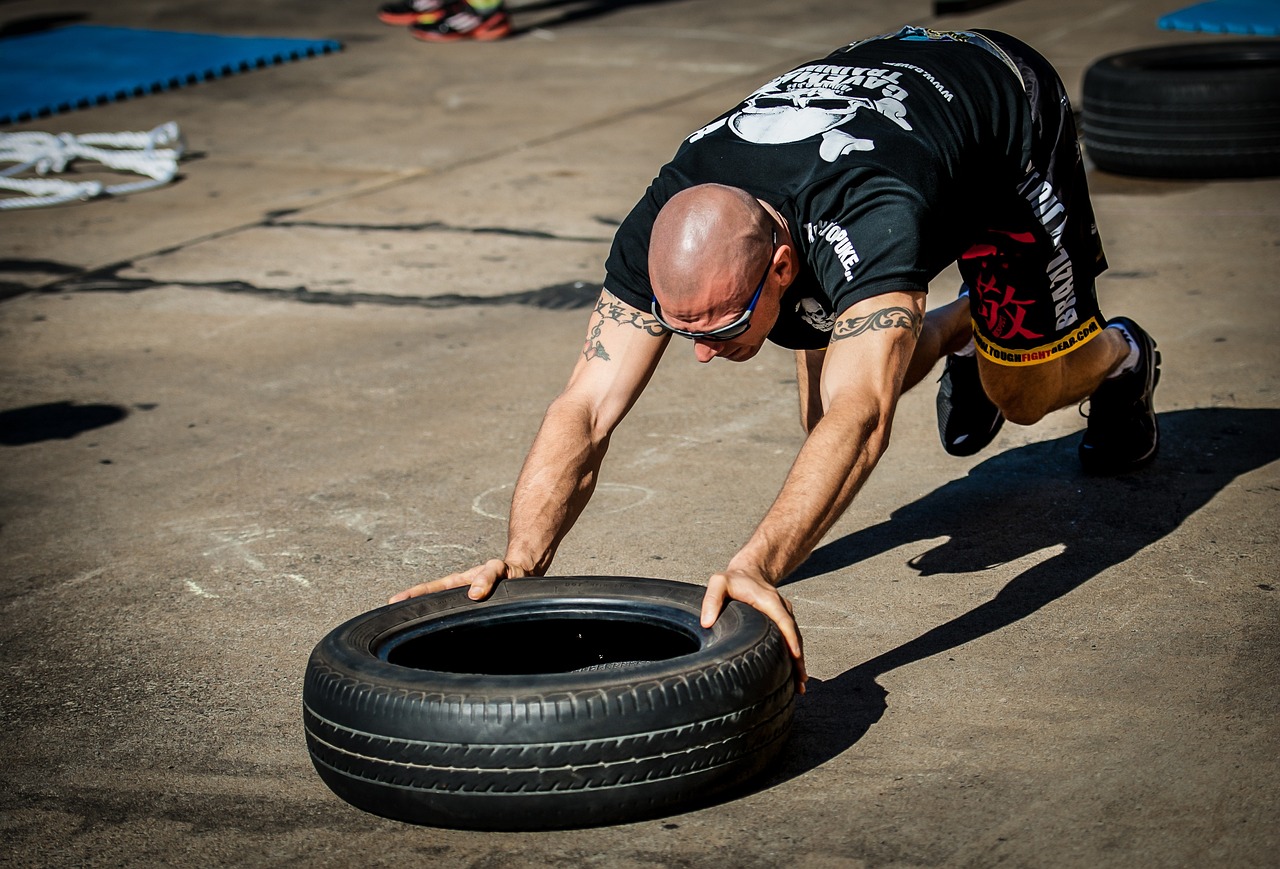
Functional training is a training strategy designed to improve strength and endurance for real-life situations. This training method incorporates various types of exercises that mimic daily activities, helping to enhance your overall performance. By focusing on core stability, flexibility, and strength, individuals can build muscle while improving their endurance. This holistic approach doesn’t just benefit athletes; it benefits everyone looking to enhance their functional capacity. Traditional strength training often isolates muscles, but functional training encourages the use of multiple muscle groups, working together seamlessly. Exercise examples include squats, lunges, kettlebell swings, and bodyweight exercises. Each of these movements translates to improved strength for daily tasks, boosting your confidence in your physical abilities. Engaging in functional training also increases your body’s metabolic rate, which can assist in weight management. Moreover, it reduces the risk of injury by teaching proper movement patterns. Importantly, functional training promotes better coordination and agility, essential qualities for both athletic performance and daily life. Thus, incorporating functional training into your workout regimen could yield remarkable benefits for muscle endurance and power, profoundly reshaping your relationship with fitness.
One significant advantage of functional training is its ability to improve muscle endurance, which is crucial for athletes and fitness enthusiasts alike. Endurance is the capacity to sustain prolonged exertion, and functional training specifically targets this area by employing exercises that engage multiple muscle groups simultaneously. This helps in building stamina for both aerobic and anaerobic activities. Examples of endurance-focused functional exercises include circuit training, high-intensity interval training (HIIT), and compound movements. These types of workouts engage and strengthen essential muscle fibers while enhancing cardiovascular fitness. Additionally, functional training emphasizes time under tension, which contributes to muscle growth and endurance. The progressive overload principle is also vital; gradually increasing weights or reps keeps your muscles challenged and continuously adapting. Moreover, functional training is versatile, allowing you to customize workouts based on your fitness level and goals. Whether you are an amateur or a seasoned athlete, there are various approaches to functional training that cater to both beginners and advanced individuals. This adaptability makes functional training a practical choice for enduring muscle performance, enhancing your ability to exert power over time while effectively managing fatigue during workouts.
Incorporating functional training into your routine can significantly enhance muscle power, defined as the speed at which work can be performed. This is especially important in sports and other high-intensity activities requiring bursts of strength. Functional exercises, such as medicine ball throws, plyometric jumps, and explosive kettlebell movements, improve your ability to generate force quickly. These drills not only build muscle but also condition your body to perform neat multi-joint movements efficiently. This training style focuses on speed-strength combinations that help athletes achieve better performance during competitive events. For instance, athletes commonly experience improved sprinting speed, jumping height, and overall agility from these functional progressions. Additionally, functional training promotes a diverse range of movement patterns, overcoming plateaus in traditional training. By constantly challenging your body through various exercises, you stimulate different muscle fibers, promoting growth. Many of these movements can be scaled based on your fitness level, allowing you to continuously develop. Greater power translates into enhanced athletic performance, improving your capabilities in competitions or daily life activities that demand quick physical responses.
Enhancing Overall Athleticism
Functional training not only improves muscle endurance and power but also significantly enhances overall athleticism. This comprehensive training approach focuses on dynamic movements emphasizing coordination, balance, and agility. These qualities are essential for athletes who need to react quickly and adapt to unpredictable situations in their varied sports. Unlike traditional training regimens, which predominantly isolate muscle groups, functional training encourages synergy between different body parts. As a result, you develop a more athletic movement style that engages your whole body effectively. Activities such as agility ladder drills and obstacle courses enhance quickness and promote neuromuscular coordination, vital in sports like basketball, soccer, and more. Moreover, functional training develops proprioception, which improves body awareness and aids in better decision-making during physical activities. Such cross-training benefits are not limited to athletic performance; they also enhance daily living tasks that require physical adeptness. As you progress, you’ll notice improved movement efficiency, decreasing the risk of injury and promoting longevity. Therefore, to truly enhance your athletic potential, integrating functional training into your workouts can yield exceptional gains across your fitness journey.
Another essential aspect of functional training is its focus on injury prevention. Traditional strength training often leads to muscle imbalances and over-compensation, which can increase the risk of injuries. In contrast, functional training emphasizes full-body movements, which promote muscular balance and joint stability. Engaging various muscle groups helps stabilize your body during activities, leading to better biomechanical alignment. This focus on movement patterns teaches your body to work harmoniously, decreasing wear and tear on individual muscles and joints. Additionally, it strengthens supportive structures like tendons, ligaments, and connective tissues, enhancing your overall resilience. Functional training also incorporates flexibility training, addressing common areas of tightness that can lead to injuries. As you perform exercises promoting a full range of motion, you improve the elasticity of your muscles and joints, further reducing risks. Recovery strategies such as cooldowns, stretching, and foam rolling are usually integrated into functional training sessions. By frequently practicing these techniques, athletes and recreational exercisers can ensure they remain injury-free, maintaining their training intensity without setbacks. As such, making functional training a cornerstone of your workout plan is an investment in longevity and injury prevention.
Improving Functional Performance in Daily Life
Functional training provides real-world benefits that extend beyond the gym. By enhancing muscle endurance and power, individuals experience marked improvements in their daily activities. Tasks such as carrying groceries, lifting heavy objects, or climbing stairs require significant strength and endurance, which functional training develops. Integrating exercises that mimic these activities aligns your fitness goals with life in general. For example, squats and deadlifts translate to improved ability to lift and carry heavy weights efficiently, ultimately enhancing your quality of life. Additionally, functional training encourages adaptability, enabling individuals to respond better to physical challenges they encounter daily. By increasing overall body awareness and coordination, you can perform activities with better technique and less fatigue. Consequently, this adaptability benefits not only physical jobs but also sports and leisure activities. Furthermore, functional training fosters a more active lifestyle by encouraging exploration of varied movements. Families engage in recreational activities, such as hiking and biking, with newfound energy and strength. Thus, by incorporating functional exercises, you transform your ability to engage fully in daily life, enhancing overall health and well-being while boosting muscle endurance and power.
Lastly, it’s essential to highlight the psychological benefits associated with functional training. In focusing on building muscle endurance and power, individuals often experience enhanced confidence and self-esteem. The sense of accomplishment from mastering new skills and improving performance can foster a positive mindset. As functional movements require coordination and balance, successfully executing these exercises contributes to mental clarity and focus. Moreover, this training approach emphasizes the importance of goal-setting, encouraging people to challenge themselves continually. Setting attainable objectives in functional training often leads to striking improvements. Additionally, being part of a training community or group may provide social support and motivation, enabling individuals to stay committed. This camaraderie is essential for sustaining long-term fitness habits. Furthermore, regular exercise through functional training can reduce stress and anxiety levels, positively impacting mental health. Individuals engaging in consistent workouts often report improved moods, greater resilience, and enhanced quality of life. To wrap up, embracing functional training not only improves muscle endurance and power but also nurtures a positive mental space that contributes to holistic wellness in all facets of life.