
Social Support and Stress: Cultural Variations and Perspectives
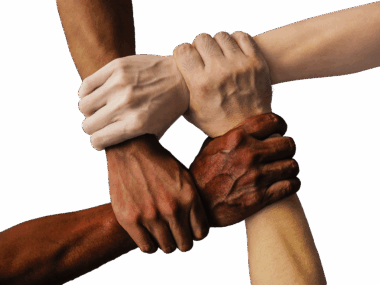
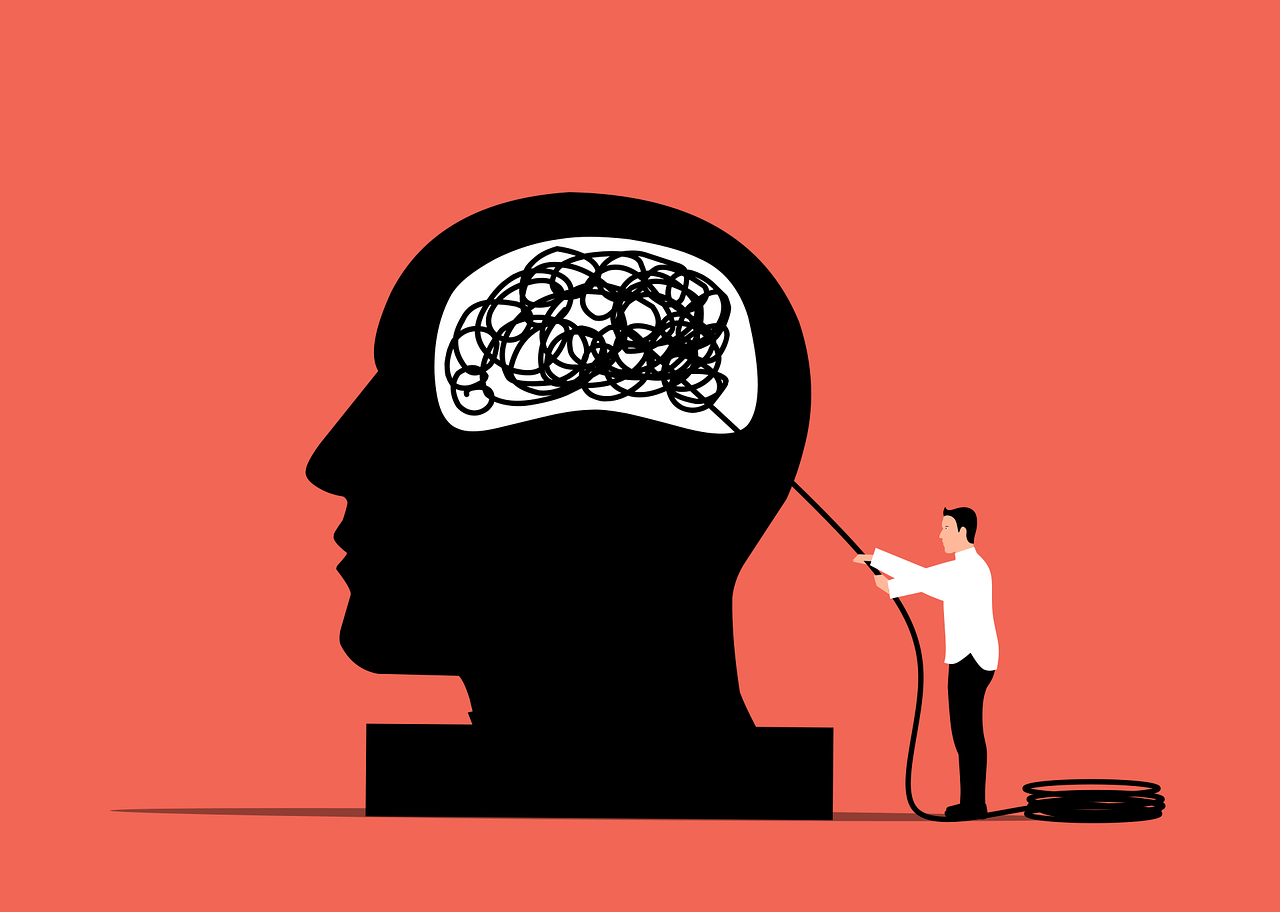
Social support plays a crucial role in stress management, particularly within various cultural contexts. Different societies respond uniquely to stress, determining how individuals seek and perceive support. In collectivist cultures, for instance, social bonds are fundamental, and community support may mitigate stress effectively. Conversely, in individualistic cultures, people may prioritize personal autonomy, leading to distinct coping mechanisms. These variances significantly impact how different cultural groups experience and manage stress. Understanding these differences is essential for providing appropriate stress management resources that cater to unique needs. Research indicates that support from family and friends may buffer against the harmful effects of stress by offering emotional guidance, tangible assistance, and informational resources. Social gatherings often create a safe space for sharing experiences and emotions. Factors such as family dynamics, social networks, and cultural beliefs shape these interactions. Additionally, the subjective perception of available support can affect one’s emotional response to stress. Effectively navigating stress requires cultural sensitivity and awareness of these diverse perspectives. By acknowledging the importance of these cultural variations, mental health professionals can better support individuals facing stress in similar environments.
Cultural Differences in Perceptions of Support
In exploring social support and stress management, cultural differences are paramount. Individuals from various backgrounds perceive and utilize support differently, largely influenced by cultural norms and values. For instance, in Asian cultures, there exists a tendency to emphasize family involvement and community ties, leading individuals to rely heavily on close-knit networks during stressful times. Alternatively, in Western cultures, personal independence and self-reliance are common themes. Here, people might seek support outside their immediate family, opting for friends or professionals. The framework of cultural contexts not only influences the accessibility of support but also shapes its nature and effectiveness. Individual coping styles often vary based on cultural upbringing, where communal approaches may be favored in some cultures over others. In environments promoting individualism, reliance on personal strategies like mindfulness may dominate. Researchers have highlighted that understanding these distinctions can facilitate more effective stress management strategies tailored to different populations. Enhancing cross-cultural dialogue can provide insight into varying perceptions and preferences for social support, thereby enriching mental health practitioners’ perspectives on effective interventions for individuals navigating stress.
Role of Communication in Social Support
Communication plays a critical role in facilitating social support, impacting how individuals manage stress across cultures. Effective communication allows individuals to express their needs and seek help from others, enhancing their coping abilities. Cultural communication styles significantly affect how support is perceived and offered. For example, direct communication is valued in many Western cultures, encouraging vulnerability and open expression of stressors. Conversely, some Eastern cultures may prioritize indirect or non-verbal communication, which can lead to challenges in articulating distress. This disparity can hinder effective support, as individuals may misinterpret intentions or overlook hints for assistance. It is crucial for individuals and support systems to understand these dynamics to foster stronger supportive relationships. Additionally, factors such as technology and social media have transformed communication methods, changing how people interact and access support. Online platforms can expand social networks, providing access to diverse perspectives and peer support. Nevertheless, the effectiveness of digital communication varies among cultural groups. Thus, promoting clear and culturally sensitive communication strategies remains essential for enhancing social support. Engaging with these methods can further strengthen individuals’ resilience against stress by facilitating open dialogues about emotional experiences.
Various forms of social support are prevalent across cultures, each providing unique ways to alleviate stress. In many cultures, emotional support becomes paramount, as it allows individuals to share feelings and gain reassurance. In communal societies, practical support, such as assistance with daily chores or childcare, is also significant. These tangible forms of help can relieve immediate stressors and foster a sense of belonging and reciprocity. Conversely, some cultures may emphasize informational support, where individuals seek advice and guidance from mentors or elders. This form of support can build resilience through shared knowledge and experience. Understanding these dimensions is crucial for effective interventions that respect cultural norms and values. Mental health professionals must consider the various types of support available within different communities. Offering customizable interventions that align with cultural practices can enhance their effectiveness. Moreover, establishing trusting relationships with clients fosters environments conducive to sharing and receiving support. Lives enriched by social connections can exhibit improved emotional well-being. Ultimately, recognizing and integrating these varied forms of support will enable healthier stress management approaches across cultural landscapes. In summary, cultural appreciation can significantly enhance stress coping strategies and resilience.
The Impact of Social Isolation
Social isolation can dramatically heighten stress levels, especially in cultures that deeply value communal ties. Feelings of loneliness can intensify stress, leading to adverse health outcomes. Particularly in collectivist societies, where being part of a group is crucial, isolation can be particularly detrimental. In contrast, individualistic cultures may perceive isolation differently, often associating it with independence. Nevertheless, across all cultures, the detrimental effects of isolation are evident, suggesting a universal need for social connections. Research has shown that individuals experiencing isolation report higher levels of anxiety and depression, underlining the necessity for social interaction. Developing community support programs can help reduce feelings of isolation. Additionally, fostering environments where individuals feel empowered to connect can alleviate stress. Furthermore, mental health platforms that promote inclusivity and accessibility can work towards mitigating the impacts of isolation effectively. Encouraging culture-specific group activities, workshops, or meetings can strengthen ties amongst members of different backgrounds. Strengthening community bonds is vital for reducing stress associated with isolation and improving overall mental health. By highlighting the importance of social networks, individuals can learn effective coping strategies, paving the way to stronger mental resilience.
Research clearly demonstrates cultural variations in support mechanisms, emphasizing the importance of context in stress management. Social support theories primarily focus on the diversity of responses individuals exhibit during stressful experiences. In many cultures, the perception of social support hinges on established relationships, familial bonds, and community interactions. For instance, strong family ties may serve as a buffer against stress in many Mediterranean cultures. In contrast, relationships in Nordic countries may focus more on individuals’ autonomy and equal partnerships, which influences their approach to seeking help. Recognizing these variations allows mental health professionals to tailor their approaches to meet specific needs. Here, cultural competency is essential, as practitioners must appreciate diverse communication styles and preferences surrounding emotional expressions. Incorporating cultural considerations into interventions raises the effectiveness of coping strategies and support systems. Furthermore, practitioners should focus on integrating local understandings of stress within their work, enhancing relatability and relevance. By doing this, mental health services can significantly improve community engagement and promote effective systems of support. As research continues to explore these complexities, cultivating a culturally aware mental health environment can better serve individuals facing unique stressors.
Future Directions for Research and Practice
Future research on social support and stress must delve deeper into understanding cultural nuances. Emphasis should be placed on longitudinal studies that examine how social support evolves over time across different cultures. Understanding the temporal aspects of support can reveal critical insights into stress management and resilience. Additionally, researchers should explore the effects of globalization on social support systems, as cultural interactions become increasingly intertwined. Investigating how traditional practices blend with modern support options can provide a comprehensive view of emerging support dynamics. There is also a pressing need to formalize educational training for mental health practitioners regarding cultural sensitivity in support contexts. Workshops and resources focused on understanding diverse cultural practices and beliefs are vital. Effective strategies and interventions can only develop when practitioners are equipped with this knowledge. Moreover, future studies should incorporate the experiences of historically underrepresented groups. Establishing collaborations with cultural organizations can enhance research quality and relevance. By focusing on these essential components, the field can offer better predictions and interventions for managing stress across diverse populations. Ultimately, fostering an inclusive approach will significantly benefit individuals seeking support in their cultural contexts.
Exploring the interplay of social support and stress through a cultural lens reveals significant implications for mental health practice and policy. Recognizing how cultural frameworks shape support systems can enhance the effectiveness of mental health interventions. By understanding how communities interact with stress and promote support, practitioners can foster resilience in their clients. In policy terms, promoting initiatives that encourage social connectedness across various settings can enhance community wellbeing. Empowering support networks to flourish and integrating them into public health approaches will address the social determinants of mental health. Furthermore, collaborations among diverse community leaders can spearhead programs tailored to specific cultural needs. Advocating for mental health awareness in schools and workplaces can further open avenues for discussion around stress and support. Beyond mere awareness, these initiatives can promote healthy coping strategies and reduce stigma surrounding mental health challenges. Enriching cultural perspectives within social support dialogues enhances the understanding of stress management. Culturally congruent policies can also encourage community participation, building environments that promote connectedness. Ultimately, fostering culturally-sensitive approaches and community engagement can result in measurable improvements in mental health outcomes, paving the way for a more resilient society.