
Outdoor Fitness Games to Foster Mental Toughness in Kids
Outdoor fitness games play a crucial role in developing mental resilience in children. Engaging in physical activities not only boosts physical health but also fosters greater mental toughness. Games like capture the flag or obstacle courses require strategic thinking and teamwork, which challenge kids’ problem-solving skills. Additionally, these outdoor activities help them manage stress while they learn to communicate effectively with their peers. When children encounter challenges during play, they develop persistence and grit, important components of mental resilience. Participating in such games also teaches kids that failure is just a stepping stone to success, promoting a growth mindset. This mindset is essential for their overall development and lifelong success. Furthermore, playing outdoors provides a break from screens and helps children connect with nature. Such connections can enhance their mood and reduce anxiety, contributing to better mental well-being. To maximize these benefits, parents and teachers can encourage diverse physical activities that cater to different interests. This inclusivity ensures every child finds joy in exercise, leading to sustained participation and growth.
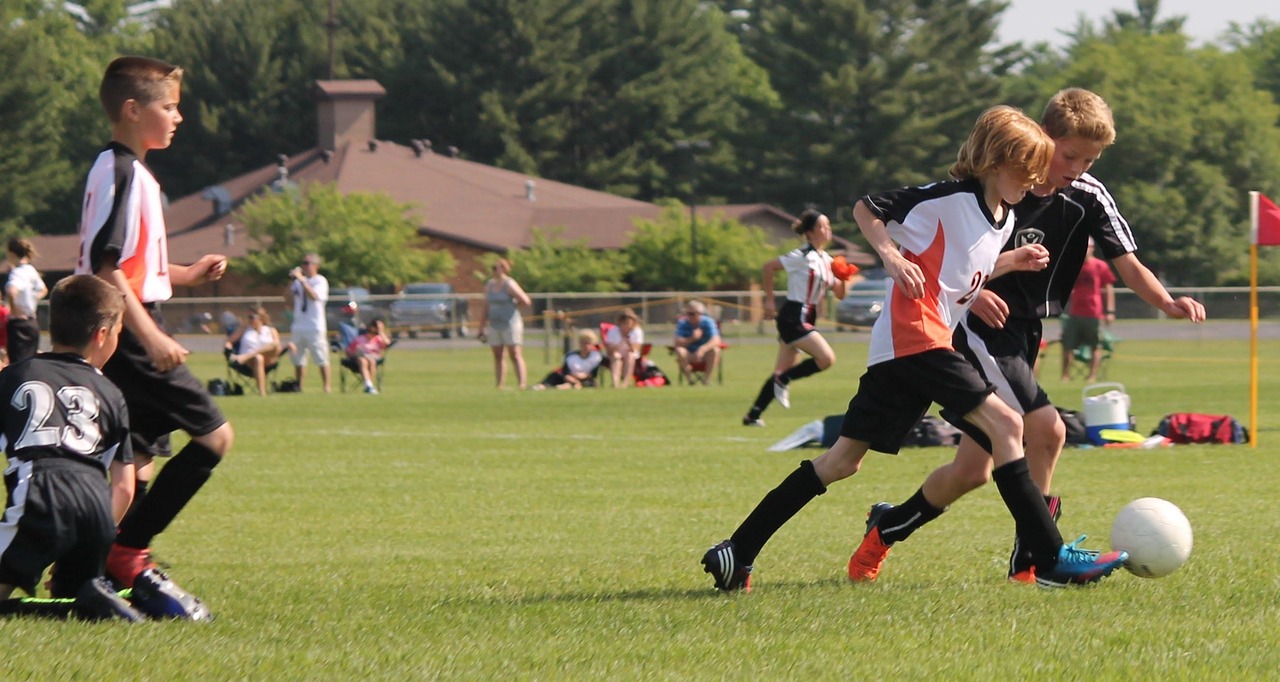
Group activities like relay races or team sports emphasize collaboration, which further builds mental resilience. In these settings, children learn the importance of supporting one another. When kids cheer each other on, they boost morale and encourage perseverance. Even in competitive situations, lessons in humility and sportsmanship emerge, equipping youngsters with crucial life skills. Additionally, creating a safe environment for fitness games reduces anxiety associated with performance. Children should feel comfortable challenging themselves without fearing ridicule for their efforts. Simple modifications, like varying difficulty levels to suit diverse skill sets, can elevate the experience for all. For example, creating teams with mixed abilities allows stronger players to mentor their peers. This is especially rewarding, as children realize their potential to influence others positively. Parents can facilitate outdoor fitness games through local parks or community centers, making them accessible to all. They may also organize family events that include physical challenges to promote unity. By incorporating fun and fitness, children develop a healthier attitude toward exercise, leading to lifelong habits that benefit both mental and physical health. Empowering kids through play sets a strong foundation for their future challenges.
The Importance of Strategic Play
Strategic play in outdoor fitness encourages kids to think critically and approach challenges methodically. Activities such as scavenger hunts or adventure trails stimulate thinking and creativity while promoting physical fitness. Children must use their cognitive skills to decipher clues, navigate obstacles, and achieve goals. This fosters resilience as they encounter and overcome challenges, building their confidence in problem-solving. The enjoyment derived from completing a scavenger hunt also encourages repeated participation, leading to sustained benefits. Crafting these games to include levels of difficulty allows kids to progress gradually, reinforcing their capabilities and encouraging resilience. Parents and guardians can contribute by helping to design suitable games that factor in the children’s interests. Emphasizing teamwork within these strategic practices also develops a sense of belonging among participants. Kids learn to appreciate each other’s strengths and weaknesses, cultivating respect and empathy. These character traits are critical as they venture into more complex social situations throughout their lives. Thus, outdoor fitness games provide a platform where strategic play merges with personal growth, and children can thrive amidst challenges while nurturing their mental resilience through the outdoors.
Incorporating rewards and challenges into outdoor fitness games can significantly enhance engagement levels in children. When kids feel a sense of achievement, they become more willing to tackle new challenges that push their limits. Simple reward systems, such as stickers or badges, can motivate children to enjoy reaching milestones. These systems reinforce the idea that effort has tangible benefits, enhancing their mental toughness. Additionally, adapting elements from popular games can draw children’s interest and stimulate participation. Popular culture often influences children’s interests, and integrating these themes into fitness activities promotes engagement. Furthermore, some games foster creativity, allowing kids to design their own fitness challenges and invite friends to join. This creativity not only energizes the environment but also promotes inclusivity among all participants. Utilizing familiar playground equipment, parents can create unique fitness obstacles that drive skills such as agility and coordination. This variety maintains excitement and encourages repeat participation. By creating a diverse and adaptive fitness landscape, children grow mentally resilient and physically active, finding joy and achievement in every challenge they face.
Praise and Support as Motivators
Another key to fostering mental toughness is the role of affirmation and support during outdoor games. Recognition and encouragement from peers and adults significantly impact children’s willingness to try new activities. When children receive praise for their effort, they develop a positive self-image. This enhancement leads to increased motivation to tackle new and difficult challenges. Furthermore, support helps kids manage emotional responses to failure during games, fostering resilience and a growth mindset. Providing constructive feedback during activities helps children understand areas for improvement, allowing for a supportive learning environment. Encouragement can also transform setbacks into opportunities for further growth, helping kids understand that learning is an ongoing process. Adults can model this supportive behavior by celebrating each child’s successes, reinforcing the idea that every small achievement matters. Hosting friendly competitions can further spark motivation while emphasizing camaraderie over rivalry. Subsequently, kids learn that mental resilience stems not just from individual strength but from community support. This connection enhances their social skills and creates lasting friendships as they engage in activities together.
Variety in outdoor fitness games caters to children’s different interests and abilities, ensuring inclusivity in physical activity. Children who may feel alienated from traditional sports often find joy in alternative activities such as dance-based fitness or nature walks. These inclusivity strategies encourage all children to be active, regardless of their preferences. By introducing unique games, such as ultimate frisbee or capture the flag, accessibility improves as children experiment with various team dynamics. This fosters collaboration and understanding among peers from diverse backgrounds. Additionally, these games build mental toughness by allowing kids to navigate varying responsibilities and roles within the group. Each game emphasizes flexibility, cooperation, and critical thinking. Parental involvement in these activities can also significantly influence children’s enthusiasm towards participation. When kids see their parents engaging in outdoor fitness, they are more likely to follow suit. Combining parent-child dynamics with group fitness activities creates a supportive environment that nurtures mental resilience. This interconnectedness stimulates a sense of belonging, further enhancing children’s motivation to participate actively in outdoor fitness games. Engaging in positive experiences sets the foundation for a healthy lifestyle.
Conclusion and Future Perspectives
In conclusion, outdoor fitness games provide an exceptional avenue for nurturing mental strength and resilience in children. Engaging in activities that challenge their physical abilities promotes not only health but essential life skills. The combination of outdoor play, strategic thinking, and supportive environments empowers kids to embrace challenges with confidence. Every game teaches children to work collaboratively, manage setbacks, and understand their value. Moving forward, communities should promote outdoor fitness initiatives that prioritize children’s mental and physical health, creating inclusive programs accessible to everyone. Schools and local governments can collaborate to design creative outdoor spaces that facilitate fitness activities for all ages. By investing in diverse, engaging, and supportive environments, we cultivate understanding and appreciation of both mental and physical wellness in future generations. Families, educators, and community leaders together can create a culture that values the true benefits of fostering mental resilience through fitness. Ultimately, these investments will result in healthier, happier, and mentally stronger children prepared to take on life’s challenges with determination. As we look ahead, the fusion of health, happiness, and resilience should remain our guiding mission.
Final thoughts on outdoor fitness games indicate their immense potential in fostering resilience among children through active play. The development of mental toughness is crucial for facing life’s challenges, and outdoor activities serve as practical training grounds. By using dynamic games, supportive environments, and emphasizing praise, we equip kids with the skills they need for their futures. Investment from local communities and parents can facilitate these interactions, creating avenues for children to grow together in a physically engaging atmosphere. Let’s work on making outdoor fitness a fundamental part of childhood, ensuring every child understands the benefits of resilience and teamwork. This dedication to fostering fitness and well-being can help shape our future generations into mentally robust individuals who thrive on challenges and help each other succeed.