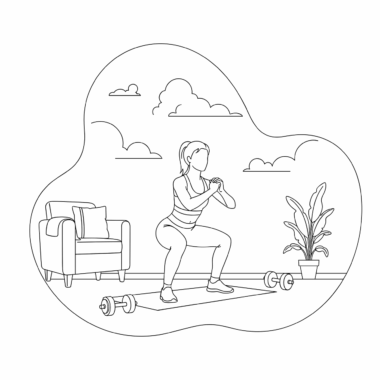

Adapting Your Bodyweight Routine to Different Travel Environments
Traveling can challenge your workout routine, particularly when it comes to maintaining your bodyweight exercises. However, adapting to different surroundings can be straightforward with the right mindset and strategies. Before your trip, assess the locations you’ll visit to understand available spaces for exercising. You can leverage outdoor parks, hotel gyms, or even your room. By focusing on versatility, select exercises that require minimal equipment like resistance bands or your body weight. This includes movements such as push-ups, squats, and planks that can be done anywhere. Incorporating flexibility into your routines allows you to adjust according to the length and difficulty of your environment. Prepare your mind for the unpredictability that comes with traveling. Plan short, effective workouts that can keep you energized throughout your trip. Prioritizing your health even during travel will improve your experience. Remember to pack comfortable workout clothing to make exercising more inviting. In foreign places, find local communities or groups that share fitness interests, rather than sticking solely to a routine that feels isolated. Engaging with others during workouts can enhance motivation and enjoyment. Remember, consistency is key, regardless of location.
Regardless of your travel destination, it’s vital to maintain a consistent workout schedule. One effective way is to establish a daily routine that incorporates bodyweight exercises, ensuring they fit easily into your itinerary. Mornings are often the best time for workouts, as they help kick-start your day. Find a quiet spot in your hotel or take your workout outside to enjoy fresh air. Focus on compound exercises like burpees, lunges, and climbing planks to engage multiple muscle groups. When overseas, consider outdoor environments or interesting terrains that can double as your gym, such as beaches or parks. To keep things fresh, rotate your exercises daily, targeting different muscle groups. Another tip is to use travel as an opportunity to explore new fitness videos, apps, or workouts online. Perhaps delve into yoga or Pilates, which can greatly enhance flexibility and core strength. Stay committed by keeping your goals visible; write them down. You can adjust according to your energy levels or available time. Utilize workout apps that offer guided routines adaptable to varied spaces. Many such resources cater specifically to bodyweight training, providing an excellent way to stay on track no matter where you are.
Incorporating bodyweight exercises during travel also involves utilizing the spaces available to you effectively. Your hotel room might be smaller than your usual gym, but that doesn’t mean a solid workout is impossible. Utilizing furniture for assistance can create unique workout opportunities. For instance, using a chair for tricep dips or a sturdy table for inclined push-ups can yield excellent results. It’s essential to be creative with movement; you don’t need expansive space for effective training. Additionally, combining exercises can maximize your workout within a limited timeframe and space. For example, pairing workouts such as squats followed by push-ups creates a quick circuit. Not only does this keep the heart rate elevated, but it also supports endurance. Consider timing your workouts with errands, such as setting a 20–minute session to break up long periods of sitting and traveling. Always remember to warm up before diving into intense routines, especially after long flights, which can leave your body stiff. Cooling down after workouts is equally important for recovery. Always listen to your body; adjusting your routine based on how you feel allows you to remain injury-free during your journey.
Nutrition and Hydration Considerations
Staying fit while traveling also necessitates awareness of your nutrition and hydration strategies. Food choices during travels can prove challenging, especially when dining out or in places unfamiliar to you. Maintaining balance is crucial for both energy levels and recovery. Prepare healthy snacks such as nuts, fruit, or protein bars for quick access during travels. Always opt for nutritious meals when possible, incorporating lean proteins, vegetables, and whole grains. Utilizing grocery stores or local markets to find healthy options is often beneficial. Keep hydrated, especially during long travel days where fluid intake may decrease drastically. Carry a reusable water bottle, which allows you to refill at various points during your journey, ensuring access to fresh water. After workouts, focus on nutrition recovery; protein-rich meals help repair muscle damage for better performance. If you indulge occasionally, don’t stress it—balance is the key to sustainability. Listen to your body and note any changes in your energy or mood. Proper nutrition supports overall well-being. Make meal planning a priority during trips; accountability to your nutritional goals will enhance your experience.
Traveling provides an excellent opportunity to connect with global fitness cultures. Engaging with local fitness classes can add an enriching dimension to your bodyweight training experience. Classes can vary from yoga and Pilates to martial arts, allowing you to explore diverse styles while maintaining your fitness levels. Not only does this offer a fresh workout perspective, but it also exposes you to local trainers, methods, and even camaraderie with fellow participants. Websites and applications dedicated to fitness can aid in locating nearby gyms or community centers that offer unique classes at your travel locations. Many cities boast outdoor fitness parks that encourage bodyweight training with specialized equipment. Embrace this as a chance to learn new techniques that can integrate into your regular routine back home. Additionally, sharing your own fitness journey with locals may inspire mutual knowledge sharing. Documenting experiences via social media can also reinforce your commitment to stay active. Having new experiences broadens your horizons while encouraging a positive connection to fitness. Keep an open mind and approach these sessions with curiosity and enthusiasm for what fitness means across cultures.
Lastly, it’s essential to consider safety and well-being while performing exercises in unfamiliar environments. Being aware of your surroundings minimizes potential risks associated with exercising. For safety, choose well-lit and populated areas, especially when outdoors. If working out in a hotel, ensure that any equipment used is secure. Familiarize yourself with local emergency procedures in case of unplanned incidents. Before starting workouts, consider a quick assessment of your health; any travel-related stressors or food changes may influence your ability to perform. Adjust your routine according to your physical responses as needed. Maintaining communication with travel companions can enhance safety; they can keep track of your location while performing exercises outdoors. Always listen to your body whenever something feels off; resting is also productive. Prioritize self-compassion during your journey; fitness does not have to be rigid. Adaptability will ensure that you embrace the Travel experience, engaging in bodyweight exercises seamlessly while enjoying new environments without conflicts. After travel, review your experiences and adjust your routine accordingly for future journeys.
Conclusion: Traveling and Staying Fit
In conclusion, bodyweight training during travel is entirely achievable with the right mindset and preparation. By creating adaptable routines, strategizing workouts, and embracing local fitness culture, you can maintain your health goals seamlessly. Moreover, good nutrition and hydration play vital roles in this equation, helping sustain your energy levels throughout your trip. Balancing workouts with exploration keeps motivation high while fostering unique experiences. Adapting to these new environments not only enhances physical fitness but also builds mental resilience, making you more adaptable to various situations, which is essential when traveling. Being mindful of your surroundings ensures safety while exercising. Remember to embrace variations in styles and practices, allowing personal growth as both an individual and a fitness enthusiast. Share your journey through social media for community support; this can keep you accountable while engaging with others who share similar interests. When planning your next trip, consider how to integrate bodyweight exercises naturally. Most importantly, enjoy each moment, as travel enriches life experiences in ways that enhance both body and spirit. Happy travels and healthy workouts!
Your journey towards fitness during global travels is achievable, rewarding, and flexible. Incorporating regular workouts will not only maintain your physical health but also uplift your mental state, making trips even more enjoyable. Safe and consistent training allows you to immerse yourself in different cultures while prioritizing well-being. Many find that exercising in diverse places stretches creativity and opens up new training perspectives. Stay committed to personal health goals by using travel to inspire motivation rather than a barrier. Each trip is an opportunity to engage with a new world while nurturing your body and mind. Ensure every experience remains enriching through a balanced approach. Take advantage of the surroundings, whether mountains, parks, or gyms, which can all become your personal fitness arenas. Ultimately, your bodyweight routine can thrive even on the road, tailored to meet changing environments and limitations. Adopt a mindset of exploration, curiosity, and fun; this positively influences your travel experiences and overall fitness journey. Discovering different methods fosters adaptability, which benefits training longevity. Keep remembering your ‘why’ for exercising when traveling, staying true to your goals adds joy to every moment on your travels.