
Yoga Poses to Relax Your Body Before Going to Bed
Practicing yoga before bedtime can significantly improve relaxation and ensure a peaceful night’s sleep. One of the most effective poses is the Child’s Pose. This gentle stretch helps release tension in your back, shoulders, and neck, promoting a state of calm. To enter this pose, kneel on the floor, sit on your heels, and stretch your arms forward along the mat. Breathing slowly and deeply, allow your forehead to rest on the ground, which sends signals to your nervous system to unwind. Sustaining this position for a few minutes can enhance nighttime tranquility. Another beneficial pose is the Legs-Up-The-Wall pose. This restorative posture encourages blood circulation and can alleviate feelings of tiredness before bed. By lying on your back and extending your legs up against a wall, keeping them straight, you facilitate relaxation in the entire body. Remember to maintain awareness of your breath while in these poses, as deep breathing is also crucial for calming your mind. Incorporating these postures into your nighttime routine not only aids in relaxation but also enhances overall sleep quality. As you explore these poses, listen to your body and adjust as needed.
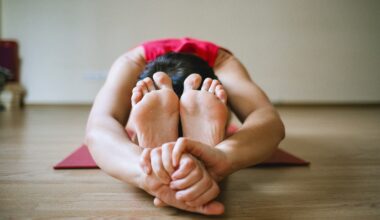
To continue enhancing relaxation, the Seated Forward Bend can be a wonderful addition to your evening yoga routine. This pose stretches the spine and hamstrings while calming the mind. Sit with your legs extended ahead of you, and then gently bend forward, keeping your spine straight until you feel a stretch. Breathe deeply as you hold this position. A modified version of this pose can also be practiced with a cushion under your knees if flexibility is an issue. This allows even more comfort for long-held stretches, promoting a deep sense of relaxation. Transitioning into the Cat-Cow stretch is another effective technique to release tension from the spine. Alternating between arching your back and dropping your belly slowly warms up the spine, fostering emotional and mental release. Combine this with deep, synchronized breathing for even greater relaxation. It’s essential to move at your own pace, engaging with your breath to find the optimal rhythm. These poses, combined with a soothing environment, can create a peaceful atmosphere. As a result, you may find it easier to transition into a restful night’s sleep, allowing both body and mind to rejuvenate fully.
Finding Calm with Restorative Postures
In addition to the previously mentioned poses, incorporating the Savasana, or Corpse Pose, is crucial for your nighttime routine. This pose allows the body to absorb all the benefits of the yoga practice. Simply lie on your back, arms at your sides, and let your feet drop open. Focus on letting go of any remaining tension as you breathe steadily. Consider spending 5 to 15 minutes in this pose, consciously relaxing each body part, and directing soothing energy throughout your muscles. Close your eyes to eliminate distractions and turn your awareness inward. Allow your thoughts to drift away as you embrace the stillness of your body. This final resting pose is paramount for achieving mental clarity and overall relaxation. Completing your yoga routine with a grateful heart and a calm mind can create a profound sense of closure for your day. Furthermore, for those who seek even deeper relaxation, a gentle Yin Yoga practice can be included in the evening routine. By holding poses longer, Yin Yoga targets connective tissues, resulting in significant relaxation and stress relief just before bedtime.
Incorporating essential oils into your practice can amplify the calming effects of yoga. Aromatherapy is proven to promote relaxation and ease anxiety, thus preparing your body for sleep. Lavender essential oil is famous for its soothing properties, making it an excellent choice before bedtime. Consider using a diffuser in the yoga space or applying diluted oils directly on your pulse points. Pairing essential oils with your yoga practice can enhance your sensory experience, leading to a more profound method of relaxation. As you flow through sequences, visualize your intentions and breathe deeply to benefit from these oils. Another approach is guided meditation alongside your yoga. As you transition into the stillness of Savasana, listen to mindfulness recordings that focus on relaxation and stress relief. This combination will further quiet the mind, allowing for deepened relaxation. Each minute spent in quiet reflection enhances your well-being and promotes a restful state. By cultivating this time dedicated to yourself, you build a sanctuary of peace before bed. Integrating these elements into your yoga routine can significantly improve your overall sleep quality and recovery.
Importance of Consistency and Environment
As with learning any new skill, consistency is vital for experiencing the full benefits of bedtime yoga. Establishing a nighttime routine sets a clear intention for stopping daily activities and preparing for rest. Your body and mind will start to associate this specific time with relaxation and calm. Ideally, dedicate the same time every night to your yoga practice to cultivate this habit. Moreover, creating a soothing environment can substantially impact the effectiveness of these relaxation techniques. Dim the lights, eliminate distractions, and play soft, calming music to enrich your experience. Consider using a comfortable mat or blanket to make each session pleasant. Intentionally develop an atmosphere not just for your yoga practice but for the entire bedtime routine. This allows your body to seamlessly transition into sleep mode. Following these steps can make it easier to integrate yoga and relaxation techniques as a holistic approach to nightly recovery. As your body becomes accustomed to these practices, sleeping may compound health benefits, improving recovery and performance during active hours. Emphasizing these habits turns into a beneficial cycle for both health and wellness.
Furthermore, also try incorporating gentle stretches during the day as a supplementary method promoting relaxation before bed. Including even brief five-minute sessions of simple neck rolls or shoulder shrugs can relieve accumulated tension from the day. Carry these feelings into your evening yoga routine. If anxious thoughts arise, they can easily disrupt an otherwise calming environment. So, be mindful of your mental state and gently guide yourself back to the present moment through your breath. With practice, you’ll find it easier to manage stressors throughout your day. Consider also writing a gratitude journal right before bed to further enhance your relaxation techniques. This can help calm racing thoughts and clear your mind, creating space for restful sleep. Allowing yourself this time reflects positively on your overall health. Reminding yourself of joy can significantly improve higher levels of relaxation before sleep. Complementing your yoga routine with gratitude not only closes the day on a positive note but also promotes overall well-being. By integrating these practices into your life, you can cultivate a deeply restful night while enhancing personal mindfulness.
Conclusion: Embracing Yoga for Better Sleep
Ultimately, embracing yoga as a means of relaxation before bed lays a solid foundation for improved sleep quality. The intentional movements and calming poses can shift your focus away from the stresses of the day and encourage your body to release tension. Regular practice fosters a deeper connection between body and mind, building the habits necessary for a restful night. The incorporation of various stretches allows for deeper understanding and personal connection to your physical self, enhancing relaxation. Coupled with an appropriate sleep environment, your entire nighttime routine can transform. Establishing rituals of yoga, deep breathing, and gratitude will strengthen your ability to unwind. Try to approach your yoga practice with an open heart and mind, seeking exploration in relaxation and stillness. Remember that every individual is unique, and what feels best for one person may differ for another. Remaining adaptable and committed to your routine will eventually yield favorable outcomes. Through consistent practice, you will begin to notice improvements in not just your sleep quality, but overall life satisfaction. With patience, embrace this magical journey of enhancing relaxation and promoting deeper sleep through yoga.
In summary, yoga poses such as the Child’s Pose, Legs-Up-The-Wall, and Child’s Pose provide excellent options. Incorporate these techniques into your evening routine to prepare for restful sleep. Remember to create an inviting atmosphere by using calming elements like soft lighting and soothing aromas. Regularly practicing these relaxation techniques can significantly enhance your bedtime routine, aiding in stress relief and enabling restful sleep. Consider consistency to reap maximum benefits and cultivate a reliable practice over time. Keep your body moving throughout the day, integrating gentle stretches as well. Also, consider journaling your thoughts to expel anxious traces from your mind just before sleep. This holistic approach combines movement, mindfulness, and stillness into your evenings for effective results. As you engage in these practices, monitor your progress, and be proud of every bit of relaxation achieved. Lastly, remember to cherish this time dedicated solely to your well-being as an essential aspect of self-care. With each mindful moment, you’re nurturing a more profound relationship with sleep and embracing the opportunity for rejuvenating bliss.