
Preventing Knee Injuries Through Targeted Yoga Poses
Knee injuries can be debilitating, yet many injuries are preventable through targeted exercises. Engaging in yoga not only improves flexibility but also enhances the strength of the muscles surrounding the knee. By focusing on specific yoga poses, individuals can create stability and balance, significantly reducing the risk of injuries. Regular practice helps in aligning the knee joint, which is crucial for injury prevention. Strengthening the quadriceps, hamstrings, and calves stabilizes the knee during movement, allowing you to move more freely. Incorporating practices such as breathing and mindfulness helps connect the body and mind, ensuring safe practice. Essentially, a body in balance is less prone to injury. Yoga helps develop this balance by focusing on proper alignment and weight distribution. Starting slowly in your practice encourages gradual improvement, while more advanced poses can be included as proficiency increases. Additionally, stretching the ligaments and tendons around the knee has proven advantageous for long-term joint health. Overall, understanding the significance of targeted yoga poses paves the way for a sustainable approach to knee injury prevention and recovery.
Key Yoga Poses for Strengthening the Knee
Several key yoga poses significantly contribute to strengthening the knee. One of them is the *Warrior II*, which enhances leg strength while promoting stability in the knee joint. To practice this pose, start by standing tall with feet wide apart; then angle one foot out, bend the corresponding knee, and extend arms sideways. This posture helps in developing quadriceps strength crucial for knee support. Another beneficial pose is *Chair Pose*, which engages the entire lower body and encourages strength throughout the legs. While in this pose, note how the knees align with the toes to ensure proper tracking. Additionally, the *Bridge Pose* helps in strengthening the hamstrings and glutes, offering further support to the knee joints. This pose is performed by lying on one’s back, bending the knees, and lifting the hips while keeping the feet pressed firmly into the mat. It’s essential to hold these positions for a few breaths while focusing on the alignment. Each pose contains unique benefits, and practicing a combination encourages comprehensive knee strength, promoting resilience and reducing injury risk.
Engaging in yoga requires mindful breathing that complements movements during poses. Incorporating breath awareness enhances concentration and maintains stability throughout practice. Inhalation can help when entering or deepening a pose, while exhalation supports relaxing deeper into it. Consistent breathing patterns create a rhythm and foster awareness of the body’s sensations, including any discomfort. This awareness is crucial for injury prevention. Being attuned to what feels right empowers practitioners to modify their practice as needed. Practicing the *Cat-Cow Pose* can be a way of promoting healthy spinal alignment while also relieving tension around the knees. This movement encourages flexibility and involves articulation of the spine, which indirectly supports knee joints by creating overall body balance. During yoga sessions, it’s also wise to incorporate resting poses, like *Child’s Pose*. This pose allows your nervous system to relax while maintaining stability in your legs and stretching joints gently. Most importantly, it’s essential to listen to your body. Every pose and breath should contribute to minimizing tension in your body while preparing it for strength building needed to prevent knee injuries.
The Role of Flexibility in Knee Health
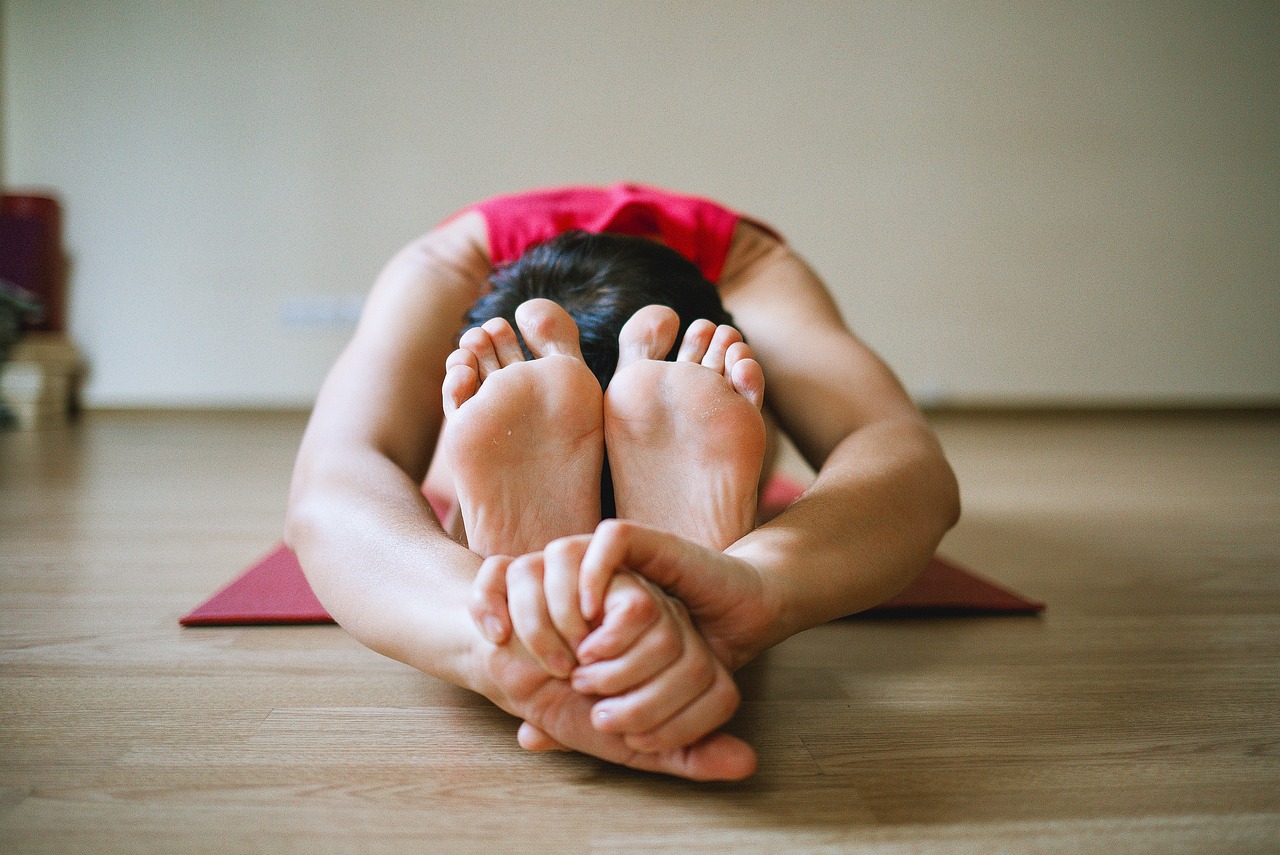
Flexibility plays an essential role in knee health, influencing how the joint functions during activities. Inadequate flexibility can lead to stiffness, affecting overall mobility. Tight muscles, especially in the quadriceps and hamstrings, can alter the way forces are transmitted through the knee joint, increasing injury risk. Yoga serves as a perfect platform to improve flexibility effectively while directly conditioning muscles surrounding the knees. Poses such as *Downward Facing Dog* and *Seated Forward Bend* target the hamstrings and calves, promoting lengthening of these muscles. Enhanced flexibility in these areas poses benefits while reducing pressure on the knee during physical activities. Moreover, incorporating hip-opening poses, like *Pigeon Pose*, helps relieve tension, which also contributes to knee function. Improved flexibility means less likelihood of injury since the body adapts better to physical demands. Furthermore, achieving flexibility through yoga encourages a gradual improvement, allowing your body to adjust without the risk of strain. Maintaining this flexibility over time can significantly impact the mobility, stability, and strength necessary for activities, contributing effectively to overall knee health.
Yoga is not just a physical practice; it emphasizes the importance of mindfulness and body awareness, both crucial in preventing knee injuries. Mindfulness promotes conscious movements, encouraging practitioners to pay close attention to their body’s signals. Understanding the limits of your body informs decision-making when pushing boundaries during poses. This conscious awareness is essential when practicing challenging postures that require knee flexibility and strength. Integrating mindfulness techniques alongside yoga practices offers multiple health benefits. Visualization techniques during practice can also aid in building mental resilience to overcome fears associated with movement. This includes visualizing how your knees should be aligned to prevent stress during workouts. Additionally, integrating yoga into an overall fitness routine encourages a holistic approach towards injury prevention. Balancing yoga with strength training can create a robust physical foundation, ensuring your body can withstand impact and strain during activities. Consistency is key; regularly practicing yoga enables individuals to develop a deeper understanding of their bodies and the mechanics involved during various movements. Thus, it’s essential to create a schedule that incorporates these yin and yang elements for maximal knee protection.
Incorporating Yoga into Recovery Processes
Lastly, utilizing yoga during recovery from knee injuries can be beneficial in enhancing overall healing. Restorative yoga, specifically designed to support recovery, employs gentle stretches and low-intensity movements. This approach invites blood flow to the injured area while minimizing strain. Poses such as *Legs-Up-The-Wall* gently promote circulation and lymphatic drainage, accelerating recovery from injuries. Additionally, practicing poses closer to the ground maintains a strong connection with stability without requiring excessive effort on the knee joints. Mindful breathing enhances relaxation, which in turn facilitates recovery by reducing muscle tension and anxiety surrounding injuries. Furthermore, yoga allows individuals to reconnect with their bodies post-injury, fostering trust in abilities again. Gradually returning to a regular yoga practice can safely rebuild strength and flexibility. Engaging with a knowledgeable instructor ensures that modifications are made to accommodate previous injuries while maintaining safety during practice. Community classes or one-on-one sessions can also offer valuable support during recovery. Remember, patience plays a significant role while healing; allow the body time to recover fully before expanding the range and intensity of movements. Yoga’s holistic benefits contribute greatly to overall well-being.
In conclusion, yoga serves as a powerful tool for preventing knee injuries and promoting recovery after injuries occur. By integrating targeted yoga poses into your fitness regime, you can ensure that the muscles, tendons, and ligaments surrounding the knee remain strong and flexible. Employing flexibility techniques helps alleviate tightness while strengthening the knee joint itself, enabling safe movement during various activities. The unique combination of mindfulness and breath control in yoga fosters better body awareness, allowing you to recognize signs of discomfort sooner. When practicing yoga, focus on the poses that align with your injury prevention goals. Most importantly, strive to understand and listen to your body. Progress should be gradual with appropriate modifications, especially when experiencing existing conditions. Moreover, pairing yoga with physical therapy aspects can create a more rounded approach, crucial for long-term recovery. Classes dedicated to injury prevention are highly beneficial for those dealing with chronic knee issues. Take the initiative to explore local offerings and find what resonates with your needs. Ultimately, developing a consistent yoga practice can foster better knee health, resilience, and lower injury risk for the future.