
Designing a Plyometric Routine for Maximum Gains
Plyometric training is essential for enhancing athletic performance, particularly in sports that require explosive power and agility. This training method relies on the stretch-shortening cycle of the muscles, allowing for optimal force production and efficiency in movement. An effective plyometric routine incorporates varied exercises that target different muscle groups, contributing to overall athletic development. To implement a successful plyometric program, athletes should focus on exercises that improve not only power but also coordination and stability. Prior to engaging in plyometric training, it is crucial for athletes to develop a solid foundation of strength and flexibility. This preparation minimizes injury risk while maximizing the benefits of plyometric movements. Various factors influence the effectiveness of a program, including the volume, intensity, and frequency of exercises. Additionally, proper rest and recovery between sessions should not be overlooked, as it plays a vital role in muscular adaptation and performance enhancement. Lastly, incorporating physical assessments prior to starting a plyometric routine can help in customizing the program to fit individual needs and goals, ensuring optimal gains during training.
To maximize the benefits of plyometric training, athletes should consider the various types of exercises involved. Exercises like box jumps, depth jumps, and bounding can challenge proprioception while improving power output. Moreover, these exercises can be tailored to suit athletes of different skill levels, thereby enhancing accessibility. It is equally important to begin each training session with an appropriate warm-up, focusing on dynamic stretches to prepare the muscles for vigorous activity. Following the warm-up, athletes should progress through the selected plyometric exercises in a structured manner. This could involve performing multiple sets with specific repetitions to ensure adequate stimulation of the target muscles. The focus should be on quality over quantity, so it’s crucial to maintain proper technique throughout. To achieve maximum gains, athletes might include advanced variations of basic exercises once they have mastered their form. Monitor fatigue levels and adjust volume accordingly to prevent overtraining and injuries. Regularly revisiting and assessing performance metrics can also provide insight into improvements and areas requiring additional focus, ensuring ongoing progress in strength and power.
Recovery and Nutritional Considerations
Recovery plays a critical role in the effectiveness of any plyometric routine. Following rigorous training, muscles need time to recover and adapt. This is particularly true for plyometric training as it places a significant load on the musculoskeletal system. Adequate rest days should be incorporated into the training schedule, typically allowing at least 48 hours between intense sessions. Moreover, nutrition is essential for recovery and performance. A balanced diet rich in proteins, carbohydrates, and healthy fats provides the necessary fuel and resources for muscle repair. Hydration should not be overlooked, as it is vital for maintaining optimal athletic performance. Athletes should aim to consume a post-workout meal or snack within 30 minutes after training, focusing on a mix of protein and carbs to support recovery. Incorporating foods high in antioxidants and anti-inflammatory properties can also aid in reducing delayed onset muscle soreness (DOMS). Regular evaluations of the athlete’s dietary habits can help make necessary adjustments, optimizing performance and recovery while enabling sustained improvements in plyometric capabilities.
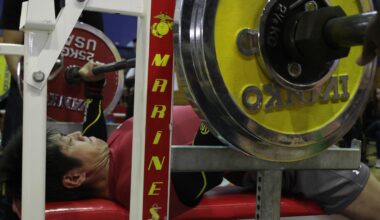
In addition to recovery, strength training should complement plyometric routines, as it can enhance overall performance. By developing a strong foundation, athletes may find that their explosive movements improve significantly. Strength training focuses on building muscle mass, which contributes to greater power output during plyometric exercises. Incorporating compound movements like squats, deadlifts, and bench presses into the weekly routine can establish strength while improving neuromuscular adaptations. The integration of strength training should not occur on the same day as intense plyometric sessions, as proper recovery needs to occur for maximum gains. Weekly planning may involve alternating focus days to allow for optimal performance in both aspects. Additionally, both plyometric and strength training can benefit from the use of progressive overload, continuously challenging the muscles as they adapt. Athletes should consistently track their progress and set specific performance goals within each training phase. This approach promotes sustained motivation and adaptation, ultimately leading to improved athletic outcomes over time when executed consistently and thoughtfully.
Monitoring Progress and Making Adjustments
To ensure the effectiveness of a plyometric routine, monitoring progress is essential. Setting specific, measurable goals allows athletes to track their improvements and adapt their training accordingly. Utilizing metrics such as vertical jump height, sprint times, and agility drills can provide quantitative data to inform adjustments. Regularly re-testing these metrics every few weeks identifies trends, ensuring that the training regimen remains effective and tailored to individual needs. Additionally, utilizing subjective measures, such as perceived exertion can help impressively judge training intensity. Keeping a training journal is a practical way to document progress, which can supply valuable insights into performance patterns. When athletes notice a plateau or decline in performance, it signals the need to reassess their routine critically. Adjustments can range from changing exercises, modifying volumes, increasing rest intervals, or altering recovery strategies. Engaging in open communication with coaches or trainers helps facilitate necessary changes. Recommendations for program modifications should always prioritize the athlete’s safety, preventing overtraining while ultimately pushing for maximum gains in plyometric performance.
Another key element to consider in designing a plyometric routine is the incorporation of sport-specific movements. Tailoring exercises to mimic the dynamic actions performed in a particular sport enhances transferability and overall performance. For instance, a basketball player may benefit from plyometric drills focused on vertical jumps and lateral movements, improving their ability to rebound effectively. Similarly, a soccer player might find explosive drills focused on sprinting and agility beneficial for improving on-field performance. Additionally, utilizing drills that focus on reaction time and quick decision-making can further enhance athletic capability. As athletes progress through their plyometric training, experimentation with varied equipment such as resistance bands and hurdles can introduce a new stimulus, enhancing training efficacy. It is crucial for athletes to continue refining their skills while developing strength and power. Therefore, incorporating technical drills within the plyometric session can further amplify gains. This holistic approach enhances overall athletic ability while ensuring that training remains engaging and effective, ultimately leading to improved results in competitive environments.
Conclusion: The Path to Explosive Power
The journey to achieving maximum gains through a plyometric routine involves commitment, strategic planning, and continuous evaluation. By adhering to structured training principles and systematically progressing through exercises, athletes can significantly improve their power, agility, and overall sports performance. Prioritizing recovery and nutrition in tandem with training ensures that the body is adequately prepared to withstand the demands of plyometric activity. Creating specific, measurable goals fosters motivation and enables athletes to stay focused on their objectives. Regular assessments of both performance metrics and subjective feedback are integral in guiding training modifications. The integration of strength training and sport-specific exercises further enhances the training experience, allowing athletes to make substantial gains in their explosiveness. Ultimately, a well-designed plyometric routine serves not merely as a standard training method but as a comprehensive approach for maximizing athletic potential. As athletes commit to this path, they can expect to witness improvements that translate directly into their performance on the field.
Explosiive Power: A Training Guide
Plyometrics are a critical component of a successful training regimen aimed at maximizing athletic performance. These dynamic movements focus on explosive power, which is vital for sports requiring quick bursts of speed and agility. The primary goal of plyometric exercises is to improve an athlete’s ability to exert force rapidly. It involves stretching a muscle and immediately contracting it, thereby enhancing athletic output. Developing a plyometric routine tailored to meet individual needs is a crucial aspect of training. Factors such as training history, current fitness level, and specific sport demands must be considered. Existing strength levels directly correlate with how effectively one can perform plyometric exercises. Additionally, consideration of sport-specific movements creates a connection between the drills and performance on the field or court. Integrating variations like depth jumps or single-leg hops allows for greater versatility and engagement in the training process. Athletes should not overlook the importance of recovery, as it plays a vital role in adapting to plyometric stresses effectively. Knowing when to push harder or take a break is key to sustained progress in achieving maximum gains.