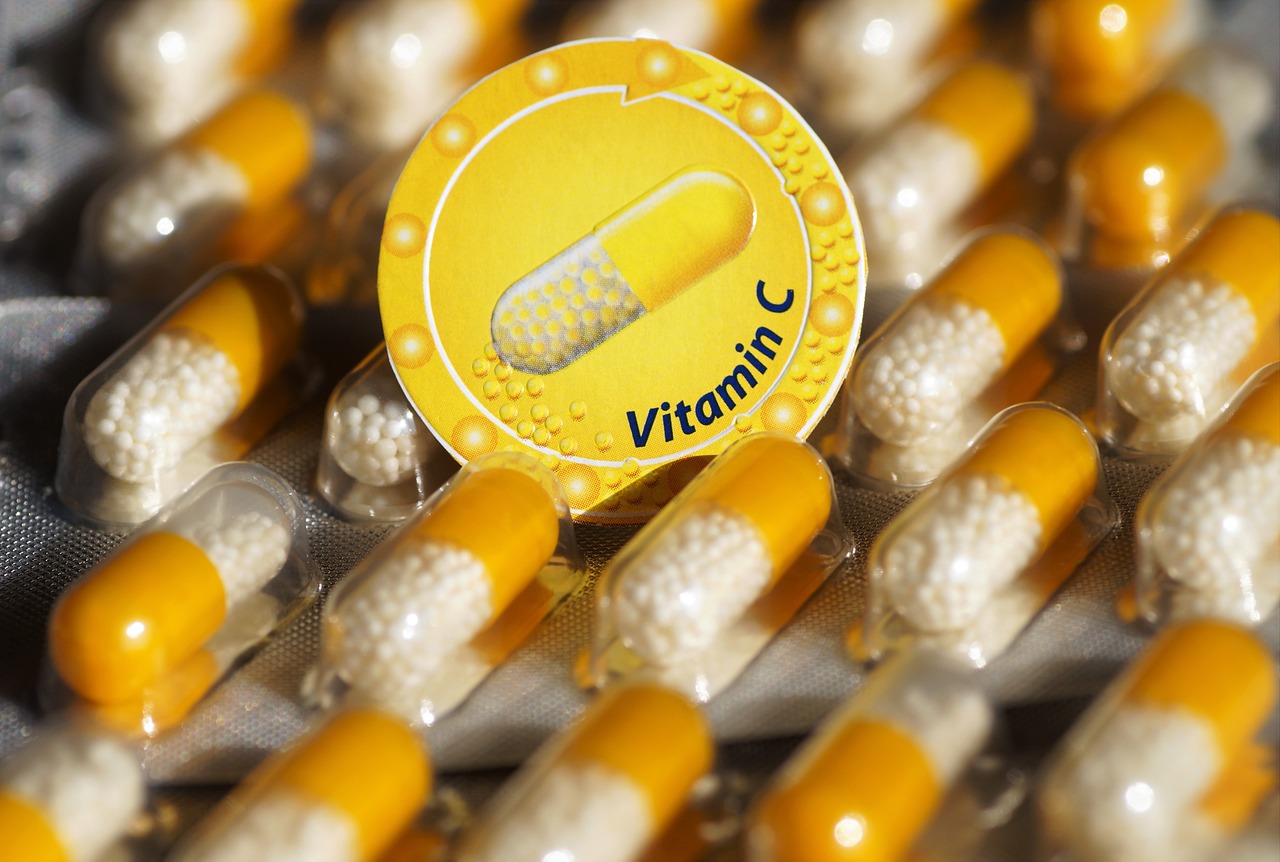

Can Vitamin C Supplements Help with Iron Absorption?
Iron is a crucial mineral, playing many essential roles in bodily functions, including oxygen transport. Yet, not everyone absorbs iron effectively, leading to dietary deficiencies. Vitamin C is recognized for its antioxidant properties and potential benefits for iron absorption, particularly in the body. When consumed alongside iron-rich foods, Vitamin C can enhance non-heme iron absorption, the type found in plant-based sources. This is especially important for vegetarians and vegans who may struggle to meet their iron needs. Dietitians assert that the citric acid in Vitamin C can convert ferric iron into a form that is easier for the body to absorb. Foods high in Vitamin C include citrus fruits, bell peppers, and several berries. Supplementing with Vitamin C may also be beneficial when eaten in conjunction with iron-rich meals. However, excessive intake of Vitamin C supplements can have adverse effects, including digestive issues. It’s essential to consult with a healthcare provider before starting any supplement regimen. Balancing iron intake with adequate levels of Vitamin C may help individuals optimize their health and prevent deficiencies, particularly in populations at risk of low iron status.
Vitamin C plays a significant role in enhancing iron absorption from dietary sources. Specifically, it can affect how iron is absorbed in the intestines and its bioavailability. Non-heme iron, the type found in plant foods, is less readily absorbed compared to heme iron from animal sources. Vitamin C helps convert iron into a more bioavailable form, making it easier for the body to utilize. In studies, combining Vitamin C with meals significantly improved iron absorption, indicating its synergistic effects. This is particularly relevant for individuals consuming a vegetarian or vegan diet, as they may rely heavily on non-heme iron sources. Consuming a glass of orange juice or eating strawberries alongside iron-rich foods could maximize the amount of iron absorbed in the body. Importantly, research suggests that while Vitamin C can enhance iron absorption, it does not replace the need for sufficient iron intake in the diet. Therefore, individuals should strive for a balanced diet rich in both iron and Vitamin C to improve overall nutrient absorption and maintain adequate iron levels. Moreover, the benefits of Vitamin C extend beyond iron absorption, supporting immune function and overall health.
Studies have demonstrated that individuals with low iron levels might benefit significantly from Vitamin C supplementation. This includes those suffering from iron deficiency anemia, a condition where the body lacks enough red blood cells due to insufficient iron. Many experts recommend that people struggling with absorption issues consider integrating Vitamin C into their diet. A typical recommendation might be to pair iron-rich meals directly with foods high in Vitamin C. For example, consuming lentils cooked with diced tomatoes can boost iron absorption when they are eaten together. Regular intake of Vitamin C supplements can provide the body with a more favorable environment to absorb iron more effectively, thus improving overall health. Moreover, some findings suggest that the higher the intake of Vitamin C, the more pronounced the effects on iron absorption. People with compromised gastrointestinal conditions or those who have undergone specific surgeries may also find Vitamin C supplements beneficial. However, it is critical for individuals to monitor their overall vitamin levels and consult with professionals when considering supplementation strategies for better nutrient absorption, ensuring a holistic approach to maintaining health.
Another important aspect to consider is the method of iron supplementation, as it can be impacted by the presence of Vitamin C. Iron supplements, often prescribed for those with anemia, sometimes fail to deliver the desired effects without adequate Vitamin C intake. In such cases, healthcare providers may suggest combining iron tablets with Vitamin C-rich beverages, like orange juice, to enhance efficacy. This combination could mitigate gastrointestinal side effects commonly associated with iron supplements. Additionally, the timing of Vitamin C intake can influence its effectiveness in promoting iron absorption. For best results, it’s advisable to consume Vitamin C and iron separately from foods or beverages that may inhibit iron absorption, like certain dairy products or teas. This strategy provides a well-rounded approach to improving iron levels in the body. While Vitamin C is important for iron absorption, its role is complementary to proper dietary practices. Therefore, individuals should tailor their diet and supplement intake according to their unique health needs. Always keep in mind that balance and moderation are keys to successfully managing nutrient levels.
Add Vitamin C-Rich Foods to Your Diet
Integrating Vitamin C-rich foods into your diet offers a natural method to enhance iron absorption. Consider incorporating fruits and vegetables that are high in Vitamin C, such as citrus fruits, kiwi, peppers, and broccoli. Alongside iron sources, these foods can be highly effective in optimizing nutrient uptake. Planning meals that include a variety of food groups is essential for maintaining a balanced diet. Take, for instance, a meal consisting of spinach salad topped with strawberries and nuts. The combination not only boosts iron intake but also provides a hearty dose of Vitamin C, maximizing overall nutrient absorption. Keeping an eye on meal combinations will directly influence how well your body utilizes each nutrient. Experimenting with culinary methods such as stir-frying can also help retain the nutrients in vegetables. Preparing dishes with colorful ingredients enhances both health benefits and visual appeal, promoting a positive eating experience. Remember that a diverse diet is critical for long-term health benefits. This practical approach also aids individuals in achieving their dietary preferences and needs while focusing on both iron and Vitamin C intake.
Vitamin C supplementation has gained considerable attention due to its potential benefits for iron absorption, especially among specific groups. For instance, pregnant women, children, and individuals with absorption disorders can particularly benefit from an increased intake of these nutrients. All of these groups often struggle to maintain optimal iron levels due to increased demands or limited absorption capabilities. As such, they are encouraged to monitor their iron and Vitamin C intake. The synergistic relationship between these two nutrients cannot be overstated, highlighting the importance of incorporating both into daily diets. As research continues, recommendations may evolve, potentially guiding better practices in supplementation and dietary intake for populations at risk of deficiency. Staying informed about the latest findings ensures that individuals make educated choices about their health. Furthermore, lifestyle factors such as stress, alcohol consumption, and smoking can influence nutrient absorption. Having awareness of these factors can help in developing personalized strategies to optimize iron and Vitamin C intake. Overall, seeking advice from healthcare professionals can provide tailored recommendations based on unique individual needs and dietary patterns.
Moreover, understanding the various forms of Vitamin C supplements can enhance one’s decision-making process. While many people lean towards synthetic forms, it’s essential to explore natural sources. Whole food-based supplements may provide additional nutrients and benefits beyond just Vitamin C, such as co-factors that aid in absorption. Some individuals might experience digestive discomfort from synthetic forms and might prefer natural alternatives. Additionally, higher doses of Vitamin C are often necessary for those trying to treat or prevent deficiencies, suggesting the need for informed choices. Hence, conducting thorough research or consulting with health professionals can assist individuals in selecting the most suitable supplements for their needs. Furthermore, sustainable sourcing for Vitamin C products is another consideration for environmentally-conscious consumers. As many brands focus on sustainability, aligning your values with your dietary supplement choices can enhance the overall health impact. Thus, the decision to use Vitamin C supplements should extend beyond just one’s health needs alone. Making thoughtful choices informed by personal values can lead toward more mindful consumption while optimizing nutrient balance.
Conclusion: The Importance of Balanced Nutrition
The relationship between Vitamin C and iron absorption underscores the significance of balanced nutrition. While Vitamin C plays a crucial role in enhancing non-heme iron absorption, it should not overshadow the need for adequate dietary iron. This holistic approach combines the importance of both nutrients while ensuring optimal health outcomes. Achieving the right balance may require meal preparation and awareness of food combinations, considering factors such as absorption inhibitors and enhancers. Regular monitoring of nutrient levels, especially for individuals at risk of anemia, is always recommended. Individuals are also encouraged to take an active role in their nutrition by seeking ways to ensure they are meeting their vitamin and mineral requirements for better health outcomes. Additionally, personalizing dietary choices based on health goals and preferences can greatly influence overall wellness. Whether through dietary changes, supplementing, or employing healthy eating strategies, individuals should strive for a well-rounded nutritional approach. In essence, understanding how Vitamin C works with iron can pave the way for enhanced absorption. Staying informed about nutrition science can contribute to empowered health decisions and promote a healthier lifestyle overall.