
Best Warm-Up and Cool-Down Routines for Kids’ Bootcamp Training
Engaging kids and teens in bootcamp training means ensuring they are properly warmed up and cooled down. Warm-up routines are crucial because they help prepare young athletes both physically and mentally for the upcoming activities. A good warm-up routine can include a mix of dynamic stretches and light exercises. For instance, kids can benefit from high knees, butt kicks, and arm circles. These movements enhance blood circulation and increase flexibility, reducing the risk of injury as they engage in more intense workouts. Starting with 5-10 minutes of these activities helps in activating their muscles. Further, integrating fun elements, like a relay race, can make the warm-up enjoyable and engaging for the participants. Also, focusing on breathing techniques during warm-ups can aid in centering the mind and body, preparing them for better performance. The importance of this step cannot be overstated; it’s about laying a solid foundation for successful training sessions. Therefore, teachers and parents must emphasize warm-up activities to develop healthy training habits in younger generations.
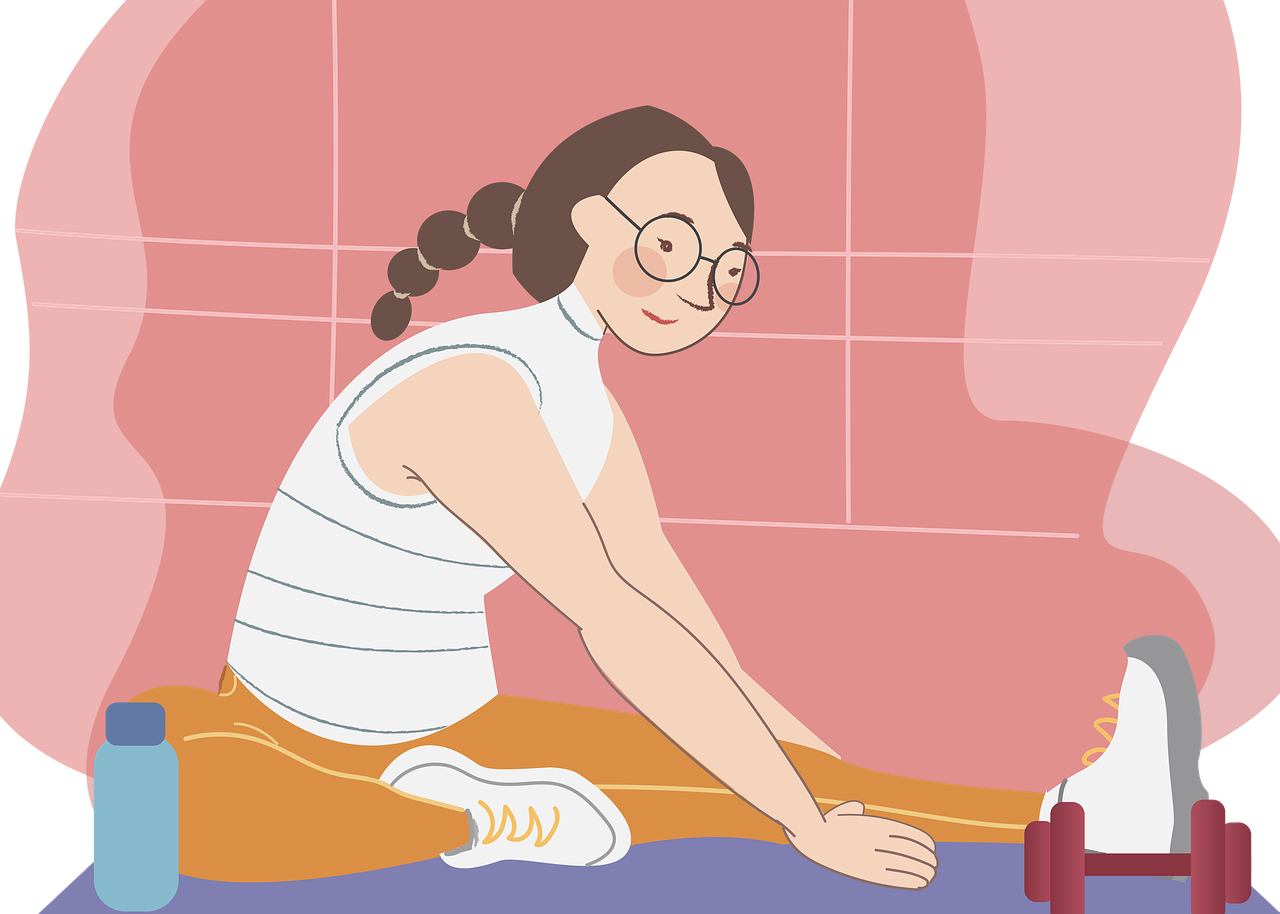
Once the warm-up is complete, it’s time to focus on cool-down routines, which are equally important. Just as preparing the body is vital before exercise, allowing it to recover afterward plays a significant role in athletic performance, especially for kids. Cool-down routines can consist of static stretches that keep flexibility at a premium. Incorporating stretches for major muscle groups, such as hamstrings, quadriceps, and shoulders, can markedly assist in alleviating muscle tension. A simple approach is to guide children through a routine that includes seated toe touches and cross-arm stretches. These exercises promote relaxation, helping kids wind down both physically and mentally. It’s beneficial to spend at least 5-10 minutes on these cool-downs post-activity. Discussing with the kids how they feel after cool-down can help them tune into their bodies. Additionally, parents and staff can emphasize hydration and proper nutrition after training, which further aids muscle recovery. In essence, balanced warm-up and cool-down routines ensure that children not only perform better during boot camp but also maintain a positive attitude toward fitness and health.
Structuring Effective Warm-Up Activities
Creating an effective structure for warm-up activities ensures that kids are adequately prepared for rigorous bootcamp training. One effective method begins with a simple introduction to movement-based games. Games like tag or duck-duck-goose can elevate heart rates while engaging kids in fun. After about 5 minutes of active play, transition into dynamic stretching exercises. These include lunges with a twist, arm swings, and leg swings that mimic movements they’ll perform during training. The idea is to activate muscle groups gradually, leading up to more intensive activity levels. Ensuring that each participant understands the goals of the warm-up can heighten their motivation. Developing teamwork aspects during these routines—like performing partner stretches—can enhance social interactions among the participants. Furthermore, incorporating fun music can uplift the atmosphere, making the warm-up feel less like a chore and more like an experience. This can be a crucial engagement tool, showing how wellness activities can be enjoyable and beneficial simultaneously. A structured and engaging warm-up routine builds anticipation for the training ahead and sets a positive tone for the entire session.
In addition to structure, it’s vital to address the variety in warm-up activities tailored to different groups of children. For instance, younger kids may need simpler, more playful warm-ups involving basic movements and games, ensuring they experience the joy of exercise. Older teens may prefer more structured and straightforward routines designed to enhance performance, integrating sport-specific movements that reflect the nature of their training. Furthermore, including feedback from the participants can help in crafting routines that everyone enjoys and feels confident in. Once identified, these activities can be rotated weekly to maintain interest. Another useful approach is themed warm-up days, like superhero stretches, where children imitate their favorite characters. This element can spark creativity while allowing kids to feel empowered. Ultimately, the objective is to create a warm-up culture promoting positivity and energy that comes from collective participation. In this way, warm-ups set a fun, enthusiastic tone for what’s to follow while ensuring that children understand the importance of preparation.
Cooling Down with Purpose
Transitioning from intense activities to effective cool-down routines requires intentionality and focus. A cooling down routine is not simply a break; it is a crucial part of the training cycle that helps the body and mind recover from exertion. After an engaging bootcamp session, guide the kids through a series of static stretches that target every major muscle group used during the workout. This can include the classic butterfly stretch, quadriceps stretch, and seated forward bend. Utilize fun challenges where kids hold stretches as a team to foster camaraderie and cooperation. Encourage each child to focus on their breathing while holding their stretches, emphasizing relaxation and mindfulness after the high-energy training. Keeping the kids engaged with fun discussions about their favorite parts of the training during cool-down can enhance their experience and help them process their feelings. Additionally, hydration should be encouraged as kids cool down; pairing water breaks with gentle stretches reinforces the importance of hydration during and after physical activity. This integration can lead to healthier practices as they develop their fitness habits.
An essential component of effective cool-down routines also involves a reflection phase where kids can share their experiences and how they felt during the exercises. Facilitators can prompt discussions, asking questions such as, “What was your favorite exercise today? Why?” This reflection promotes self-awareness and reinforces the achievements gained from physical activity. Sharing amongst peers can create a supportive environment and develop social bonds that make kids eager to return. Incorporating motivational quotes or short anecdotes about perseverance and physical strength can serve to inspire. Additionally, cool-down routines should integrate relaxation techniques, including deep breathing exercises. These techniques can help manage stress levels and establish healthy emotional habits, nurturing not only physical conditioning but mental wellness as well. Ultimately, the goal of cooling down goes beyond merely returning to resting states; it’s about empowering children with self-awareness and appreciative reflections, ensuring they understand the importance of caring for their bodies after exertion. Cushioned by an encouraging environment, these practices can last a lifetime.
Encouraging Lifelong Fitness Habits
The routines established during warm-up and cool-down sessions are meant to develop lifelong fitness habits. It’s important to instill an understanding in kids that both preparation and recovery contribute to overall performance. By consistently promoting these routines during bootcamp training, children begin to recognize their importance in their fitness journey. Encourage parents and guardians to continue these practices at home. Simple routines can be performed as enjoyable family activities, fostering stronger family ties and collaborative fitness experiences. Schools can also facilitate workshops on warm-ups and cool-downs, emphasizing their benefits for health and athletic performance. Engaging in discussions about how muscle health contributes to everyday activities can motivate kids not only to practice but to internalize these habits. Furthermore, implementing fun challenges such as “stretch-of-the-week” can instill excitement, encouraging them to share their new learning with others. Over time, these warm-up and cool-down sessions can transform into moments of joy and community bonding, ensuring a comprehensive approach to fitness. Ultimately, the keys to fostering healthy lifestyles are initiated through these fundamental practices.
In conclusion, the significance of effectively integrating warm-up and cool-down routines in kids’ bootcamp training cannot be overstated. These practices contribute significantly to injury prevention, improve athletic performance, and foster positive relationships with fitness. Engaging children through fun and structured routines sets the stage for an enjoyable approach to physical activity, transforming workouts from chores into delightful experiences. By cultivating a culture that values preparation and reflection, young athletes develop healthy habits that extend beyond the training environment. Parents, coaches, and school staff must collaborate to create well-rounded approaches that encourage flexibility and adaptability to meet the individual needs of participants. Ultimately, the aim is not merely to work out but to love movement, joy, and camaraderie. As bootcamp training evolves, so should the methods we employ to prepare and cool down our young athletes. Enriching their experiences in these early stages can shape their attitudes towards fitness and healthy living for a lifetime, ensuring they grow into well-rounded individuals who cherish their health and an active lifestyle.