
Using Pilates to Correct Core Muscle Imbalances
Core strengthening is essential for anyone looking to enhance physical performance and overall health. One of the most effective methods to achieve this is through Pilates. Pilates focuses on improving flexibility, strength, and balance by engaging the core muscles. Core muscles include not just the abs but also the deeper stabilizing muscles of the spine, hips, and pelvis. When there is an imbalance in these muscles, it can lead to discomfort, injuries, or decreased performance. Therefore, addressing these imbalances is crucial. Throughout this article, we will explore how Pilates can help rectify these issues and ensure a stronger, more balanced core. Incorporating specific Pilates exercises designed to target and strengthen weak areas is essential. Consistency in practicing these movements can yield significant benefits, such as improved posture and stability. In addition, regular Pilates workouts help enhance overall body awareness, which is vital for correcting any imbalances. Learning how to engage and isolate these core muscles not only improves posture but also contributes to effective movements across various athletic activities.
The Importance of Core Stability
Stability stems from balanced coordination between various muscle groups, particularly the core. Core stability is foundational for every physical activity we engage in, from daily chores to sports. When the core functions harmoniously, it enhances agility, balance, and overall athletic performance. Pilates emphasizes the importance of core stability through controlled movements and focused breathing techniques. By engaging in Pilates training, the likelihood of sustaining injuries is significantly reduced as core strength supports body mechanics. A strong core can also alleviate lower back pain, which affects many individuals due to poor posture and muscle imbalances. Regularly practicing Pilates not only strengthens core muscles but also encourages proper alignment, critical for maintaining an efficient biomechanical structure. This will help in athletic endeavors and daily activities, making movements smoother and more efficient. When core stability is achieved through Pilates exercises, it’s easier to perform even the most complex movements. Therefore, incorporating Pilates into your fitness routine is an effective strategy for not only enhancing overall fitness but also creating a solid foundation for future physical activities.
One of the key benefits of Pilates is its emphasis on controlled movements that target specific muscle groups, particularly those that stabilizes the core. Exercises such as the *Hundred*, *Plank*, and *Teaser* are particularly useful in addressing core muscle imbalances. The Hundred, for instance, strengthens the abdominal muscles while activating the diaphragm, which facilitates breath control and overall stability. The Plank primarily focuses on the deep stabilizing muscles of the core, fostering both endurance and strength simultaneously. Finally, the Teaser challenges balance and coordination while engaging almost every muscle in the core. Incorporating these exercises into a routine not only builds strength but also enhances flexibility. Along with focusing on strength, Pilates encourages mindfulness, which is essential for ensuring you engage the appropriate muscles during each movement. This helps individuals develop better body awareness, allowing them to correct imbalances consciously, leading to lasting improvements. Thus, regular practice of these specific Pilates exercises can be a powerful tool in ensuring core strength, ultimately translating into improved performance in other physical activities.
Common Core Imbalances and Their Effects
Core muscle imbalances can stem from numerous factors, such as sedentary lifestyles, repetitive movements, or incorrect posture. These imbalances can result in weaknesses or tightening in certain muscle groups, which leads to compensatory patterns affecting overall movement quality. For example, tighter hip flexors or weak glutes can impact lower back health and alignment during both exercise and daily activities. Common signs of core imbalances include discomfort in the lower back, poor posture, and decreased performance in activities requiring strength or stability. Importantly, addressing these imbalances through Pilates can help restore balance and function in the body. Individuals must focus on strengthening the weak muscles while simultaneously stretching and lengthening the tight ones. Pilates offers a comprehensive approach to this with its repertoire of exercises targeting specific muscle groups while maintaining core stability. By incorporating movements tailored to individual needs into each session, improvement can be achieved gradually and sustainably. Thus, understanding and recognizing these core imbalances is the first step toward appropriately using Pilates to enhance strength and performance.
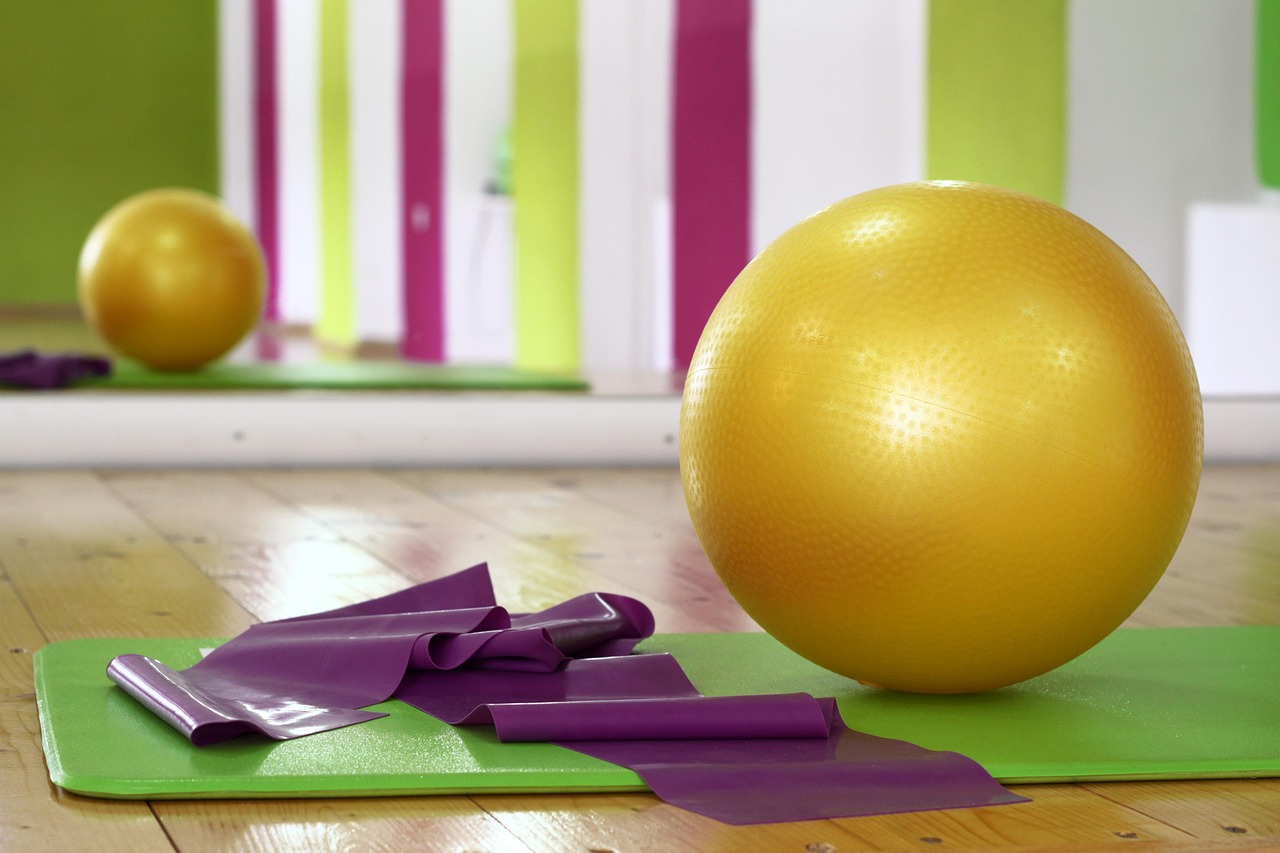
When addressing muscle imbalances through Pilates, it is crucial to follow a systematic approach that focuses on strength and flexibility. Initiating a Pilates routine often begins with an assessment to identify specific areas of weakness or tightness. After this evaluation, a personalized program can be developed. This program typically consists of a blend of foundational Pilates exercises and modifications. These will cater to individual needs, ensuring appropriate attention to various muscle groups while enhancing core activation. Meticulously following proper alignment during each exercise is vital for preventing injury. Each movement should be performed mindfully, focusing on engaging the core while maintaining alignment throughout the body. This includes awareness of shoulder placement, pelvic alignment, and engaging the lower back to support the spine. Gradually increasing the intensity and complexity of exercises will challenge the core further, promoting continued improvement. As the practice develops, practitioners may also introduce props such as resistance bands or stability balls to increase the challenge. Such props enhance engagement with core muscles and contribute to correcting imbalances more effectively.
Developing a Balanced Pilates Routine
A balanced Pilates routine should incorporate various exercises focusing on different aspects of core strength and stability. Individuals must dedicate time to work on both stabilization and dynamic movement, which ensures comprehensive core development. For example, integrating exercises like *Saw* and *Single Leg Stretch* can build flexibility while promoting strength in the oblique muscles. Other effective exercises include the *Bridge*, which activates the glutes and hamstrings while ensuring the core remains engaged. It’s also beneficial to include *Roll Up*, which enhances spinal flexibility and strengthens the abdominal wall. As the routine progresses, incorporating more challenging exercises, such as *Side Plank* or *Pilates Push Up*, will further develop core endurance and strength. Consistency is key; ideally, practicing Pilates at least three times a week can yield significant results in addressing core imbalances. Additionally, incorporating mindfulness into the practice can enhance body awareness, allowing for better control of movements. Practitioners should listen to their bodies, adjusting exercises as necessary based on their unique needs. This focus will ensure a personalized approach to achieving optimal core strength.
In conclusion, Pilates offers a unique and effective approach to correcting core muscle imbalances. By focusing on strengthening weak areas and increasing the flexibility of tighter muscle groups, one can achieve a balanced physique. Regular practice will not only enhance overall strength but also boost performance in various physical activities. Combining mindfulness and body awareness throughout the practice helps individuals develop a deeper connection with their bodies, ultimately improving movement quality. Understanding the importance of engaging the core in all activities can lead to better biomechanics and reduced injury risk. Through dedicated sessions featuring tailored exercises, remarkable improvements can be noticed over time. Moreover, integrating Pilates into a broader fitness regimen will support not only core stability but overall well-being. Whether you are an athlete seeking performance enhancement or someone aiming to improve daily function and comfort, Pilates can be the key to unlocking full potential. Start your journey towards a stronger core today, and enjoy the numerous physical and mental benefits Pilates has to offer.