
Top 5 Weightlifting Exercises for Women
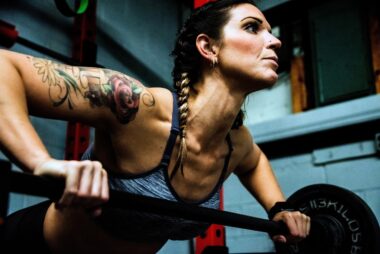
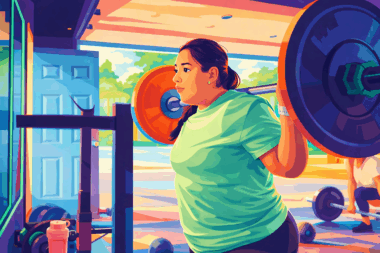
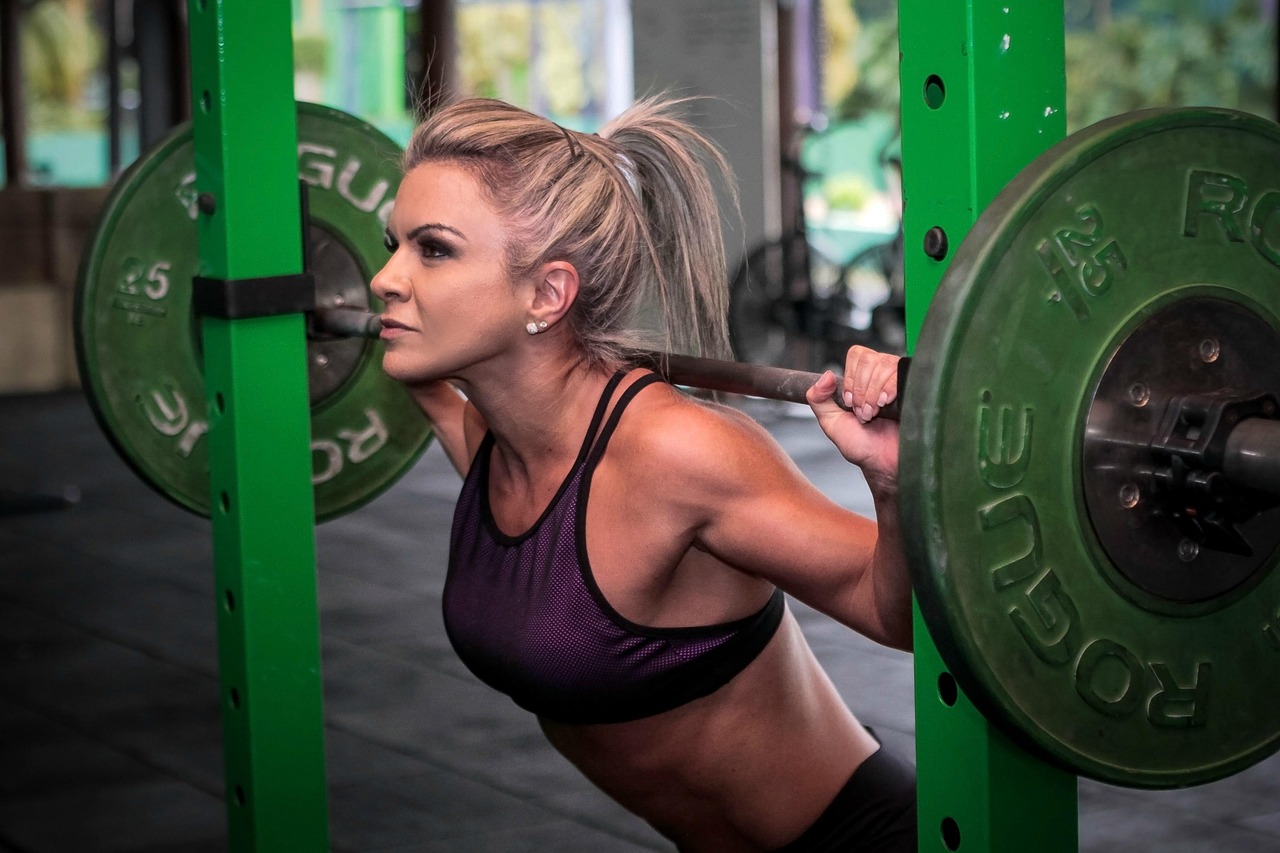
Weightlifting can be incredibly empowering for women, providing both physical and mental benefits. Not only does strength training enhance muscle mass, but it also boosts metabolism and improves overall health. The first exercise we recommend is the barbell squat, which targets the thighs, glutes, and core. To perform this correctly, stand with your feet shoulder-width apart, holding a barbell across your upper back. As you lower your body, keep your chest up and your knees over your toes, then drive through your heels to return to standing. Second, the deadlift works to engage your entire posterior chain, including the back, glutes, and hamstrings. Incorporating this powerful move into your routine can significantly enhance your strength and functional capabilities. Additionally, consider the bent-over row, which will help improve upper body strength while targeting the back muscles. With proper form, this exercise prevents injuries by building a strong foundation. Stay consistent and you will witness significant progress over time as strength training becomes a regular part of your life.
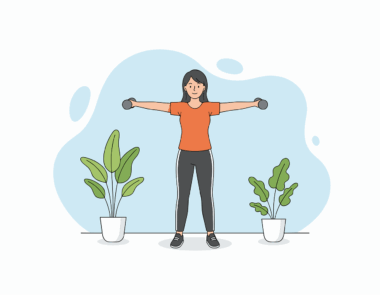
Another excellent exercise is the overhead press, which is fantastic for developing shoulder and arm strength. To perform it properly, start by standing upright with your feet hip-width apart, holding a barbell or dumbbells at shoulder height. Make sure to engage your core and avoid leaning back as you lift the weights overhead until your arms are fully extended. Slowly lower the weights back to the starting position. This will not only build muscle but improve your overall stability. Lastly, the lunge is versatile and effective. Lunges can be executed in various forms such as stationary, walking, or lateral lunges, to target different muscle groups, primarily the legs and glutes. Focus on maintaining proper alignment by keeping your front knee directly above your ankle during the movement. As your strength develops, you can add weights to increase intensity. By incorporating these five essential exercises into your workout routine, you will build strength, confidence, and resilience while breaking stereotypes associated with women and weightlifting.
Getting Started with Weightlifting for Women
If you are new to weightlifting, it is important to start with lighter weights and prioritize form over weight. This will help prevent injuries and ensure that you are effectively engaging the right muscles. Consider onboarding with a trainer or following a guided program specifically for women, as they often consider unique anatomical differences and common concerns. To kick off your weightlifting journey, begin with 2-3 sessions per week, gradually increasing the frequency and intensity as you grow comfortable. Keep track of your weights, sets, and repetitions to track progress. Also, remember to incorporate rest days to allow your muscles to recover and grow stronger. Nutrition plays a pivotal role in supporting your weightlifting goals. Pair your strength training with a balanced diet rich in protein, complex carbohydrates, and healthy fats to fuel your workouts. Aim for at least 1 gram of protein per pound of body weight, particularly after workouts, to aid muscle recovery. Additionally, staying hydrated is essential for overall health and performance. Work towards drinking enough water throughout the day.
In conjunction with your dietary habits, setting realistic goals ensures that you remain motivated and focused on progress. Short-term goals can range from increasing your weights to maximizing repetitions, while long-term goals may involve completing specific events, gaining a set number of pounds in muscle, or perfecting your form for various lifts. Tracking your improvements and celebrating small wins will help keep your morale high. Furthermore, combining weightlifting with diverse fitness activities can enhance your overall regimen. Engaging in cardio exercises such as running, cycling, or swimming provides essential cardiovascular benefits, rounding out your fitness routine. Many women find that participating in group classes or personal training sessions improves motivation and accountability. Find a community or workout partner that shares your passion—this will not only help you stay committed but also make exercising more enjoyable. Research shows that lifting weights together fosters bonding and support, generating an empowering atmosphere. Overall, as you embark on this weightlifting journey, encompass a well-rounded approach focusing on strength training, recovery, and nutrition.
Embracing the Weightlifting Mindset
As you continue to engage with weightlifting, cultivating a positive and confident mindset is vital. Numerous women find themselves grappling with self-doubt and societal pressures, which can hinder their progress. Surrounding yourself with encouraging peers, supportive trainers, and engaging in online communities can combat these feelings. Additionally, practicing positive affirmations and visualizing your success can help reinforce your self-esteem and belief in your capabilities. Moreover, remember that building strength takes time and consistency—the more you lift, the stronger you become, both physically and mentally. Focus on embracing the journey, celebrating each milestone along the way, and acknowledging the hard work you put in. Document your experiences, thoughts, and feelings throughout your path; this can include journaling or even sharing your journey through social media platforms. As you progress, pairing your newfound strength with functional movements in daily life showcases the true impact of your training. From carrying groceries to performing household chores, strength training dynamically enhances your everyday experiences.
Lastly, keep in mind that form and safety are paramount during weightlifting. Prioritize learning the correct technique for each exercise, because improper form can lead to injuries and discomfort. Consider starting with bodyweight exercises or using lighter weights to master the motions before progressing. Watching instructional videos or working with trainers can clarify any uncertainties about your form. Gradually, you will begin to develop muscle memory that will make executing these movements more automatic. Balancing weightlifting with rest and recovery allows your muscles to rejuvenate and grow, which is just as critical as the workout itself. Explore activities like foam rolling, stretching, or yoga to enhance flexibility and relieve muscle soreness. This holistic approach will contribute to increasing your overall strength. Many women discover that lifting weights not only benefits their physical health but also positively influences their mental well-being. Increased confidence, improved mood, and reduced stress are common outcomes of regular weightlifting. Most importantly, enjoy the process, stay committed, and embrace the power that comes with being a strong and empowered woman.
Conclusion
Overall, integrating weightlifting into a fitness plan tailored towards women can yield transformative results. The top five recommended exercises—barbell squats, deadlifts, bent-over rows, overhead presses, and lunges—form a solid foundation for strength training. Remember to prioritize proper form, engage in a balanced diet, and maintain realistic goals throughout your journey. Never underestimate the significance of mental well-being while lifting weights, as positive affirmations and support systems foster an empowering atmosphere to flourish in. Furthermore, respecting recovery times and investing in flexibility and mobility routines will enhance your weightlifting experience. Progress comes in many forms, so acknowledge each small victory and remain adaptable to the journey ahead. Whether you are an experienced lifter or just beginning, adapting these tips will help you take your weightlifting regimen to new heights. Witnessing improvements in strength and confidence can inspire others to take on the challenge. Conclusively, weightlifting is not only about building muscle: it’s about empowering women, cultivating strength, and promoting well-rounded health. So, lift those weights and embrace your powerful journey!
Finally, celebrating your achievements, whether big or small, contributes to a positive mindset and reinforces dedication to progress. Join communities, listen to inspiring podcasts, review literature on women’s strength training, and share your knowledge. Doing so can create global connections, emphasizing the power of women lifting weights and dispelling myths. Take this knowledge back to your sessions, encouraging others to step into the arena, to unleash their potential. Consistently developing your skills, adjusting your program based on your body’s needs, and maintaining awareness of your mental state will lead to long-lasting success. Reflect upon your growth and be proud of fortifying your mind and body. Acknowledge that each weight lifted translates into resilience and empowerment for yourself and others. Always see weightlifting as a symbol of self-growth and strength. The journey may be challenging, but every minute spent training contributes to becoming a stronger version of yourself. Dive into the world of weightlifting, and let it inspire not just your fitness but also transformation in all areas of your life. Visit local classes, follow fitness pages online, and inspire other women to lift and thrive, creating a vibrant community.