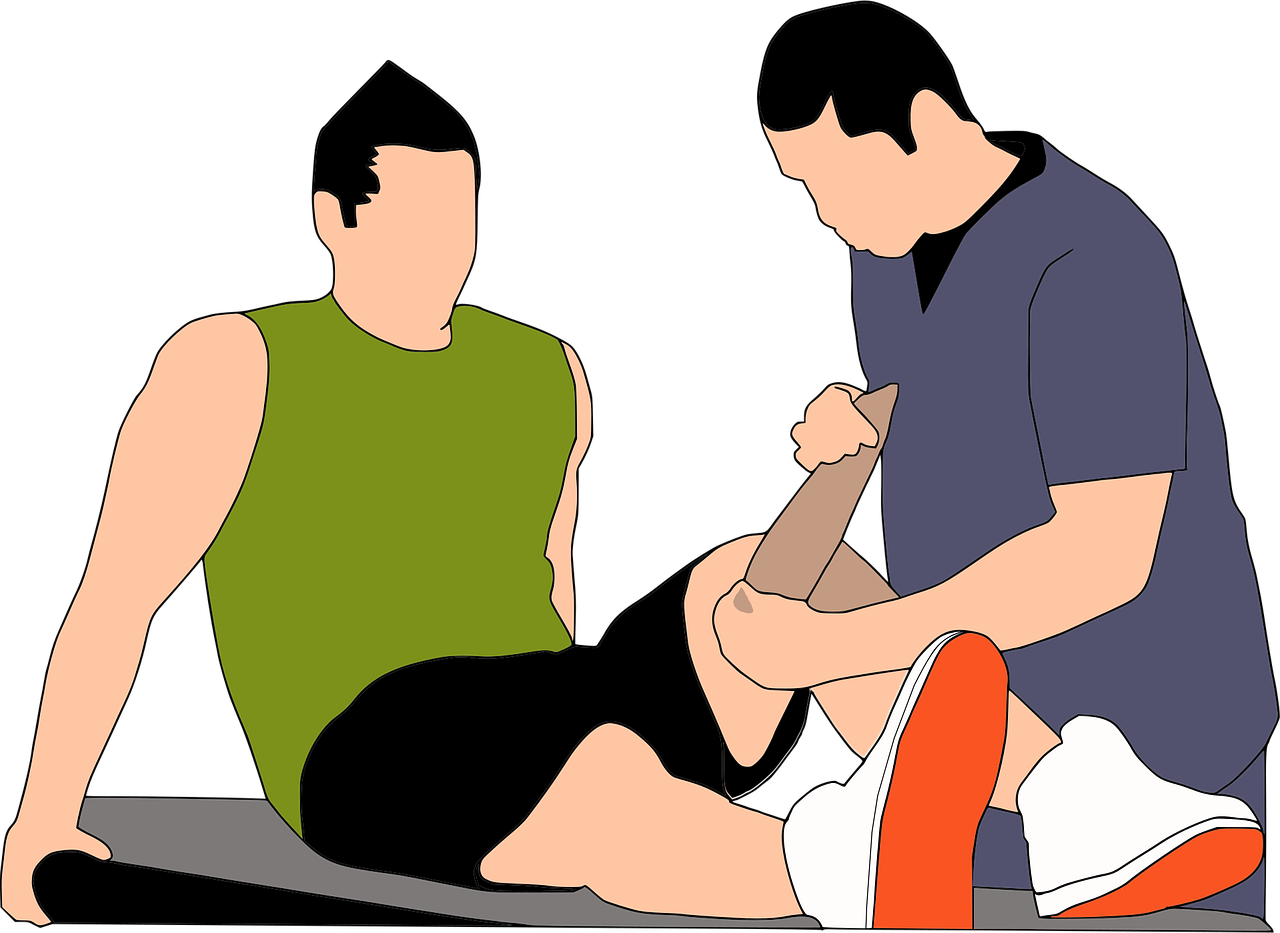

The Pros and Cons of Using CBD for Sports Injury Pain Management
Sports injuries can vary significantly, resulting in muscle strains, joint issues, and more. The management of pain and inflammation is crucial during recovery. Many athletes are turning to CBD, or cannabidiol, a natural compound derived from the cannabis plant. CBD has been researched for its potential in pain relief and reducing inflammation. However, it is essential to consider both pros and cons. On the positive side, CBD is a natural alternative compared to conventional pain medications, which can lead to unwanted side effects. Furthermore, CBD interacts with the body’s endocannabinoid system, potentially providing relief from conditions such as chronic pain and inflammation. Additionally, many find CBD soothing for stress and anxiety, which may occur during the recovery phase. These benefits make CBD an attractive option for athletes looking for alternatives. Nonetheless, some drawbacks exist, including the lack of extensive research on long-term effects and appropriate dosage. It’s vital for athletes to consult healthcare professionals before starting any CBD supplement for managing pain. Understanding individual health needs ensures safe use and optimizes recovery outcomes for injured athletes.
While CBD has become popular among sports enthusiasts and professionals, there remains a gap in knowledge about its effects. Limited research means that not all users will experience the same benefits. Dosage varies greatly among individuals, making it challenging to establish a universal recommendation. Moreover, the market for CBD products lacks stringent regulations, leading to discrepancies in product quality. Some products may not contain the advertised levels of CBD or may include harmful additives. Consequently, athletes must exercise caution by researching and selecting reputable brands. A good guideline is to choose products that provide third-party testing. This ensures transparency in ingredients and potency, helping safeguard user health. Furthermore, athletes must consider the legality of CBD in their respective sports organizations. Some governing bodies have strict rules regarding CBD use, and athletes may face penalties if found in violation. Despite its potential advantages, understanding the legal landscape is crucial for athletes aiming to avoid complications. Moreover, having a conversation with a healthcare provider will help assess whether CBD can be a beneficial addition to their recovery regime, ensuring an informed decision for better outcomes in healing and performance.
Understanding CBD’s Mechanism of Action
Cannabidiol, or CBD, interacts with the body’s endocannabinoid system, which plays a vital role in regulating various physiological processes. This system is involved in pain perception, immune system responses, and stress regulation, among other functions. By binding to cannabinoid receptors, CBD may help modulate pain responses and inflammation. It is believed to inhibit the reuptake of neurotransmitters like anandamide, which can enhance feelings of well-being and potentially reduce pain sensations. This mechanism might explain why athletes seek its help for recovering from injuries. Furthermore, CBD is non-psychoactive, meaning it does not produce the high associated with THC, another compound found in cannabis. This characteristic makes CBD appealing for individuals who want to avoid impairments while managing discomfort. Nevertheless, more research is needed to fully understand how CBD interacts with our bodies to derive effective therapeutic protocols. Additionally, consulting healthcare professionals knowledgeable about CBD can provide valuable insights. Tailored advice will help optimize use while addressing potential concerns, allowing athletes to navigate pain management more effectively during their recovery journey.
Many athletes have reported positive experiences while using CBD for sports-related injuries. They claim an improved ability to manage pain and reduce the duration of their recovery periods. Anecdotal evidence has fueled interest, but scientific studies are still catching up. Some studies indicate that CBD may significantly lower inflammation, which is a crucial factor in wound healing. This finding is particularly compelling for athletes who deal with repetitive trauma or chronic pain from intense physical activity. Moreover, CBD could alleviate anxiety related to the pressure of competition, allowing athletes to focus on their performance rather than their pain. However, results can be subjective, meaning personal experiences will vary widely. Therefore, it’s essential for users to monitor how their bodies react to CBD over time. Keeping a journal may aid in tracking improvements and making necessary adjustments. While CBD’s benefits are promising, athletes should approach supplementation cautiously, weighing personal experiences against existing research. They must remain informed and adaptive, ensuring they are choosing the best path for their recovery journey. This proactive approach encourages optimal performance and reduces the likelihood of re-injury during the healing process.
Potential Side Effects and Considerations
Despite its many benefits, CBD is not without potential side effects, which may pose challenges for some users. While generally well-tolerated, some individuals report experiencing sleep disturbances, dry mouth, and changes in appetite. Understanding these side effects is crucial for athletes seeking effective pain relief. Additionally, CBD can interact with other medications, including blood thinners, which may cause adverse reactions. Therefore, consulting with healthcare professionals before introducing CBD to an ongoing treatment plan is necessary. This conversation can identify any possible contraindications to avoid complications. Furthermore, athletes should be aware of the importance of sourcing high-quality CBD products. Not all CBD is created equal, and many products lack adequate quality control. Selecting brands that prioritize transparency can help alleviate concerns regarding purity and dosage accuracy. Reading customer reviews and product testing information can guide consumers in making informed purchases. Ultimately, while CBD presents valuable options for managing sports injuries, thorough research and professional guidance should guide usage decisions. This careful approach protects athlete health while maximizing the potential benefits of CBD supplements in recovery.
Injuries can often prevent athletes from engaging in their favorite sports, leading to frustration and disappointment. Pursuing effective recovery methods is vital for maintaining motivation and ensuring optimal performance upon return. CBD has emerged as a promising alternative to traditional pain relief for many athletes. By offering natural anti-inflammatory effects, CBD appeals to athletes looking for holistic solutions. Additionally, its versatility provides options in various forms, including oils, capsules, and topical creams. This allows users to choose a method that best aligns with their preferences and lifestyles. Furthermore, as more athletes advocate for CBD use, conversations surrounding its benefits continue to evolve. Sharing success stories encourages others to explore this option for pain management. However, it’s crucial to still prioritize individualized treatment strategies while incorporating CBD. Personalizing the approach to recovery can yield the best outcomes. Tailored treatment plans that consider various factors, such as injury type and personal reactions to CBD, can enhance efficiency. The ultimate goal should always remain focused on returning to peak performance while preserving overall health and well-being throughout the recovery process. Achieving this balance is key to supporting athletes in their journeys.
Final Thoughts on CBD in Sports Recovery
In summary, CBD shows considerable promise for pain management in the context of sports injury recovery. Though its popularity is increasing, it is vital to recognize the ongoing research and limitations surrounding its efficacy. Gaining a comprehensive understanding of both the benefits and potential risks can empower athletes to make informed choices. Each individual’s response to CBD can differ, indicating a need for personalized approaches during recovery. Ensuring a dialogue with healthcare providers can facilitate a safe and effective treatment plan, maximizing the potential therapeutic benefits of CBD. Moreover, athletes should remain aware of the legality and regulations pertaining to CBD use within their respective sports organizations. Adhering to these guidelines is essential to avoid complications, ensuring athletes can focus on recovery and performance. The evolution of CBD research will ultimately shape its role in sports recovery, with the potential for new insights aiding athletes in managing pain naturally. By staying informed and adaptive, athletes can confidently navigate the complexities of injury recovery, harnessing the benefits of this natural compound while prioritizing overall health.